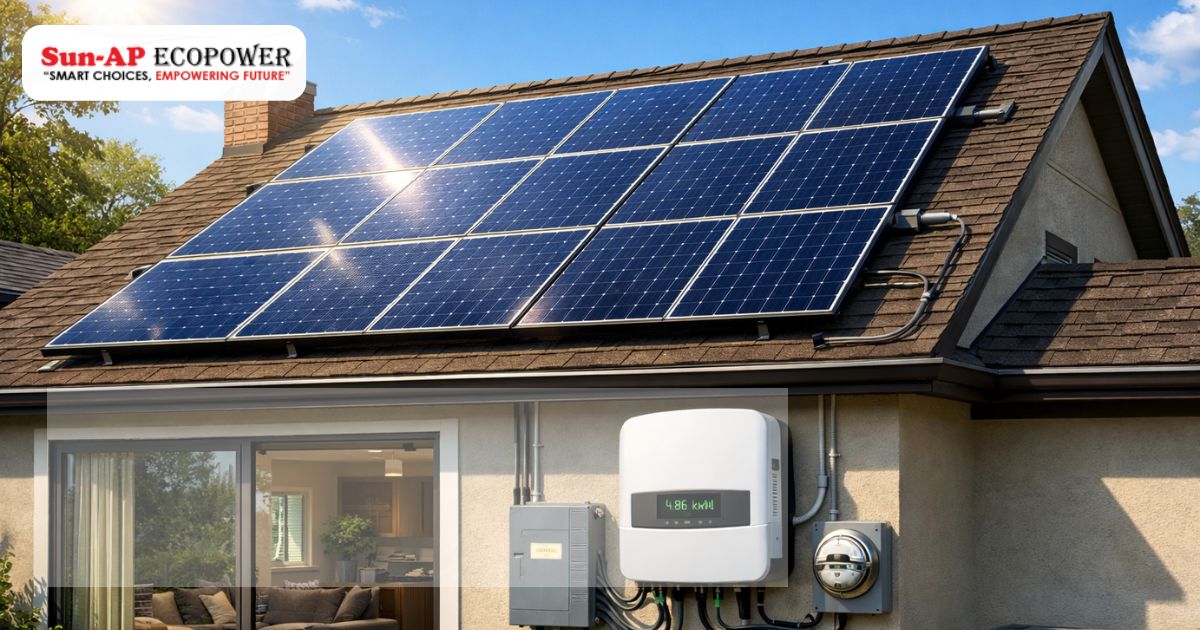
What Happens If You Do Not Use a Solar Inverter at Home?
Okay, here’s a fun experiment. Imagine you’ve just installed brand-new solar panels on your roof. The sun is blazing. Your panels are doing their job

Okay, here’s a fun experiment. Imagine you’ve just installed brand-new solar panels on your roof. The sun is blazing. Your panels are doing their job
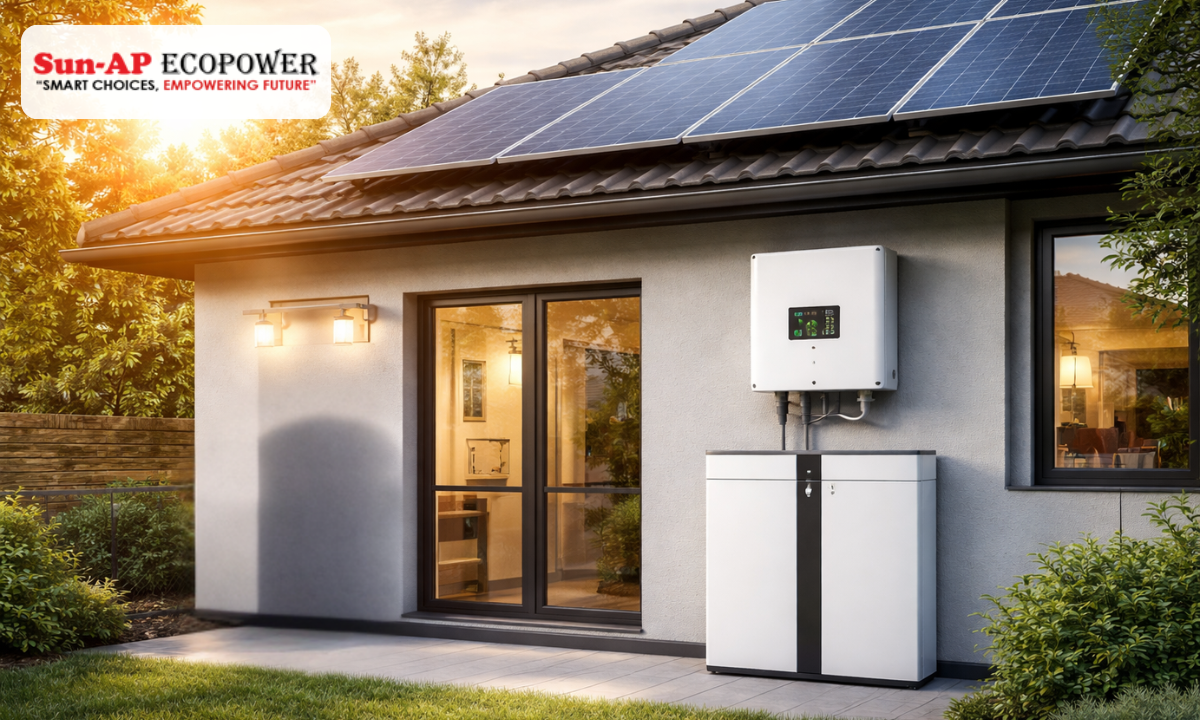
Let me set the scene. It’s a stormy Tuesday evening. The power grid goes down across your neighborhood. Your neighbor’s house plunges into darkness. Down
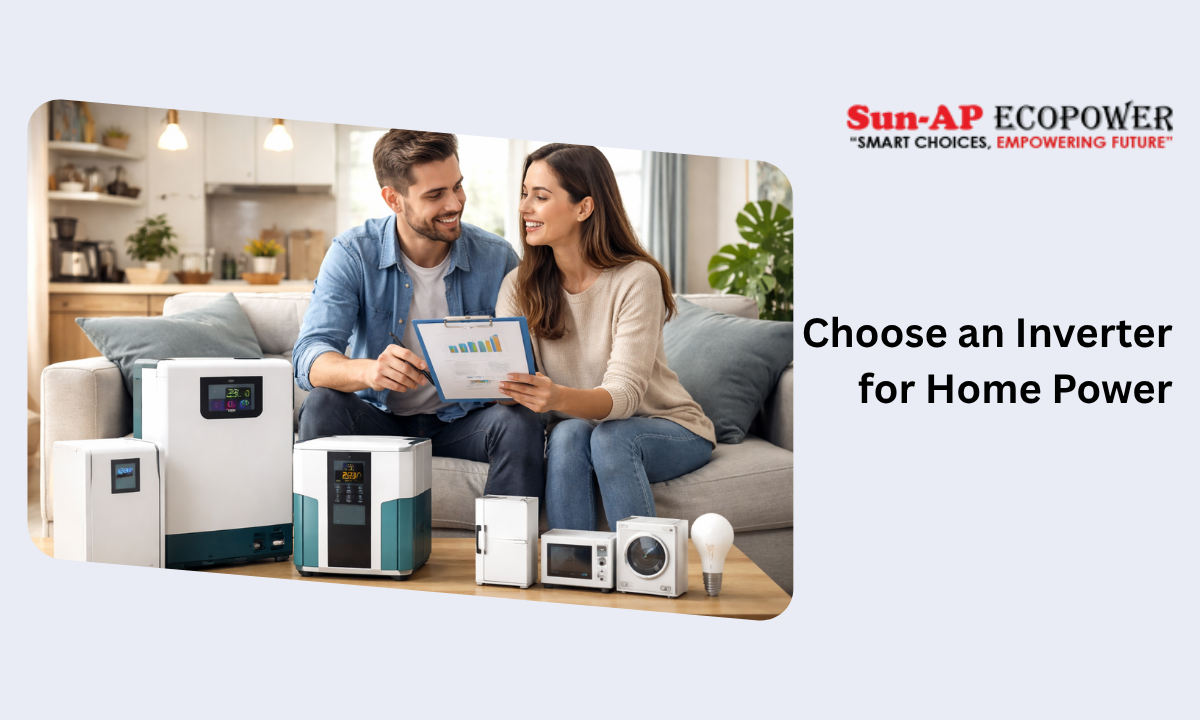
Alright, let’s talk about the question that could save you thousands of rupees—or cost you thousands if you get it wrong. You’re about to invest
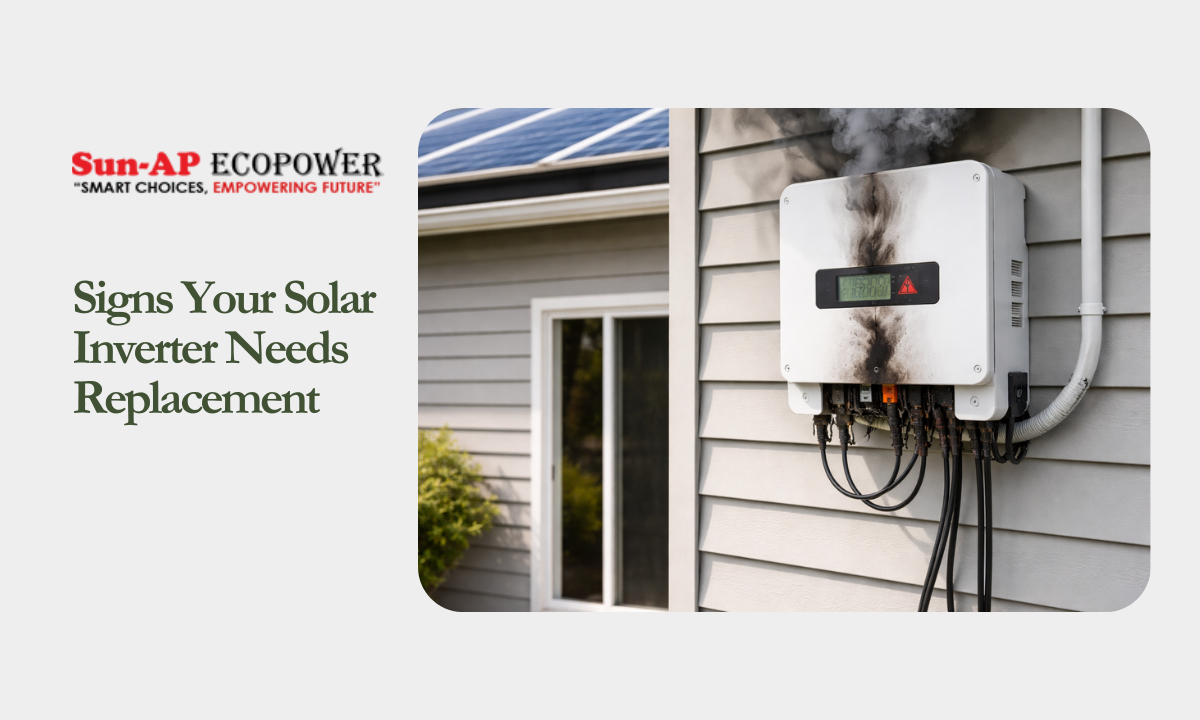
Have you ever stared at your electricity bill and thought, “Wait — I have solar panels. Why is this still so high?” You’re not alone.
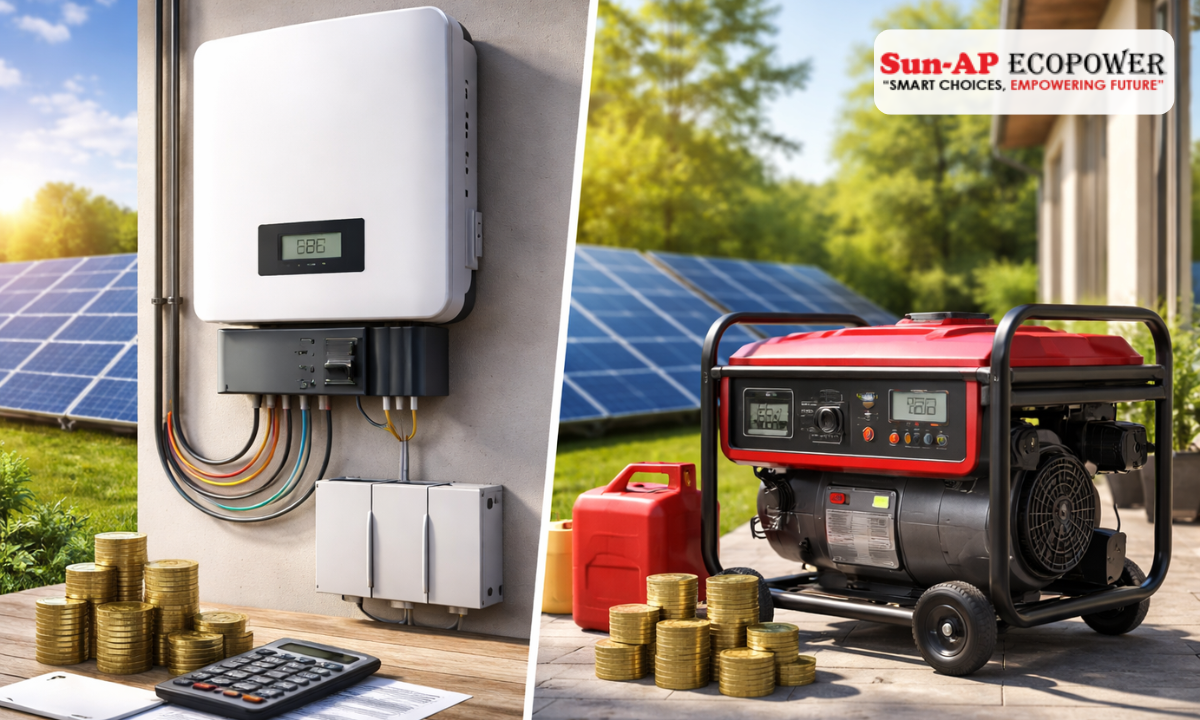
When we think about reliable power backup for the home, the debate between an inverter vs a generator often comes up. With rising electricity costs
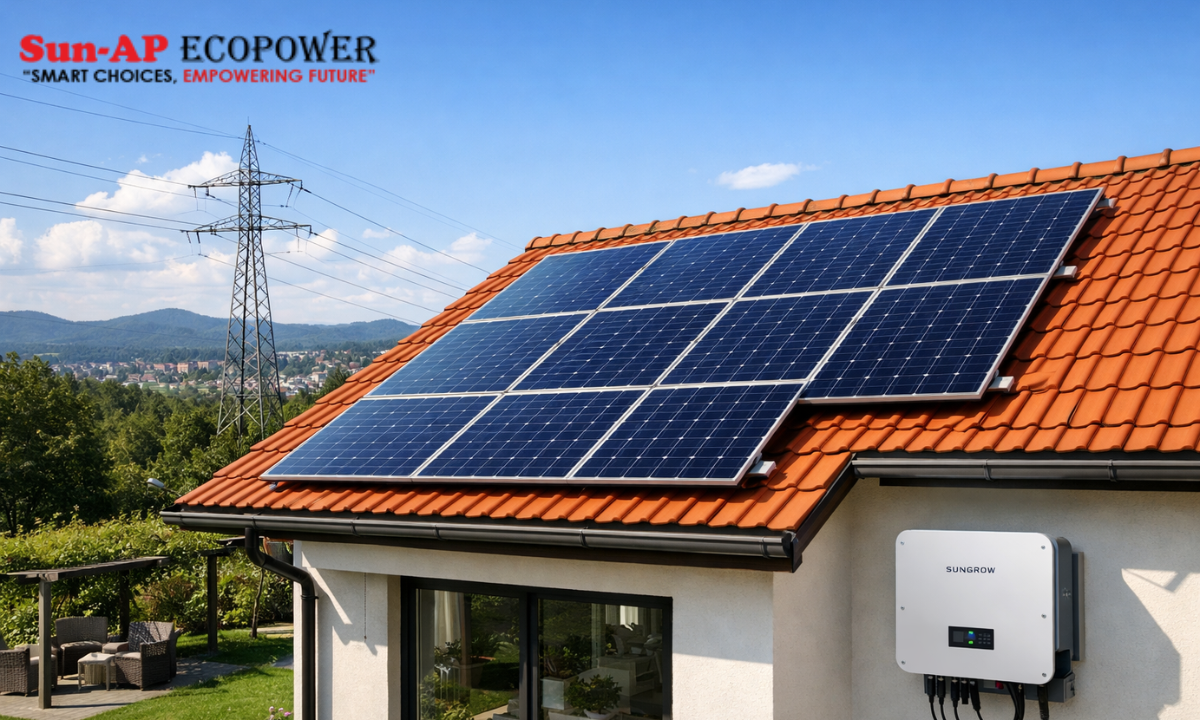
When we start thinking about switching to solar, one of the first things we consider is installing an on-grid solar system that can help us
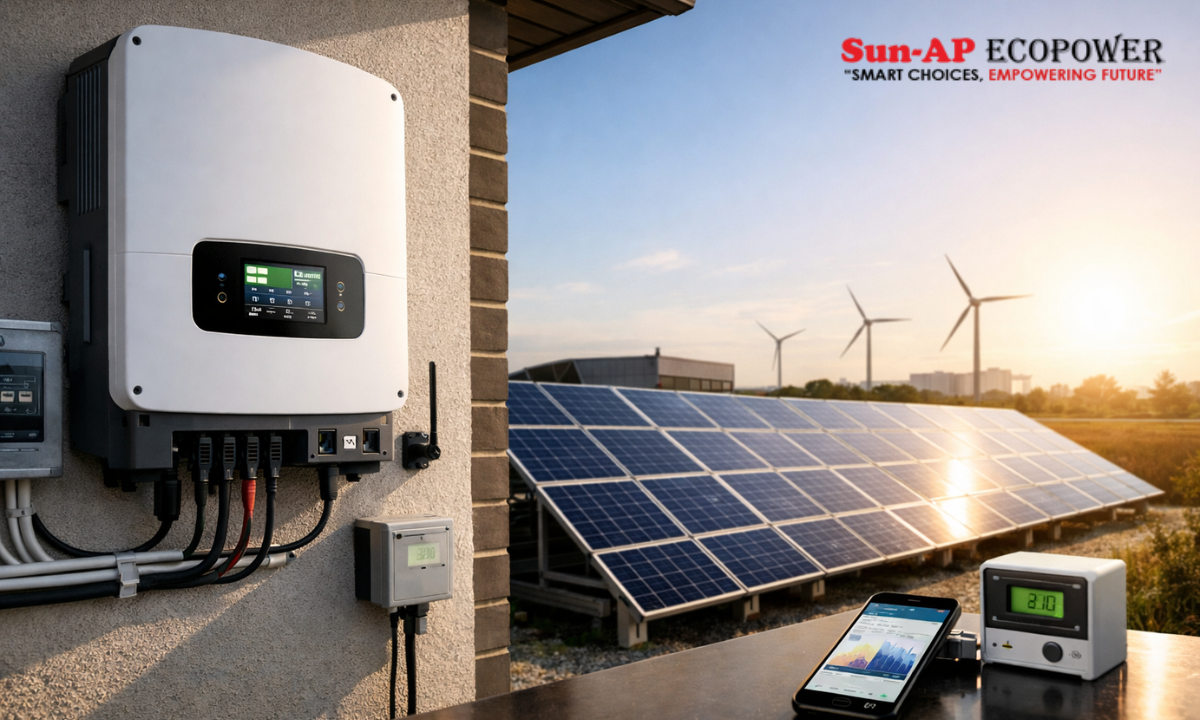
When homeowners and commercial facility managers decide to upgrade their energy infrastructure, they often focus entirely on the panels. This is a massive financial miscalculation.
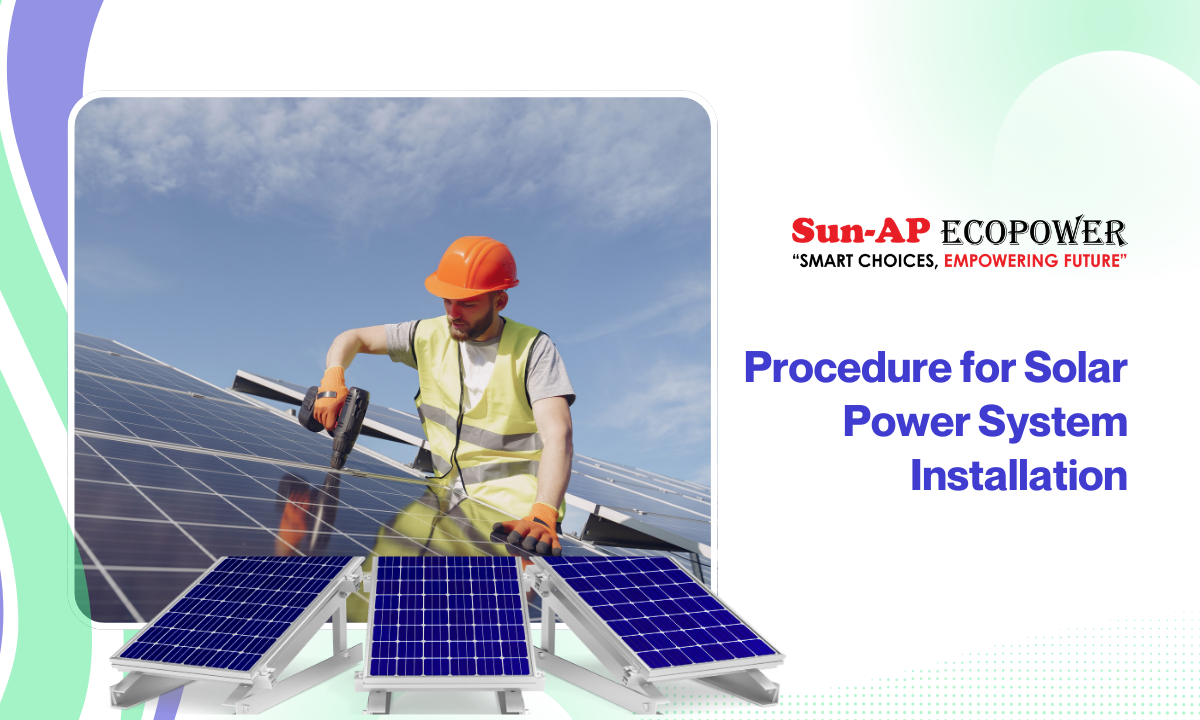
As energy costs continue to rise and sustainability becomes both an environmental and financial priority, the installation of solar power system solutions has evolved from
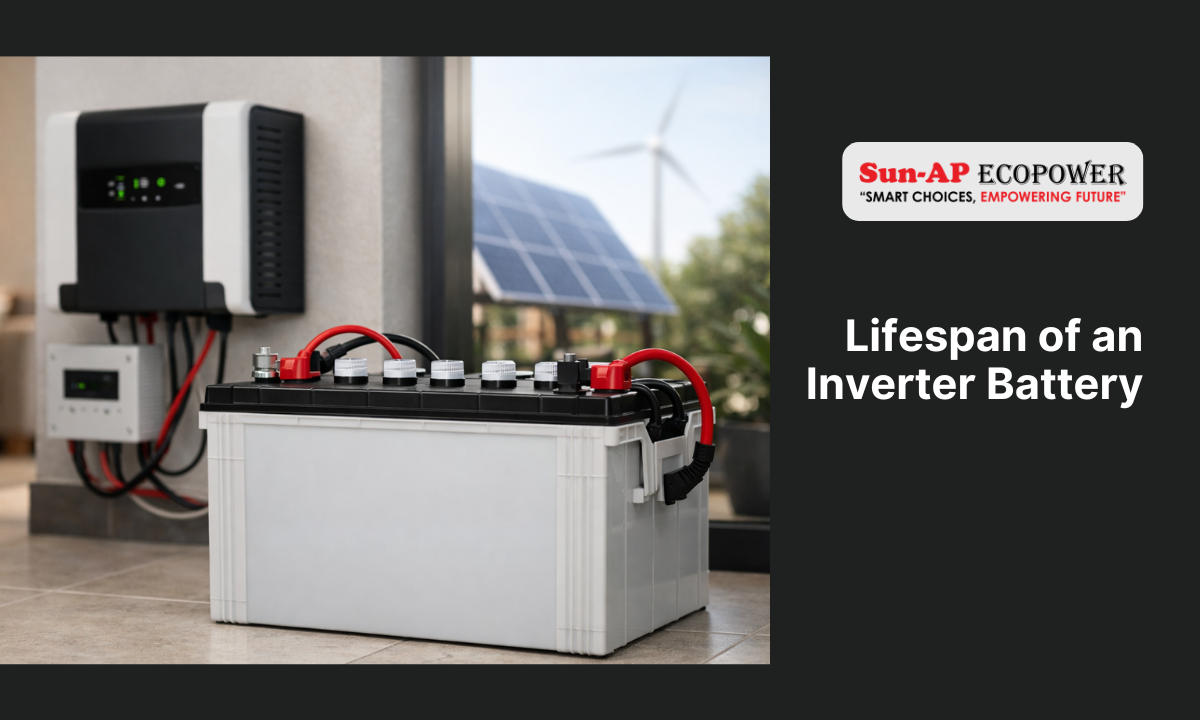
Power reliability is no longer optional. Whether you are running essential home appliances during outages or integrating renewable systems, understanding inverter battery life is crucial
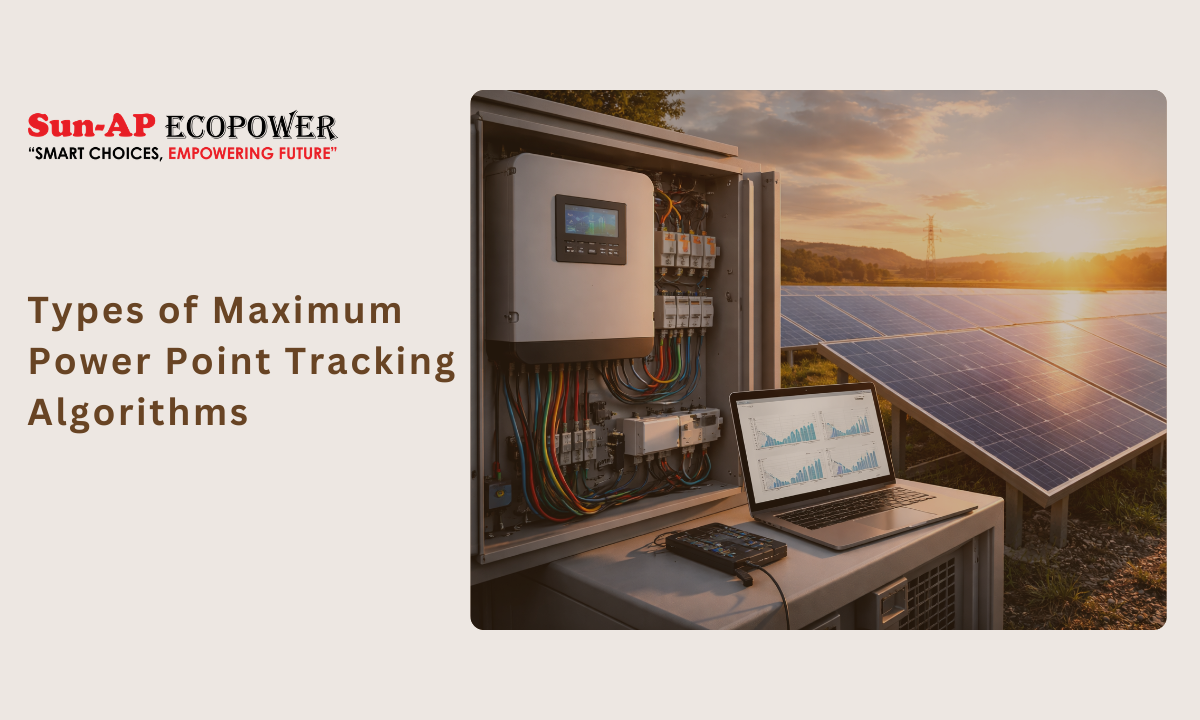
Solar energy generation is inherently dynamic. Unlike conventional power sources, photovoltaic modules do not produce a fixed output. Their voltage-current characteristics change continuously depending on