Ever wondered how your electricity bill is calculated so precisely every month, even when your usage keeps changing? Behind every unit consumed lies a smart device quietly recording your usage and ensuring accurate billing.
If you have ever asked yourself, ” What is an energy meter’’, you are in the right place, because understanding it can help you save money, improve efficiency, and even integrate solar solutions with ease, especially when working with trusted solar product distributors in India.
Stay with us, because what you will discover next could completely transform how you track, control, and reduce your electricity consumption.
Key Points at a Glance
- An energy meter measures electricity consumption in units (kWh) with high accuracy
- Available in analog, digital, smart, prepaid, and solar-compatible variants
- Essential for billing, monitoring, and optimising electricity usage
- Smart meters enable real-time tracking, automation, and remote readings
- Used across homes, industries, and renewable energy systems
- Helps answer questions like how many electricity meters are in each house
- Plays a crucial role in energy savings and sustainability goals
What Is an Energy Meter?
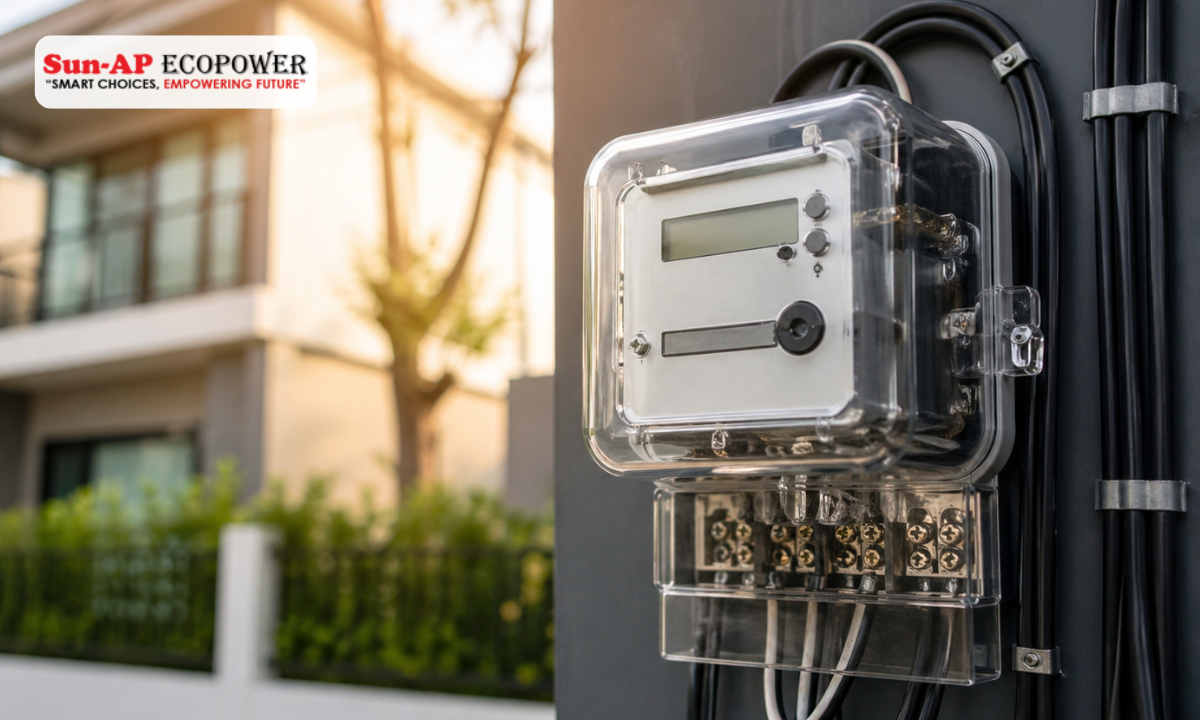
An energy meter is a device that records the amount of electrical energy consumed by a household, commercial establishment, or industrial facility over a period of time. It measures power usage in kilowatt-hours (kWh), which is the standard unit used by electricity providers for billing.
In simple terms, it acts as a transparent tracking system between your electricity usage and your monthly expenses. Without it, utility companies would not be able to measure consumption accurately, making fair billing impossible.
How Does an Energy Meter Work?
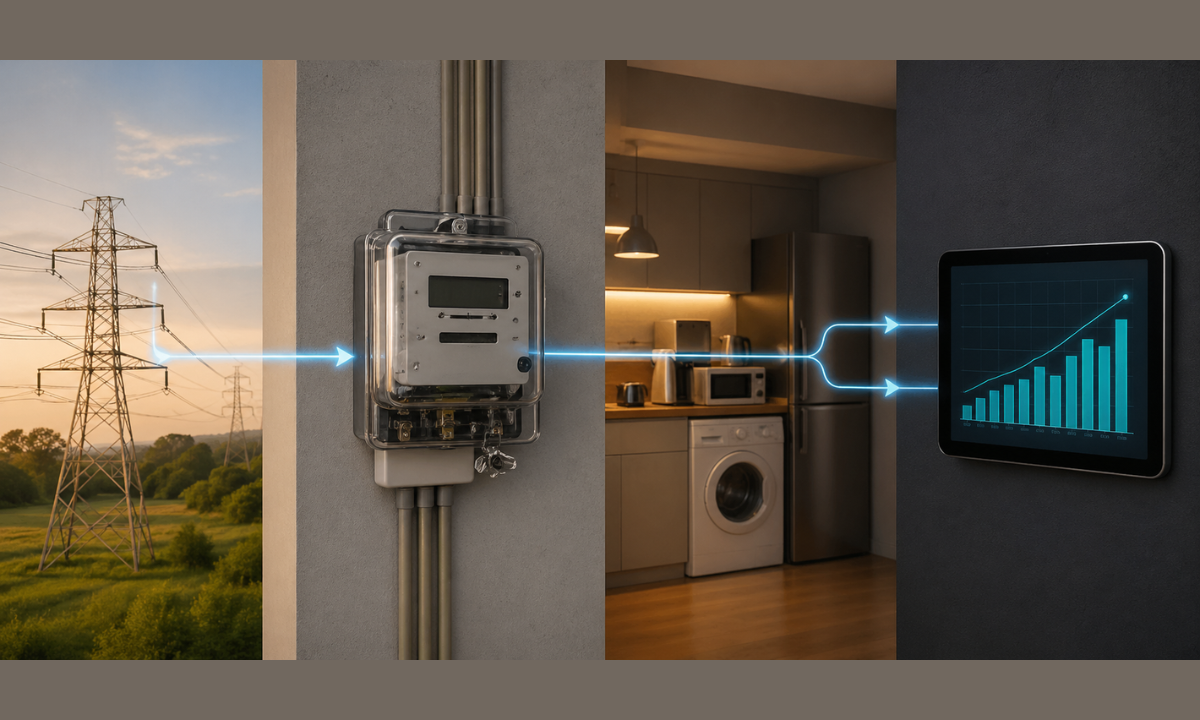
Understanding the working mechanism of an energy meter is easier when broken into simple steps. These devices continuously monitor electricity flow and calculate consumption in real time.
Basic Working Principle:
- Measures voltage (V) and current (I) flowing through the circuit
- Calculates power (P = V × I) instantly
- Converts usage into kilowatt-hours (kWh) over time
- Stores and displays the data for billing and analysis
In traditional analog meters, a rotating aluminium disk spins faster as electricity usage increases. On the other hand, digital and smart meters use microprocessors and sensors to deliver more precise, tamper-resistant, and real-time readings.
Types of Energy Meters
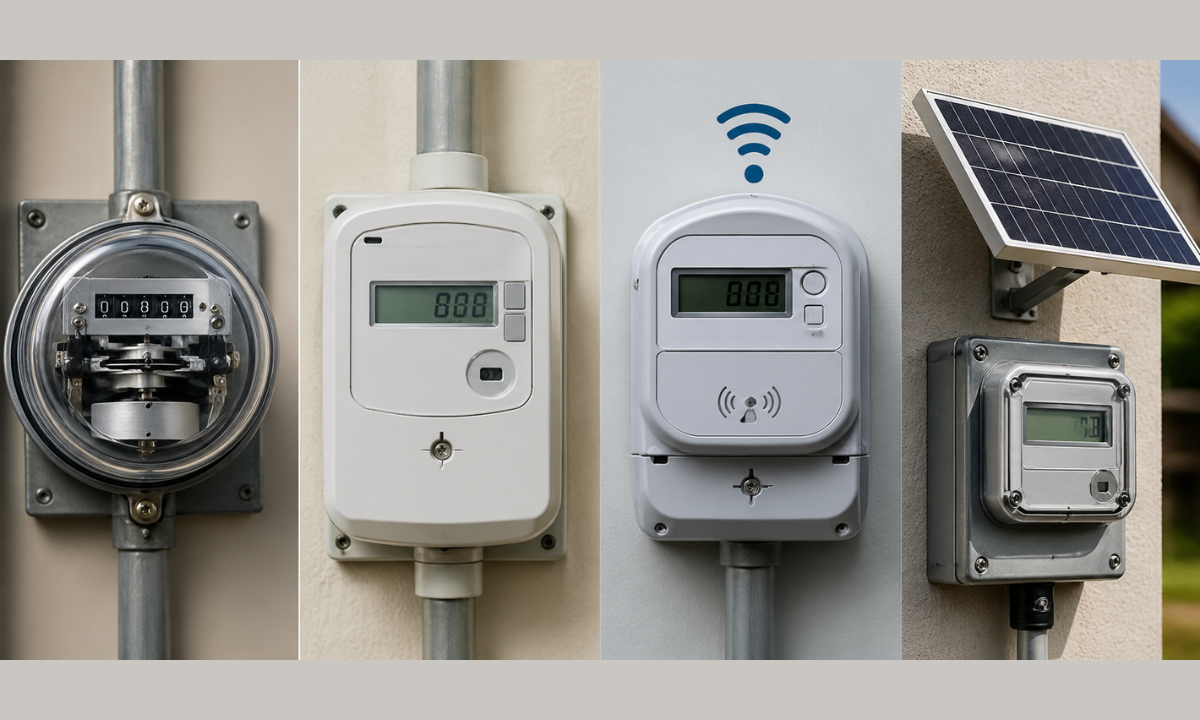
If you are wondering how many types of energy meters exist, the answer depends on technology and application. Here’s a clear and practical breakdown:
| Type of Energy Meter | Description | Best For |
|---|---|---|
| Analog Meter | Uses electromechanical disk rotation to measure usage | Older homes and legacy systems |
| Digital Meter | Displays readings on an LCD/LED screen | Modern residential setups |
| Smart Meter | Sends real-time data to utilities and users | Smart homes & advanced monitoring |
| Prepaid Meter | Works on a recharge basis like mobile plans | Rental and temporary properties |
| Solar Meter | Tracks energy import/export in solar systems | Solar-powered homes |
Each type is designed to meet specific needs, whether it’s basic measurement or advanced energy analytics.
What Are 3-Phase Energy Meters?
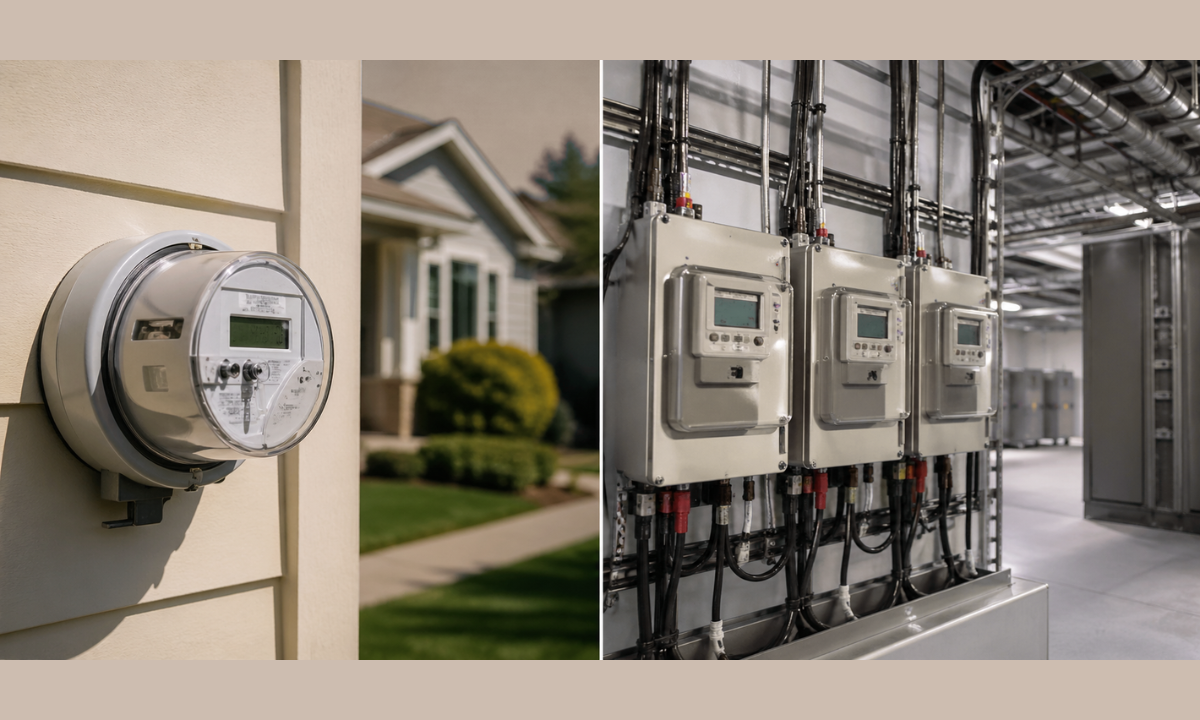
3-phase energy meters are specifically designed for high-power consumption environments such as factories, malls, and large office buildings. These setups require a stable and balanced electrical supply, which single-phase systems cannot handle efficiently.
Key Features:
- Supports heavy electrical loads and industrial machinery
- Ensures balanced distribution of power across phases
- Reduces energy losses and improves efficiency
- Provides highly accurate readings for large-scale consumption
For businesses, investing in a 3-phase meter is not just necessary; it’s critical for operational stability.
How Many Electricity Meters Per House?
A frequently asked question is: how many electricity meters per house? The answer depends on the structure and usage of the property.
- Single-family homes – Typically 1 meter for the entire property
- Apartment buildings – Separate meter for each unit
- Rental floors or duplex homes – Multiple meters for individual billing
- Homes with solar installations – Often 2 meters (grid + solar/net meter)
Having multiple meters allows for better tracking, fair billing, and improved energy management in shared or multi-use properties.
How Smart Meters Work
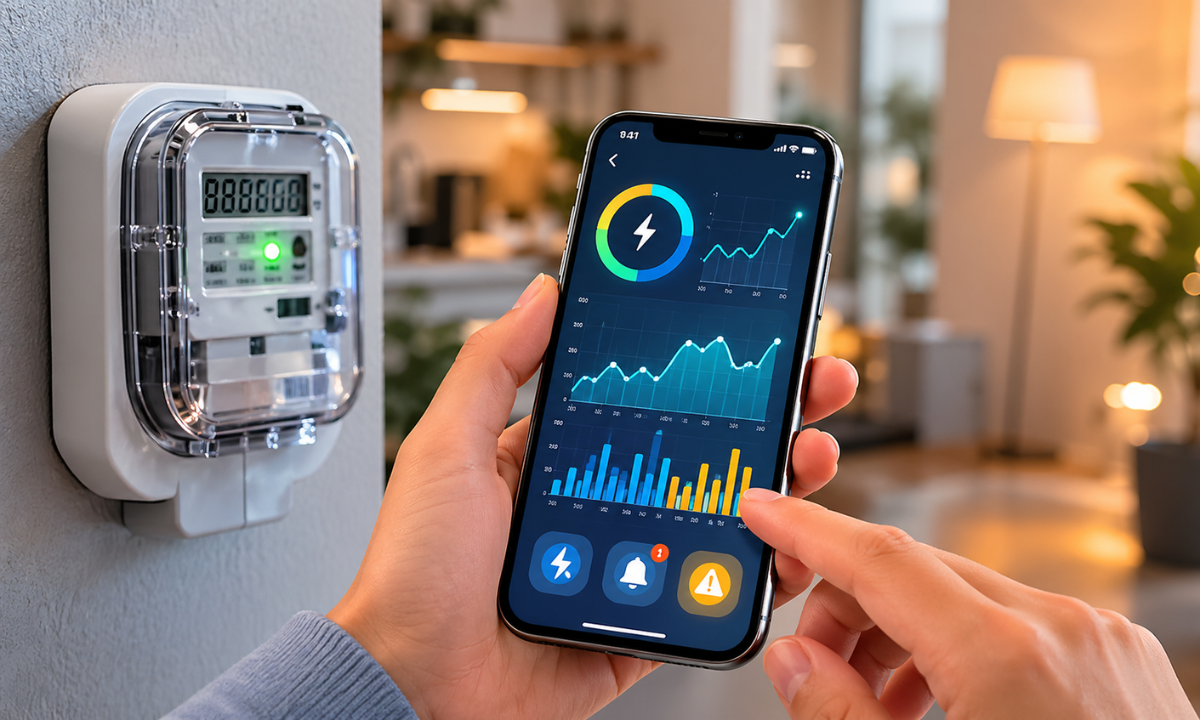
If you are curious about how smart meters work, they represent a major upgrade from traditional systems. These devices use advanced communication technologies to provide real-time insights into energy usage.
Smart Meter Capabilities:
- Tracks electricity consumption in real time
- Sends data automatically to utility providers via wireless networks
- Eliminates manual meter readings and human errors
- Provides detailed usage reports through apps or dashboards
- Helps users identify high-consumption appliances
This level of transparency empowers users to make smarter decisions and reduce unnecessary energy costs.
Will Smart Meters Work with Solar Panels?
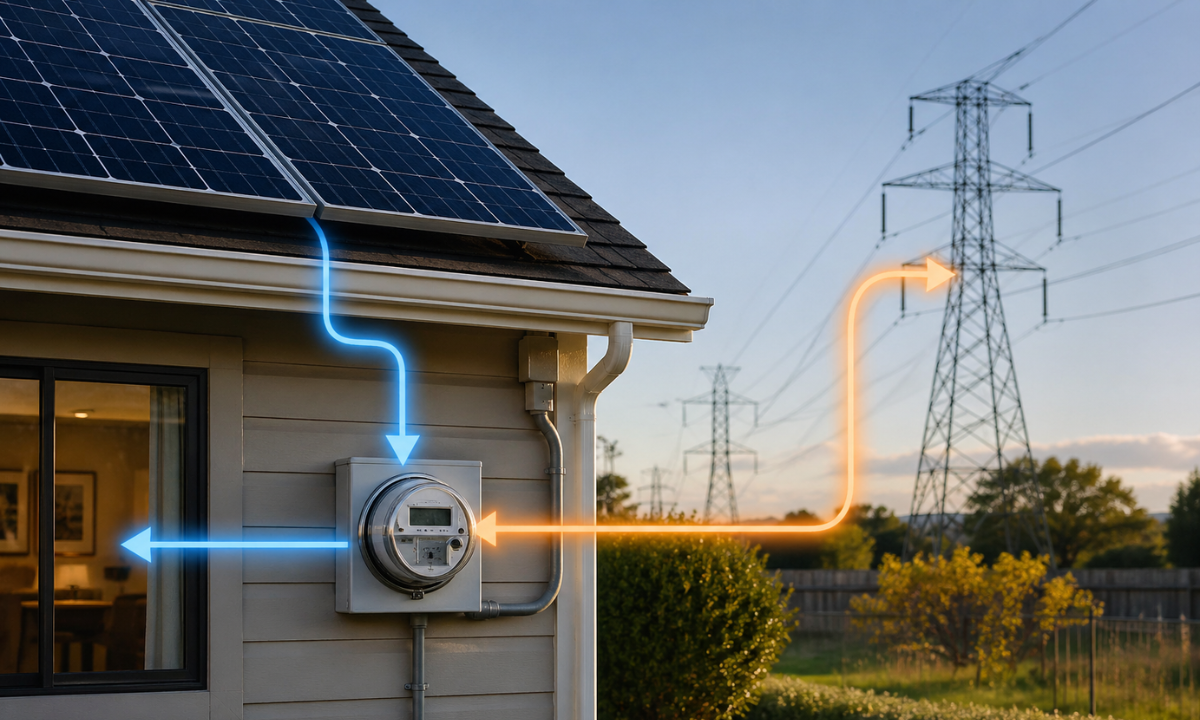
A common concern among homeowners is: Will smart meters work with solar panels? The answer is yes, and they actually enhance solar system efficiency.
How They Work Together:
- Measure both electricity consumption and solar generation
- Enable net metering, allowing users to export excess power
- Track energy savings and system performance
- Help optimise usage patterns for maximum efficiency
This integration is especially valuable for those transitioning to renewable energy and aiming for long-term cost savings.
Popular Energy Meter Brands in India
Choosing the right brand ensures reliability, accuracy, and durability. Companies like Secure Meters and Secure Energy Meters are known for their advanced technology and trusted performance in the Indian market.
If you’re planning to purchase or upgrade your system, connecting with secure meter dealers in India can help you access genuine products along with installation support and after-sales service.
Uses of Energy Meters
Energy meters go far beyond simple billing; they play a key role in efficient energy management.
- Accurate electricity billing for residential and commercial users
- Monitoring consumption patterns to reduce wastage
- Load management to prevent overloads and outages
- Fault detection for identifying electrical issues early
- Solar power tracking for renewable systems
In industries, they are essential for optimising operations and reducing energy costs significantly.
Tips to Use Energy Meters Efficiently
Want to maximise the benefits of your energy meter? Here are some practical tips:
- Check your meter readings regularly to stay aware of usage trends
- Upgrade to smart meters for detailed insights and automation
- Combine with solar systems to reduce dependency on grid power
- Avoid running heavy appliances during peak hours
- Analyse monthly data to identify and reduce energy waste
Even small changes can lead to noticeable savings over time.
Final Thoughts
Understanding what an energy meter is no longer just technical knowledge; it’s a smart step toward better energy control, cost savings, and sustainability. As technology evolves, energy meters are becoming more intelligent, accurate, and essential for modern living.
With the rise of renewable energy and trusted solar product distributors in India, integrating smart meters with solar systems is becoming the new standard. Whether you are upgrading your home or managing a commercial setup, choosing the right partner matters, and that’s where Sun AP Ecopower can help you move toward a smarter, energy-efficient future.
FAQs About Energy Meters
1. What is an energy meter used for?
An energy meter is primarily used to measure the amount of electricity consumed by a home, office, or industrial setup over a specific period. It records usage in kilowatt-hours (kWh), which forms the basis of your electricity bill. Additionally, it helps users monitor consumption patterns, identify wastage, and improve overall energy efficiency.
2. How many types of energy meters are there?
There are mainly five types of energy meters: analog, digital, smart, prepaid, and solar meters. Each type serves a different purpose based on usage needs and technology levels. While analog meters are traditional, smart meters offer real-time monitoring, and solar meters are designed specifically for tracking energy generation and export in renewable systems.
3. Can I install multiple metres in one house?
Yes, multiple energy meters can be installed in a single property depending on its structure and usage. For example, multi-floor homes, rental units, or properties with separate tenants often require individual meters for accurate billing. In homes with solar systems, separate meters may also be used to track grid consumption and solar energy generation.
4. Are smart meters worth the investment?
Smart meters are worth the investment because they provide real-time insights into electricity usage, helping users make informed decisions. They eliminate manual readings, reduce billing errors, and allow remote monitoring through apps. Over time, this leads to better energy management, reduced wastage, and noticeable savings on electricity bills.
5. Do energy meters work during power cuts?
Energy meters do not record electricity usage during power cuts because there is no active flow of current. Since they measure real-time consumption, they only function when electricity is being supplied. However, modern smart meters can retain previously recorded data and resume tracking automatically once the power supply is restored.