Power outages are a daily reality across India. Whether you run a factory in an industrial corridor, manage a hospital, or operate a commercial building in a metro city, reliable backup power is not optional; it is essential.
Providing a steady and reliable power supply remains a major challenge for the electrical grid in many parts of India, particularly in rural and semi-urban areas, where power outages are common and can last for extended periods.
Two technologies dominate the backup power conversation today: the diesel generator (DG set) and the lithium battery energy storage system (BESS). While lithium battery-based solutions are growing in popularity, diesel generators continue to hold a strong and justified position in specific use cases, especially in India’s industrial and infrastructure sectors.
This guide breaks down exactly when and why a diesel generator makes more practical sense than a lithium battery, and helps you make an informed decision based on your power needs, load type, location, and budget.
Key Takeaways
- Diesel generators offer immediate high-power output suited for heavy industrial loads
- DG sets are the preferred choice in remote and off-grid locations where fuel is accessible, but grid connectivity is poor
- With proper maintenance, a diesel generator lifespan ranges from 15 to 20 years, making it a long-term asset
- Compared to battery storage system prices, diesel generators generally have a lower upfront investment
- Lithium battery systems are better suited for urban residential and light commercial use
- A solar inverter with battery setup works best for steady, moderate loads — not high-surge industrial applications
- India’s diesel genset market is growing, driven by infrastructure expansion, healthcare, and data centres
Understanding the Basics: Diesel Generator vs Lithium Battery
Before diving into which is better, it is important to understand what each technology does.
What Is a Diesel Generator?
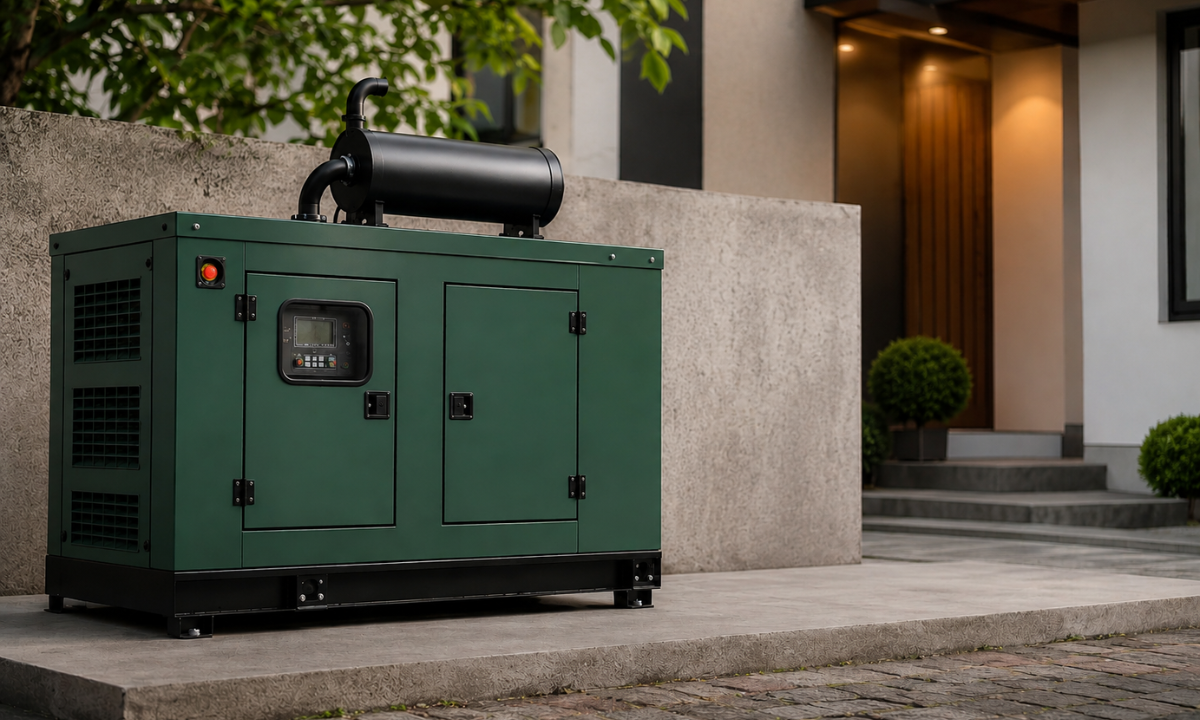
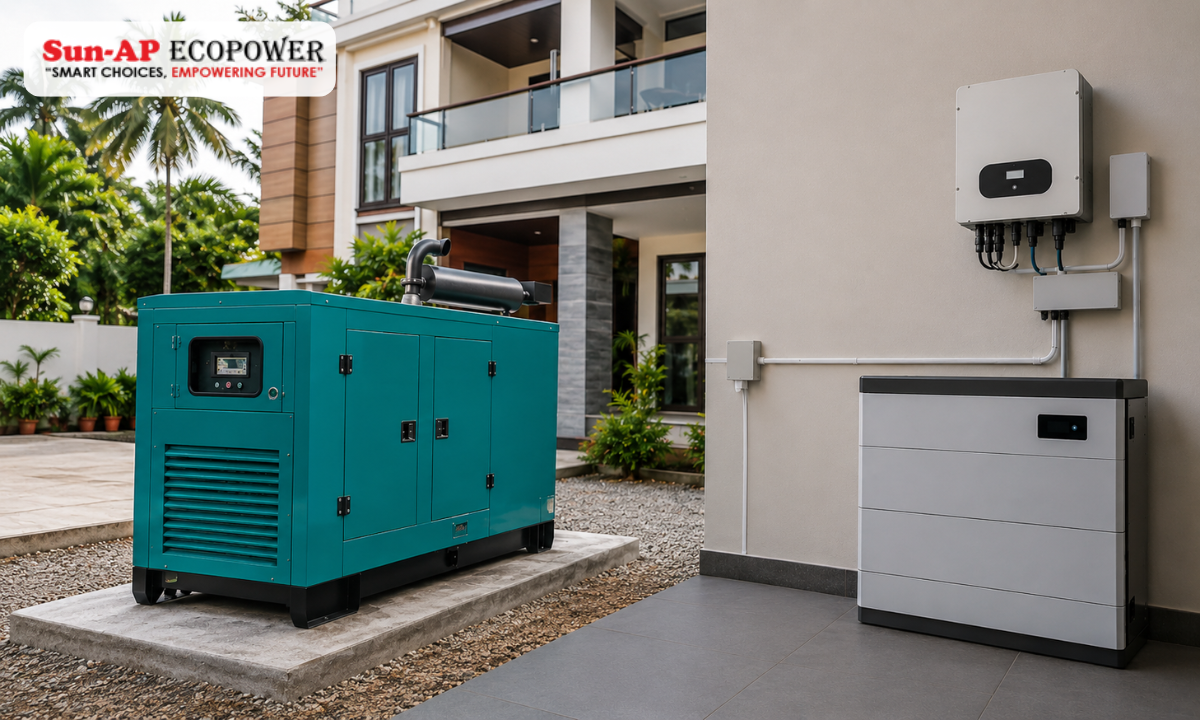
A diesel generator converts diesel fuel into electricity by burning fuel in an internal combustion engine. The engine drives an alternator, which produces the electrical output needed to power connected equipment. These are widely used across industrial applications, commercial buildings, construction sites, hospitals, data centres, and emergency backup power setups. Diesel generators are available in a broad capacity range, from small portable units of 5 kVA for small businesses to large industrial-grade sets exceeding 500 kVA for factories and infrastructure projects. Their ability to deliver high, sustained power output instantly upon startup makes them a preferred choice in environments where power interruptions can result in significant operational or financial losses.
What Is a Lithium Battery Energy Storage System?
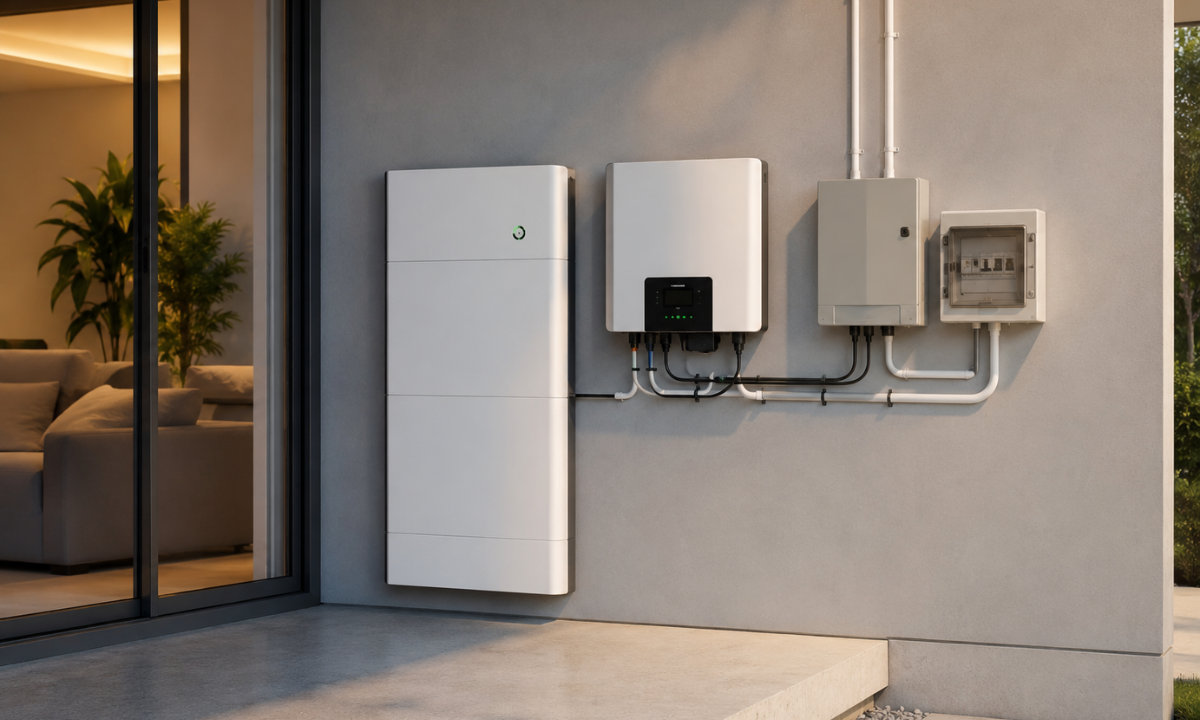
A lithium battery energy storage system is a modern power backup technology that stores electricity sourced either from the grid or from renewable sources like rooftop solar panels and releases it automatically during outages or periods of high demand. Unlike a diesel generator, it has no moving parts, produces zero emissions during operation, and runs completely silently. It is most commonly paired with a solar inverter with a battery for clean, uninterrupted power backup in homes and offices. These systems are increasingly popular among solar distributors in India and solar dealers in India, who offer bundled rooftop solar and battery storage packages for residential and light commercial installations looking to reduce grid dependency and electricity costs.
Why Diesel Generators Still Make Sense in India
1. Superior Power Output for Heavy Loads
Diesel generators excel at delivering high, sustained power output. For industrial and high-power applications such as factories, hospitals, or heavy machinery, a diesel generator is the better choice.
Lithium battery systems, while efficient, have limitations when it comes to very high-load environments that require hundreds of kilowatts of continuous power. A DG set has no such ceiling when appropriately sized.
2. Lower Upfront Investment
Diesel generator sets offer a dependable and effective power backup option, allowing businesses, factories, and residential regions to maintain operations seamlessly during blackouts or high-demand times.
For businesses that need large-capacity backup and are budget-constrained on capital expenditure, a diesel generator remains the more accessible entry point compared to an equivalent-capacity lithium battery BESS.
3. Fuel Availability and Operational Continuity
Diesel fuel is widely available, ensuring continuous operation during extended power outages. In remote project sites, construction zones, and areas with poor grid infrastructure, diesel supply chains are far more established than the infrastructure needed to charge large battery banks.
4. Ideal for Remote and Off-Grid Locations
Mega-projects often operate in remote locations where diesel generators are the most reliable power option for machinery and construction equipment.
In such environments, solar inverters with battery or standalone lithium battery systems face challenges around solar irradiance variability, logistics of battery transport, and the absence of grid charging infrastructure.
5. Proven Reliability in Critical Sectors
The expansion of telecom, healthcare, and data centre sectors in India drives the need for reliable power backup. Healthcare facilities require uninterrupted power to ensure critical life-support systems function continuously.
Diesel generators have decades of proven performance in these sectors, and the service ecosystem technicians, spare parts, and maintenance providers are well-established across India.
6. Long Operational Lifespan
With proper maintenance, a diesel generator’s lifespan ranges from 15 to 20 years. This makes them a dependable long-term asset for businesses that require continuity over extended periods without frequent capital reinvestment.
7. High Capacity Range Available
The 100–350 kVA range commands the largest capacity share, serving hospitals, hotels, manufacturing plants, and IT parks requiring reliable mid-tier standby power. This mid-to-large capacity bracket is where diesel generators remain largely unmatched in cost-per-kVA terms.
Diesel Generator vs Lithium Battery: Head-to-Head Comparison
| Feature | Diesel Generator | Lithium Battery (BESS) |
|---|---|---|
| Upfront Cost | Lower | Higher |
| Operating Cost | Higher (fuel-dependent) | Lower |
| Power Output | Very High | Moderate to High |
| Ideal Load Type | Heavy / Industrial | Light / Residential |
| Noise Level | High | Silent |
| Maintenance | Regular servicing needed | Minimal |
| Lifespan | 15–20 years | 7–10 years (battery cells) |
| Remote Use | Excellent | Limited |
| Emissions | Higher | Zero (if solar-charged) |
| Solar Integration | No | Yes (via solar inverter with battery) |
| Fuel Dependency | Yes | No |
| Best For | Factories, hospitals, construction | Homes, offices, and small commercial |
When a Lithium Battery Is the Better Choice
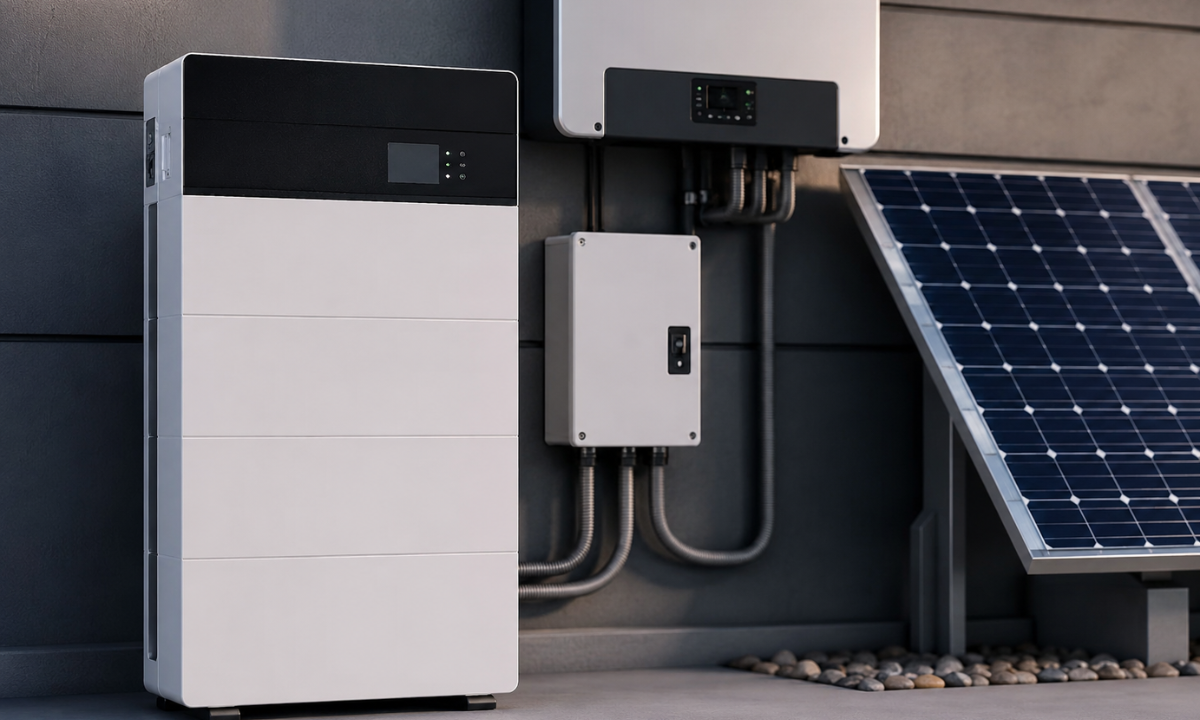
To give a balanced view, lithium battery systems are clearly superior in specific scenarios:
- Residential and light commercial use where loads are predictable and moderate
- Urban areas where noise and emission restrictions are enforced
- Solar-integrated setups pairing a solar inverter with a battery, create a clean, cost-effective power solution
- Long-term cost savings – the cost of running a diesel generator is three times or more than the power provided by the power company, making ESS a less expensive solution for ongoing operational use
- Zero-maintenance environments like apartments, clinics, and IT offices
Many solar batteries dealers in India now offer bundled packages combining rooftop solar, solar inverter with battery, and lithium battery storage, ideal for homes and small businesses looking to reduce grid dependency.
Diesel Generator Market in India: Where It Stands Today
India’s diesel generator market size was valued at USD 1.37 billion in 2025 and is projected to reach USD 2.15 billion by 2034, growing at a CAGR of 5.25% during 2026–2034, driven by persistent grid reliability gaps, expanding industrial infrastructure, and rising power demand from data centres.
Standby backup power commands a dominant 70% application share in 2025, as businesses and institutions primarily treat diesel gensets as insurance against grid failures rather than as continuous power sources.
This data confirms that diesel generators are not going away – they are evolving. Newer CPCB IV+ compliant models offer better fuel efficiency, lower emissions, and remote monitoring capabilities, making them a cleaner and smarter version of a time-tested technology.
Choosing the Right Power Backup: A Quick Decision Guide
Choose a Diesel Generator if:
- Your load exceeds 20 kVA consistently
- You operate in a remote or off-grid location
- You need standby power for a factory, hospital, or data centre
- The capital budget is limited and you need a high-capacity solution
- Fuel supply is reliable in your area
Choose a Lithium Battery / Solar Inverter with Battery if:
- Your load is residential or light commercial
- You are in an urban area with noise/emission restrictions
- You already have or plan to install rooftop solar
- You want zero ongoing fuel costs
- Silent, maintenance-free operation is a priority
Consider a Hybrid System if:
- You need high-capacity backup with long-term cost efficiency
- Your load varies significantly throughout the day
- You want to combine solar, battery storage, and a DG set for layered reliability
Conclusion
Diesel generators and lithium battery systems serve different masters. The decision is not about which technology is newer or greener in isolation; it is about which one matches your actual power requirement, location, budget, and operational context.
Factories and industrial facilities, the trend is shifting from traditional fuel-based generators to smart battery storage systems that offer lower total cost of ownership, better performance, and environmental benefits, but diesel generators are not disappearing overnight, especially in remote or extreme-use cases.
For high-load industrial applications, remote project sites, hospitals, and infrastructure projects in India, the diesel generator remains a reliable and practical choice. For homes, urban offices, and businesses integrating solar, a lithium battery with a solar inverter with battery is increasingly the smarter long-term investment.
The right answer lies in understanding your specific power needs and choosing accordingly.
Frequently Asked Questions
Q1. Is a diesel generator better than a lithium battery for a factory?
For most factories with high and continuous loads, yes. Diesel generators offer higher power output at a lower upfront cost and are better suited for heavy machinery and large industrial loads.
Q2. Can I use a solar inverter with a battery instead of a diesel generator?
For residential and light commercial use, a solar inverter with a battery system is an excellent alternative. However, for high-load or remote industrial applications, a diesel generator is typically more practical.
Q3. How long does a diesel generator last compared to a lithium battery?
A well-maintained diesel generator can last 15 to 20 years. A lithium battery pack typically lasts 7 to 10 years before requiring replacement.
Q4. Are there solar dealers in India offering hybrid power solutions?
Yes. Many solar dealers in India now offer hybrid solutions that combine rooftop solar, a solar inverter with battery, and diesel backup for layered, reliable power.
Q5. What is the best power backup solution for a hospital in India?
Hospitals typically require high-capacity, instant backup. Diesel generators remain the standard for critical healthcare infrastructure, though many facilities now pair them with a lithium battery UPS for seamless switchover.
Q6. Is the use of diesel generators being restricted in Indian cities?
Several state governments including Delhi and Chandigarh, have tightened restrictions on diesel generator use in commercial and residential zones, making lithium battery alternatives increasingly relevant for urban users.
Q7. Where can I find reliable power backup solutions in India?
Sun AP Ecopower offers a range of power backup and solar energy solutions for homes, businesses, and industrial users across India.