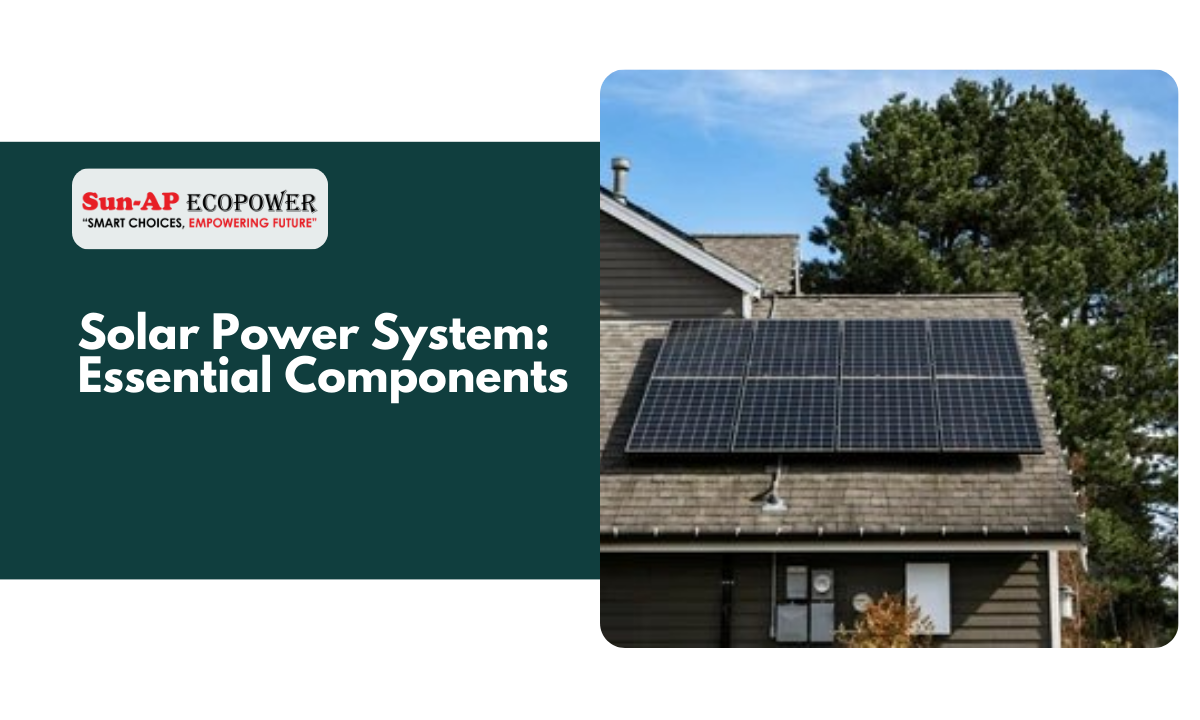
As someone working closely with renewable energy solutions at Sun AP Ecopower, I often guide homeowners and businesses who want to adopt a reliable solar power system. Whether you are planning a small residential setup or a larger commercial installation, understanding the core components is critical for long-term performance and savings.
Many customers approach us as the trusted solar panel & products dealers in India, looking for clarity on what exactly goes into a complete solar setup and how each component works together efficiently.
Understanding a Solar Power System
A solar power system converts sunlight into usable electricity through a combination of hardware components. Each part plays a specific role, from capturing sunlight to storing energy and supplying power safely to your appliances.
A well-designed system ensures:
- Consistent power generation
- Reduced electricity bills
- Energy independence
- Long-term sustainability
- Minimal maintenance
Solar Panels System: The Core Energy Generator
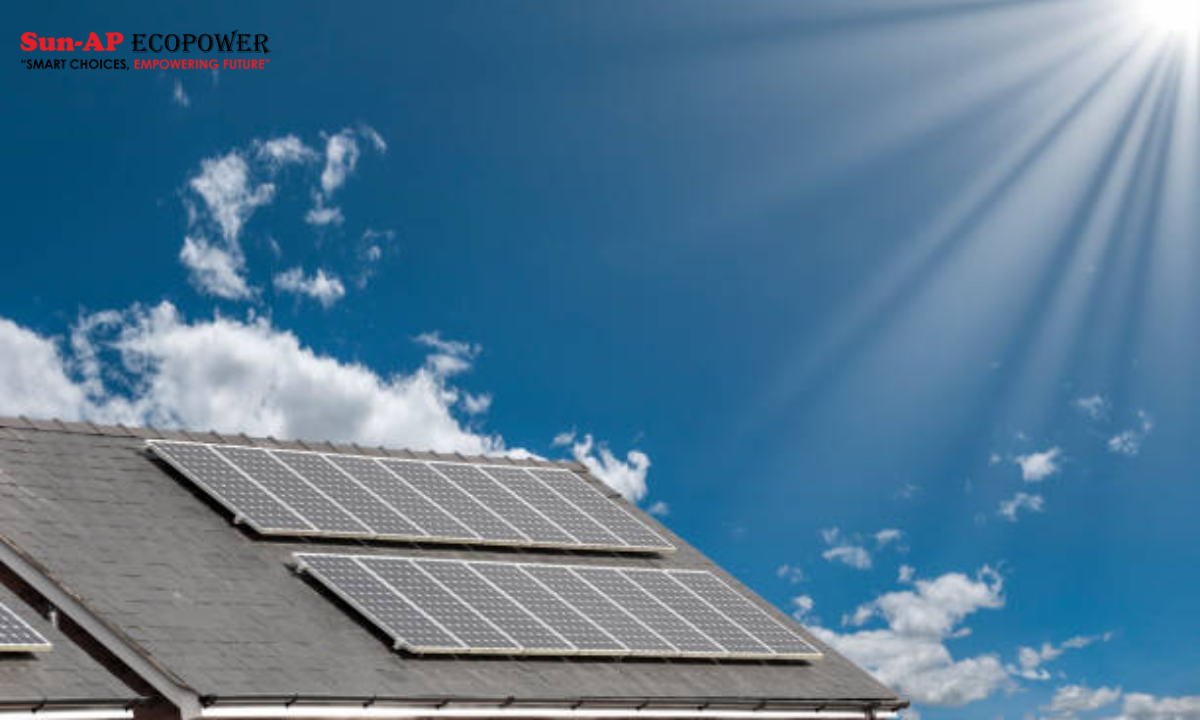
The solar panels system is the heart of any solar installation. Solar panels capture sunlight and convert it into direct current (DC) electricity.
Key points about solar panels:
- Installed on rooftops or open land
- Available in monocrystalline and polycrystalline options
- Designed for durability and weather resistance
- Performance depends on sunlight exposure and panel quality
Choosing the right solar panel capacity ensures your system meets daily energy requirements effectively.
Solar Power System Installation: Proper Setup Matters
A successful solar power system installation requires precise planning, correct mounting structures and professional electrical connections.
Important installation aspects include:
- Roof orientation and angle
- Shading analysis
- Structural strength assessment
- Safe wiring and earthing
- Compliance with local regulations
Proper installation maximizes energy output and ensures system safety.
Solar Inverter: Converting Power for Daily Use
Solar panels generate DC electricity, but most household appliances use AC power. This is where solar inverters come in.
Solar Inverter Without Battery
A solar inverter without a battery is commonly used in grid-connected systems.
Benefits include:
- Lower upfront cost
- High efficiency
- Direct power usage during the daytime
However, the power supply depends on grid availability.
Solar Inverter With Battery
A solar inverter with a battery stores excess power for later use.
Advantages include:
- Backup power during outages
- Better energy independence
- Ideal for areas with unreliable grid supply
Choosing between these options depends on usage patterns and backup needs.
Solar Power System Battery: Energy Storage Solution
The solar power system battery stores excess electricity generated during the day. This stored energy can be used at night or during power cuts.
Battery benefits include:
- Reliable backup power
- Efficient energy management
- Reduced dependency on the grid
- Support for critical appliances
Battery capacity selection depends on daily consumption and backup duration requirements.
Solar Power System Home: Tailored for Residential Needs
A solar power system home setup is designed specifically for residential usage. These systems typically power:
- Lighting
- Fans
- Refrigerators
- Televisions
- Washing machines
- Home offices
Residential systems can be grid-connected, off-grid or hybrid, depending on household needs.
Solar Power Lighting System: Efficient Illumination
A solar power lighting system uses solar energy to power indoor and outdoor lights. These systems are highly efficient and cost-effective.
Applications include:
- Street lighting
- Garden lighting
- Security lighting
- Indoor household lighting
They reduce electricity consumption and are easy to maintain.
Solar Power Heating System: Sustainable Heat Generation
A solar power heating system uses solar energy to generate heat instead of electricity. Common applications include:
- Solar water heaters
- Space heating systems
- Industrial heating solutions
These systems significantly reduce electricity or gas consumption.
Mounting Structures and Wiring Components
Mounting structures support solar panels securely. High-quality mounts ensure stability against wind and weather.
Other essential electrical components include:
- DC and AC cables
- Junction boxes
- Protection devices
- Earthing systems
These components ensure safety and efficiency.
Monitoring System: Tracking Performance
Modern solar systems include monitoring tools that allow users to:
- Track power generation
- Monitor consumption
- Detect faults early
- Optimize performance
Monitoring ensures maximum returns on investment.
Role of Solar Panels Dealers In India
As trusted solar panels dealers in India, we help customers choose the right panels based on efficiency, warranty and performance. Dealer expertise ensures quality sourcing and reliable after-sales support.
Role of Solar Inverters Dealers In India
As reliable solar inverters dealers in India, we guide customers in selecting the correct inverter type, capacity and technology. A good inverter enhances system efficiency and longevity.
Why Choosing Solar Panel & Products Dealers In India Matters
Working with experienced solar panel & products dealers in India ensures access to certified equipment, professional guidance and complete system solutions. This helps customers avoid compatibility issues and ensures long-term reliability.
Final Thoughts
Setting up a solar power system is a smart investment for energy savings and sustainability. From selecting the right solar panel system and inverter to choosing an efficient solar power system battery, every component plays a crucial role. Proper planning, professional installation and reliable equipment sourcing are key to long-term performance.
At Sun AP Ecopower, we always recommend working with trusted solar panel & products dealers in India to ensure quality, safety and optimal results. With the right components and expert guidance, a solar power system can deliver clean, reliable energy for years to come.
FAQs
Q1: What are the main components of a solar power system?
Solar panels, inverter, battery, mounting structure, wiring, and monitoring system.
Q2: Is a battery mandatory for a solar power system?
No. Grid-connected systems can work without a battery, while off-grid or hybrid systems require batteries.
Q3: Which is better: an inverter with a battery or without a battery?
It depends on your need for backup power. Battery systems offer backup, while non-battery systems are more cost-effective.
Q4: Can a solar power system run an entire home?
Yes, with proper capacity planning, a solar-powered home setup can support most household appliances.
Q5: How long does a solar power system last?
Solar panels typically last 25 years or more, while inverters and batteries have varying lifespans depending on usage and quality.