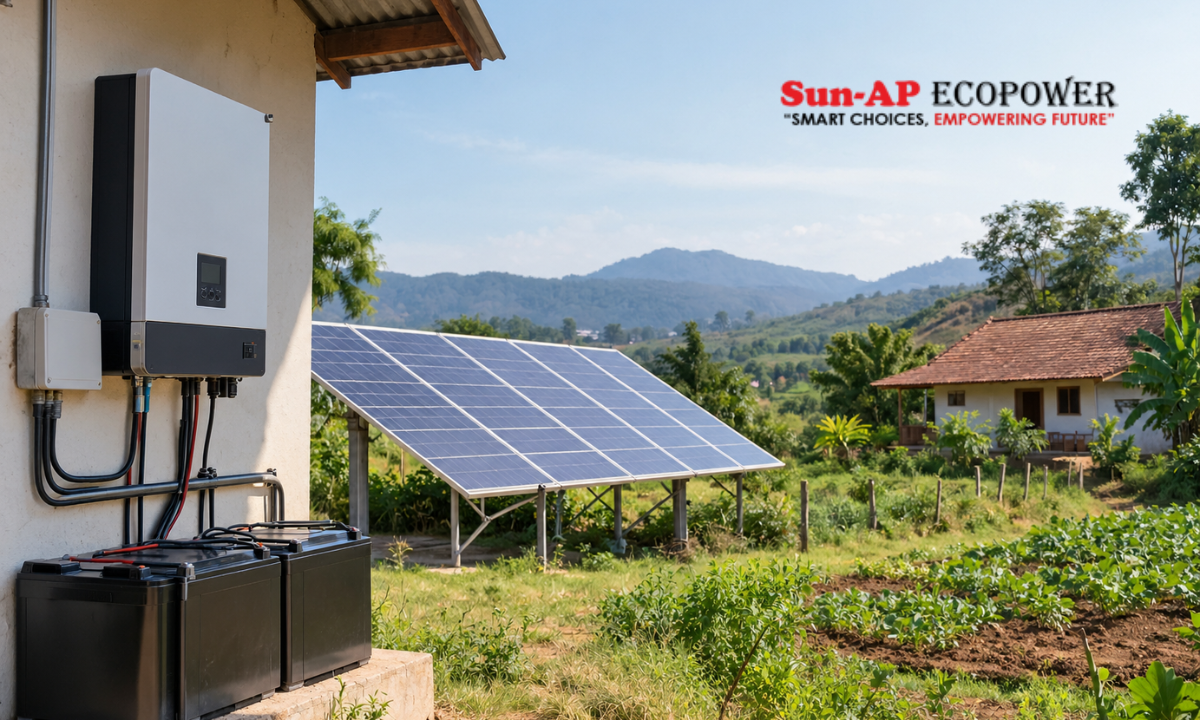
Off grid solar inverters power places the utility grid does not reach, such as farms, remote homes and telecom sites. At these locations there is no grid to fall back on, so every design mistake shows up as a dead battery, a stalled pump or an expensive service visit. Here is how to specify one properly.
Quick Answer: What Does an Off Grid System Need?
- An inverter with enough continuous and surge output for your loads, and a built-in MPPT charge controller.
- A battery bank sized for your daily energy use and the days of autonomy you want.
- A solar array large enough to run your loads and recharge the battery every day.
- A site plan for heat, dust, humidity, protection and maintenance.
How Off Grid Solar Inverters Work
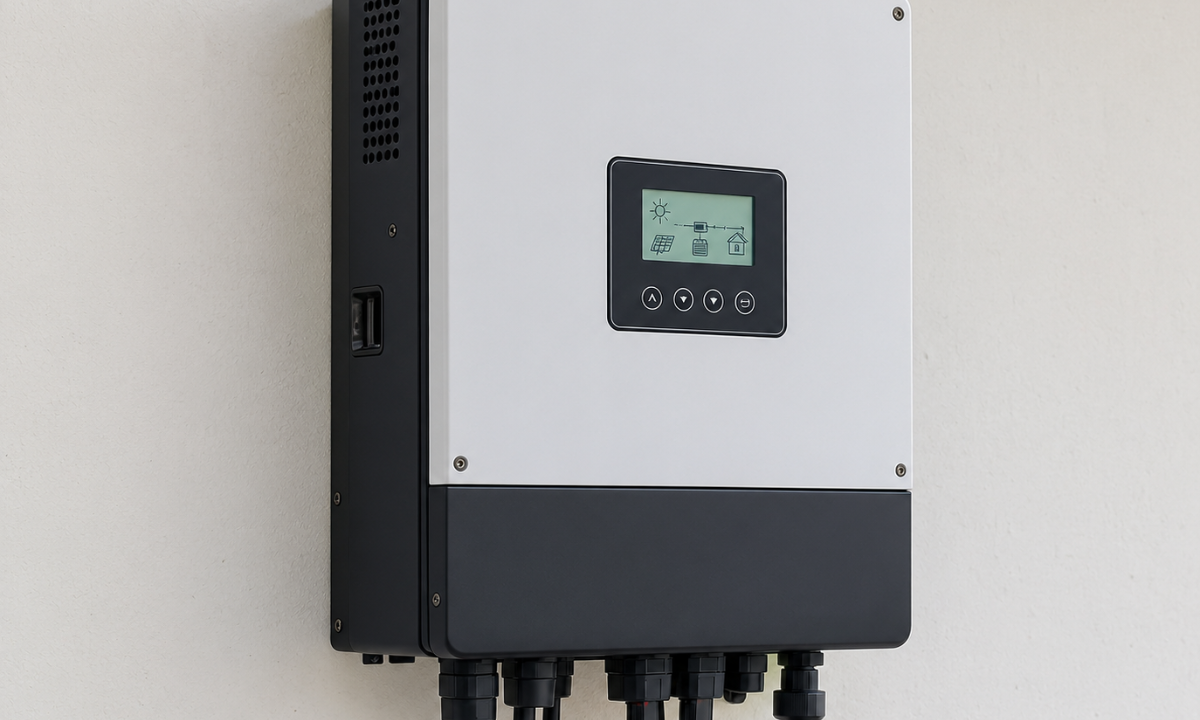
An off grid inverter turns DC from panels and batteries into AC for your appliances. With no grid to fall back on, it must manage charging, loads and battery protection on its own.
That last point is what separates off grid design from everything else. A grid-connected system can lean on the utility when the battery runs low. An off grid system cannot, so the inverter, battery and array have to be matched carefully, and the system must be built to cope with the worst weather you are likely to see.
Why MPPT Charge Control Matters
A built-in MPPT charge controller extracts maximum power from the panels, which charges batteries faster and uses sunlight more efficiently, especially on cloudy or low-light days.
On a remote site, that extra harvest in poor light can be the difference between a full battery by evening and a half-empty one. It also means panel strings must fit the inverter’s voltage window. If you add panels later, stay within the inverter’s MPPT limits.
Sizing for a Farm or Remote Home
List every load: pumps, lights, fans and tools. Add starting surge for motors. Then choose battery capacity for the nights and cloudy days you must cover, and size the array to recharge it each day. Add a safety margin of around 20% for future loads.
If you want a step-by-step method for adding up loads and checking surge, see our hybrid inverter sizing guide. The main difference off grid is that you plan around daily energy and days of autonomy, rather than a few hours of outage backup.
Step 1: Work Out Daily Energy Use
Multiply each appliance’s power by the hours it runs each day. The table below shows an example for a small farmhouse with a water pump. Wattages and run times are illustrative, so replace them with your own.
| Load | Power | Daily use | Energy per day |
| Water pump (about 1HP) | 0.75kW | 3 hours | 2.25 kWh |
| LED lights (8 x 10W) | 80W | 5 hours | 0.4 kWh |
| Ceiling fans (3 x 70W) | 210W | 6 hours | 1.26 kWh |
| Refrigerator (runs about half the time) | 200W | 24 hours at 50% | 2.4 kWh |
| TV, router and charging | 150W | 5 hours | 0.75 kWh |
| Total daily energy | about 7.1 kWh | ||
Add the 20% margin for future loads and the daily figure becomes about 8.5 kWh.
Step 2: Choose Days of Autonomy
Days of autonomy is how many days the system must run on battery alone when the sun is weak. Two days is a common starting point for sites that see occasional cloudy spells, and monsoon regions or very remote sites may need more. The formula is simple:
Usable battery (kWh) = daily energy (kWh) x days of autonomy
For the example above, 8.5 kWh x 2 days = about 17 kWh of usable battery. This is far larger than a typical outage-backup battery, which is why off grid batteries are the biggest cost in the system.
Step 3: Size the Array to Recharge Every Day
Your panels must run the day’s loads and refill the battery. In good sunlight, a 1kW array commonly produces around 4 units per day, so 8.5 kWh a day points to an array of roughly 2.1kW before losses. After allowing for losses, shading and weaker days, a starting point near 3kW is more realistic for this example. Because cloudy days leave the battery lower, a larger array recharges it faster after a bad spell. A site check gives a more reliable number than a rule of thumb, so ask our engineers, and see our solar panels range.
Step 4: Check Inverter Output and Surge
The pump is the heavy hitter in this example. A motor can draw several times its running power for a moment at start, so the inverter’s surge capacity must cover the pump plus whatever else is running at the same time. Check the surge rating on the datasheet and tell us which motors you run.
Lithium or Lead-Acid Batteries?
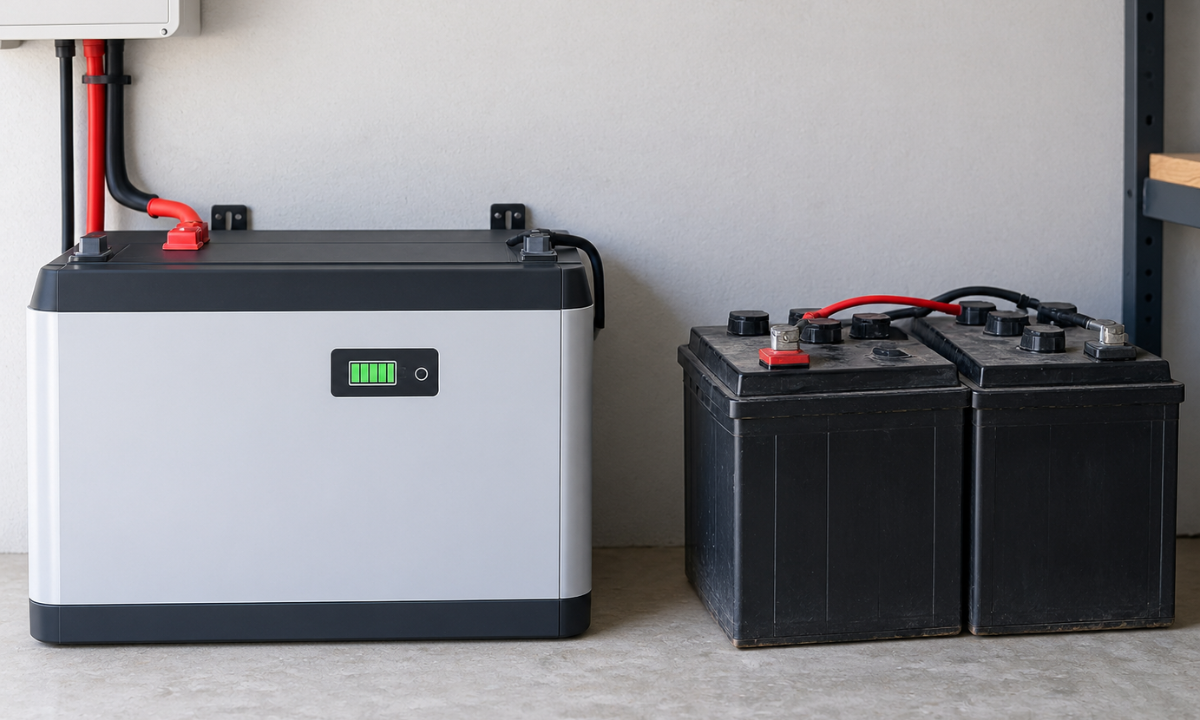
Lithium costs more upfront but offers deeper usable capacity and longer life. Lead-acid has a lower entry price but needs more upkeep. Pick based on how often you cycle the battery.
| Factor | Lithium | Lead-acid |
| Upfront cost | Higher | Lower |
| Usable capacity | Deeper, so a smaller nominal size can do the same job | Shallower, so you need a larger nominal size |
| Life when cycled daily | Longer | Shorter |
| Upkeep | Lower | More checks and maintenance |
| Best for | Daily cycling at remote sites where service visits are costly | Tight budgets and lighter or occasional use |
For an off grid site that cycles the battery every single day, the lower upkeep of lithium often outweighs the higher price. See our lithium batteries and energy storage systems to compare options.
Built for Tough Conditions
Remote sites see heat, dust and humidity. Choose an inverter designed for harsh environments, and install it in a ventilated, protected spot.
Site Protection Checklist
- Shade and airflow. Heat reduces inverter performance, so keep it out of direct sun with room to ventilate.
- Dust and moisture. Use a protected enclosure or room, and check the inverter’s ingress protection rating.
- Earthing and surge protection. Remote sites and open fields are exposed to lightning and voltage spikes, so include proper earthing and surge protection in the design.
- Cabling. Use correctly sized, well-protected cables, especially on long runs between the array and the inverter.
- Security. Unattended sites can attract theft, so consider secure mounting for the array and a locked enclosure for the inverter and batteries.
Generator Backup for Long Cloudy Spells
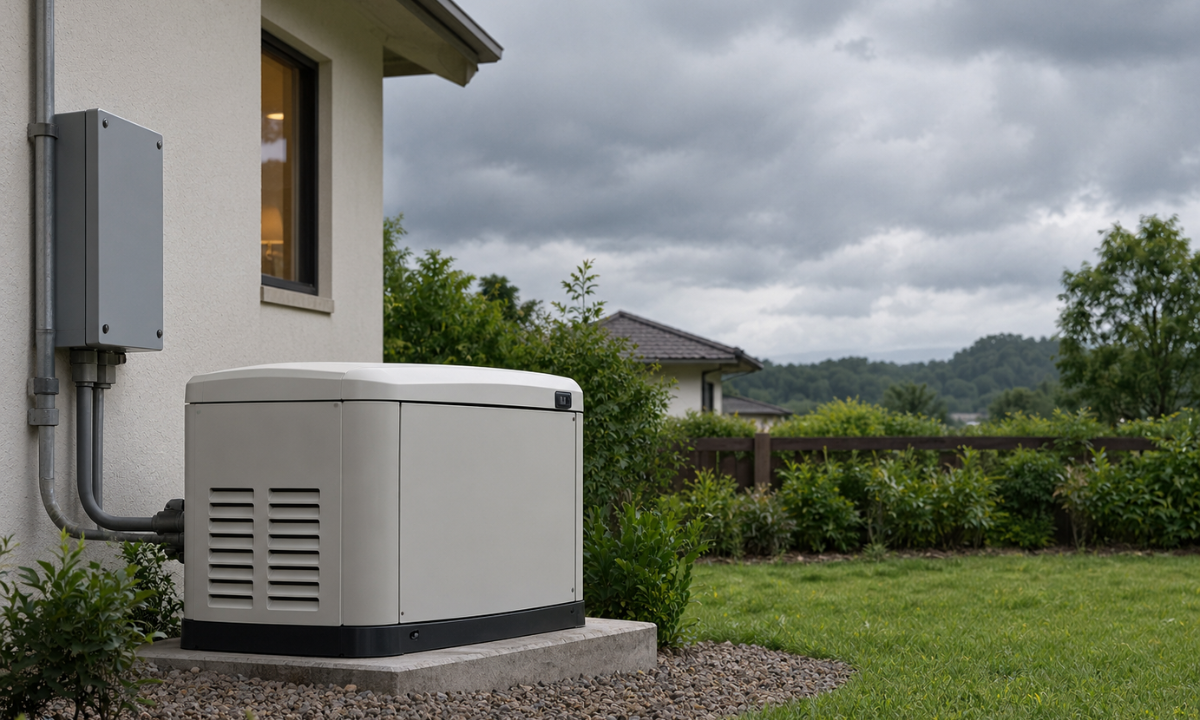
Many sites add a generator as a last-resort backup for long spells of poor weather. A well-sized battery and array reduce how often it runs, which saves fuel and wear. If you plan to include one, check whether your chosen inverter can accept a generator input and how it will start and stop. For generator control equipment, see our range of diesel generator controllers.
Common Mistakes to Avoid
- Skipping surge load in the calculation. Pumps and motors can overload an inverter that looks big enough on paper.
- Choosing too few days of battery autonomy. A system built for sunny days alone fails in the first bad week.
- Mounting the inverter in direct sun. Heat shortens its life and cuts performance.
- Sizing the array only for daytime loads. The array must also refill the battery every day.
- Ignoring lightning exposure. Open sites need proper earthing and surge protection.
- Forgetting remote monitoring. At a distant site, you want to see problems before you travel there.
Maintenance Tips
Keep panels clean, check battery connections and ventilation every quarter, and review monitoring data for drops in output. Small checks prevent most failures at sites where service visits are costly.
| How often | What to do |
| Regularly (more often in dusty areas) | Clean the panels and clear any shading from plants or debris. |
| Every quarter | Check battery connections, ventilation and cable condition. |
| Every quarter | Review monitoring data for any drop in daily output. |
| Before the monsoon or a long cloudy season | Check battery charge behaviour and generator readiness, if you have one. |
Remote monitoring is especially useful off grid. If your site has no reliable internet, ask which connection options the inverter supports before you buy.
Off-Grid or Hybrid?
If grid power exists but fails often, a hybrid system may serve you better. Off grid suits sites with no reliable connection at all. Tell us your location, loads and backup hours, and we will recommend the better fit. You can compare hybrid solar inverters if your site has some grid access.
Why Choose Sun-AP Ecopower
Sun-AP Ecopower supplies a wide range of solar inverters, batteries and panels from global brands. Our engineers can help you list your loads, plan battery autonomy and choose equipment suited to harsh conditions, so your remote site keeps running.
FAQs
What size off grid inverter do I need?
It depends on your peak and surge load, so share your appliance list with us.
Can I add panels later?
Yes, within the inverter’s MPPT limits.
Do I need a generator as backup?
Many sites add one for long cloudy spells, but a well-sized battery and array reduce the need.
How many days of battery autonomy should I plan for?
Two days is a common starting point for sites with occasional cloudy spells. Monsoon regions or very remote sites may need more, so tell us your location.
How do I calculate the battery I need for an off grid system?
Multiply your daily energy use in kWh by the days of autonomy you want. Add a margin of around 20% for future loads.
Can an off grid system run a water pump?
Yes, if the inverter’s surge capacity can cover the pump’s starting current along with other loads running at the same time. Share the pump rating with us so we can check.
Is lithium or lead-acid better for a farm?
If you cycle the battery daily and service visits are costly, lithium often works out better despite the higher price. Lead-acid suits tighter budgets and lighter use.
Do I need net metering for an off grid system?
No. An off grid system does not connect to the utility, so net metering does not apply.
Can I connect an off grid system to the grid later?
A pure off grid inverter is not designed for it. If grid power may reach your site, a hybrid system keeps that option open.
How often does an off grid system need maintenance?
Check battery connections, ventilation and cables every quarter, keep panels clean and review monitoring data regularly.
Ready to Specify Your Off Grid System?
Browse our off grid solar inverters, compare hybrid options, or order from the Sun-AP shop. For more guides, visit our blogs, or contact us with your location, loads and backup needs and our engineers will recommend the right setup.