Have you ever stopped to think about how your electricity usage is measured so accurately every month? The answer lies in the evolving types of energy meters that power India’s billing and monitoring systems today.
From traditional devices to intelligent systems, these meters are transforming how we consume electricity, especially with the growing role of reliable solar product distributors in India supporting energy-efficient solutions and renewable integration.
But which type of energy meter is right for you, and how can it impact your savings, control, and long-term efficiency? Let’s find out.
Key Points At A Glance
- Energy meters are classified by technology and phase
- Common types include analog, digital, smart, prepaid, and net meters
- Smart meters enable real-time monitoring and remote control
- Net metering is essential for solar energy users
- Choosing the right meter improves efficiency, reduces costs, and prevents energy loss
What Are Energy Meters?
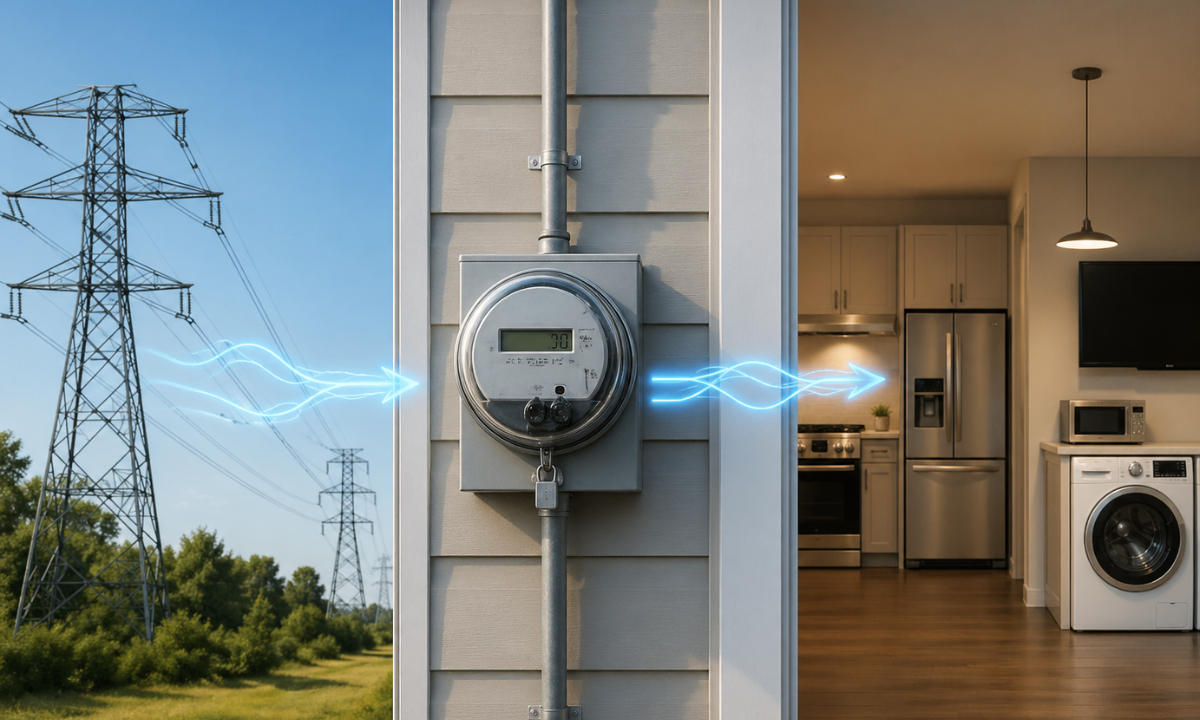
Energy meters, often referred to as electrical meters, are devices that measure electricity consumption in homes, businesses, and industries. They track how much power is used over time and convert that usage into billable units, typically kilowatt-hours (kWh).
In India, these meters have evolved significantly, from basic mechanical systems to intelligent digital solutions, making energy management more transparent, accurate, and user-friendly. This evolution also supports government initiatives focused on energy efficiency and smart grid development.
Classification Of Energy Meters In India
Energy meters in India are broadly classified into two categories, helping users understand their application and suitability more clearly.
1. Based On Technology
- Analog (Electromechanical)
- Digital / Electronic
- Smart
- Prepaid
- Net (Solar)
Each type differs in terms of accuracy, features, and level of automation, making it important to choose based on your specific needs.
2. Based On Phase
| Type | Usage Area | Load Capacity |
|---|---|---|
| Single-Phase | Homes, small shops | Up to 10 kW |
| Three-Phase | Industries, commercial buildings | Above 10 kW |
Single-phase meters are ideal for everyday residential use, while three-phase meters are designed to handle higher electrical loads efficiently in commercial and industrial environments.
Major Types Of Energy Meters In India
Let’s explore each type in detail to understand how they function and where they are best used.
1. Analog Meters (Electromechanical)
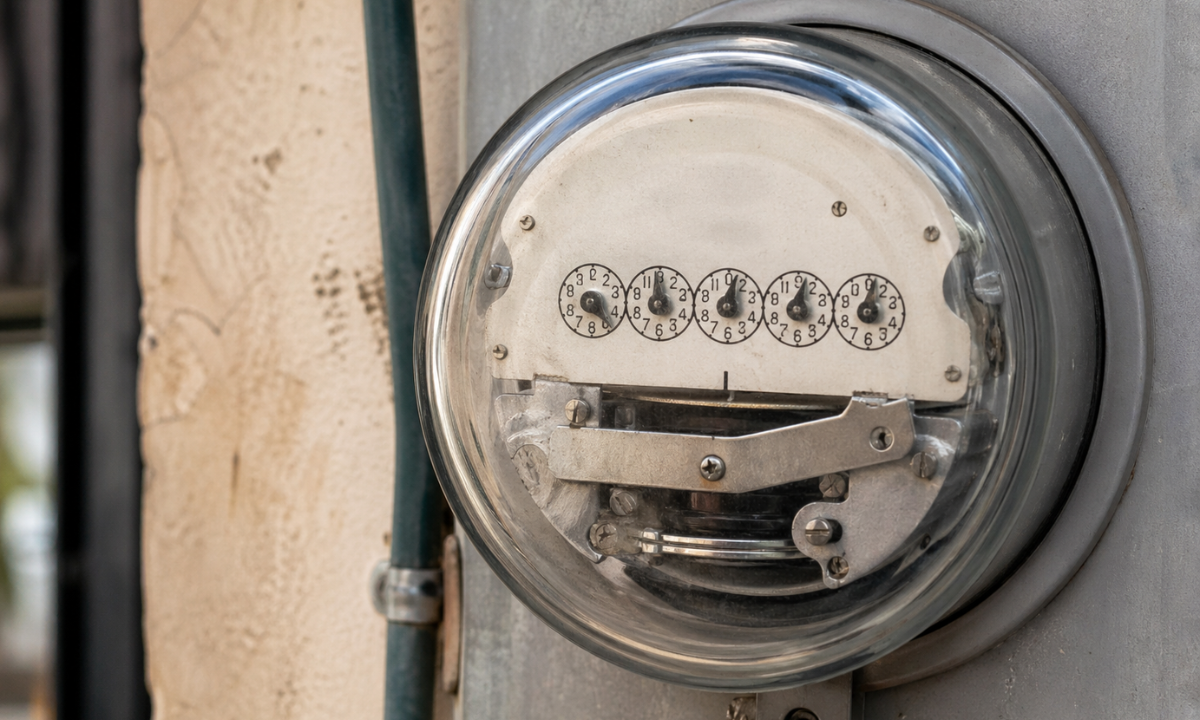
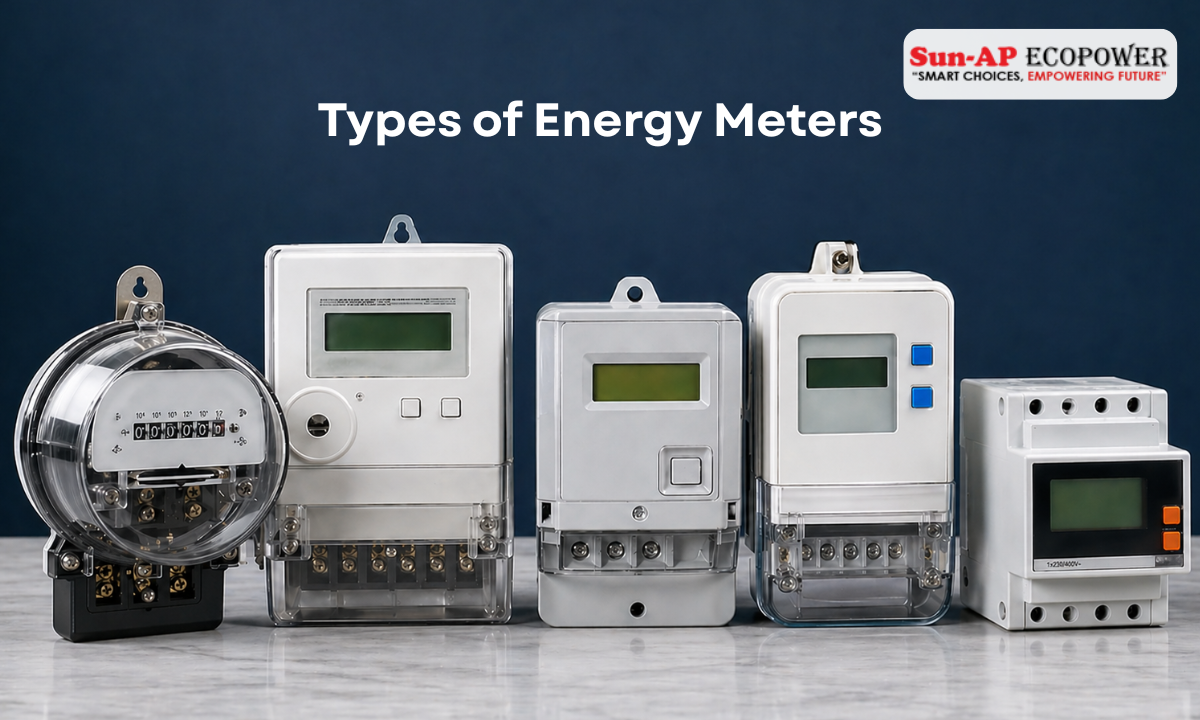
Analog meters are the oldest type still found in some parts of India. They use a rotating aluminium disc that spins proportionally to electricity consumption, offering a visual representation of energy usage.
Key Highlights:
- Simple mechanical design with minimal electronics
- No need for an external power supply
- Long operational life when maintained properly
Limitations:
- Lower accuracy compared to modern meters
- No remote monitoring or data storage
- Prone to mechanical wear and human reading errors
Due to these limitations, analog meters have largely been phased out since 2005 and replaced with more advanced alternatives.
2. Digital / Electronic Meters
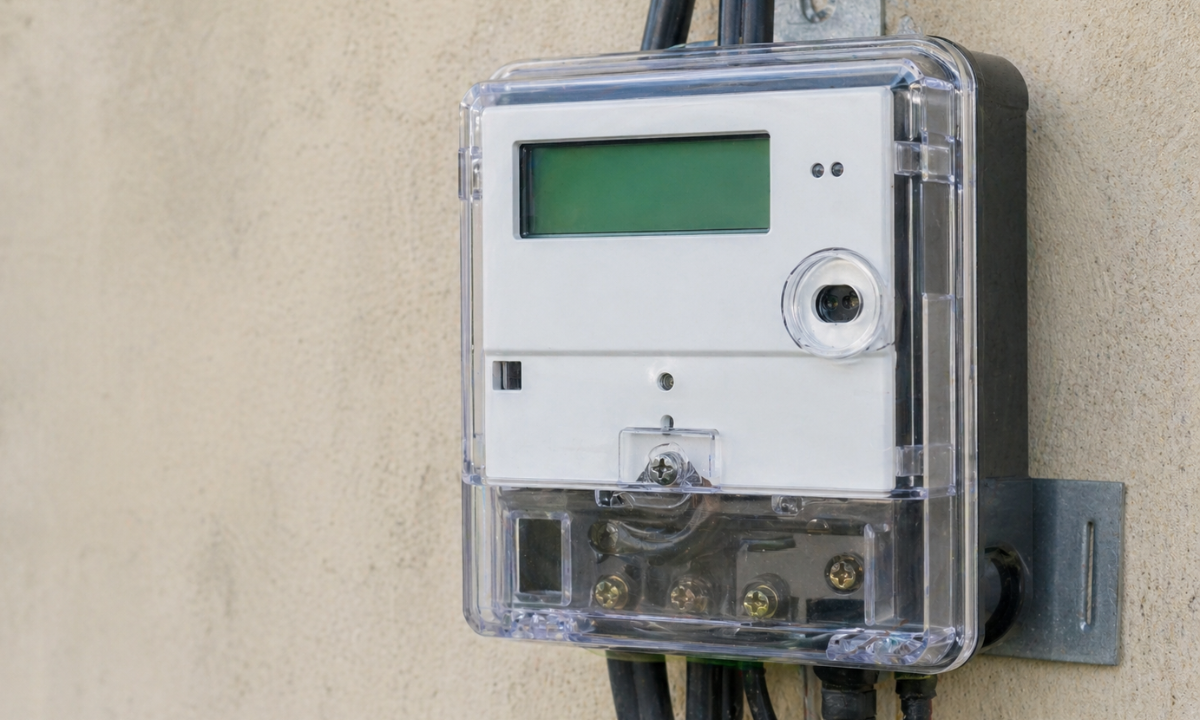
Digital meters are now standard across most Indian households and businesses. They use electronic circuits to measure energy consumption and display readings on an LCD or LED screen.
Key Features:
- High precision and reliable readings
- Tamper-resistant design to prevent manipulation
- Easy-to-read display with minimal human error
These meters not only improve billing accuracy but also provide better consistency over time, making them a cost-effective upgrade from analog systems.
3. Smart Meters
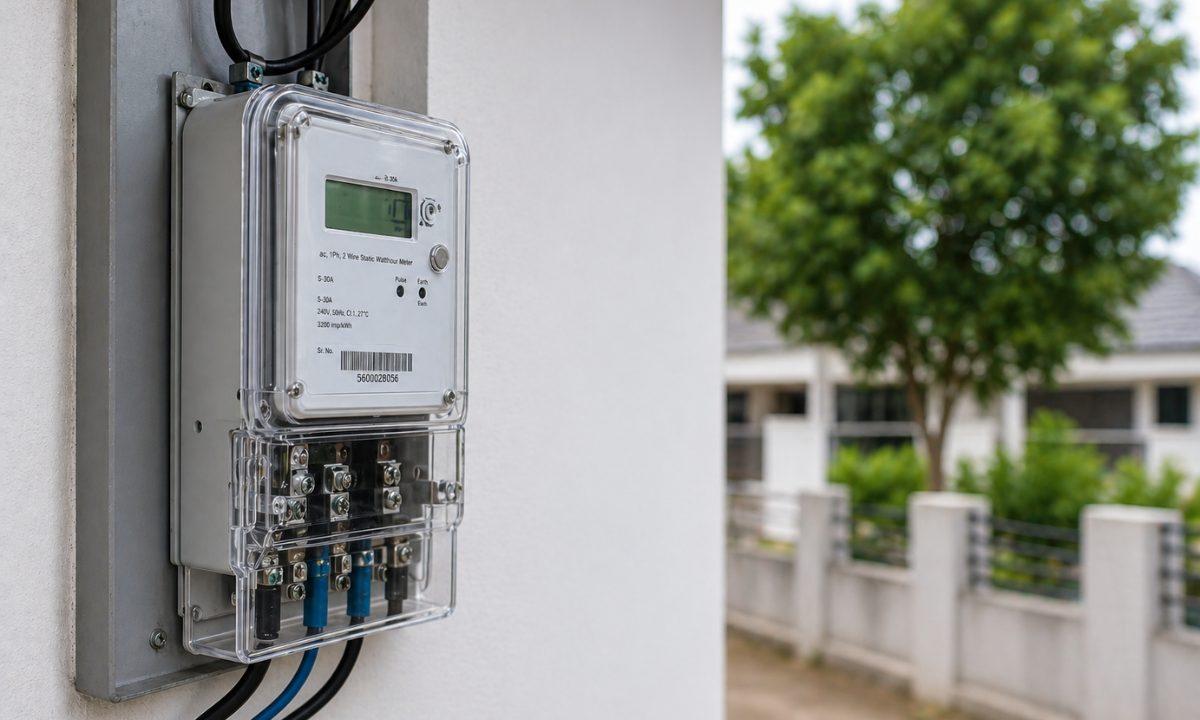
Smart meters are transforming the way electricity is consumed and monitored in India. These advanced devices enable two-way communication between the consumer and the utility provider, allowing real-time data exchange.
Powerful Benefits:
- Real-time tracking of electricity usage
- Remote monitoring, billing, and disconnection
- Prepaid and postpaid compatibility
- Alerts for unusual or excessive consumption
Utilities are increasingly deploying smart meters to reduce commercial losses and improve operational efficiency. In fact, studies suggest they can reduce electricity wastage by up to 25%, making them a key component of India’s smart energy future.
4. Prepaid Energy Meters
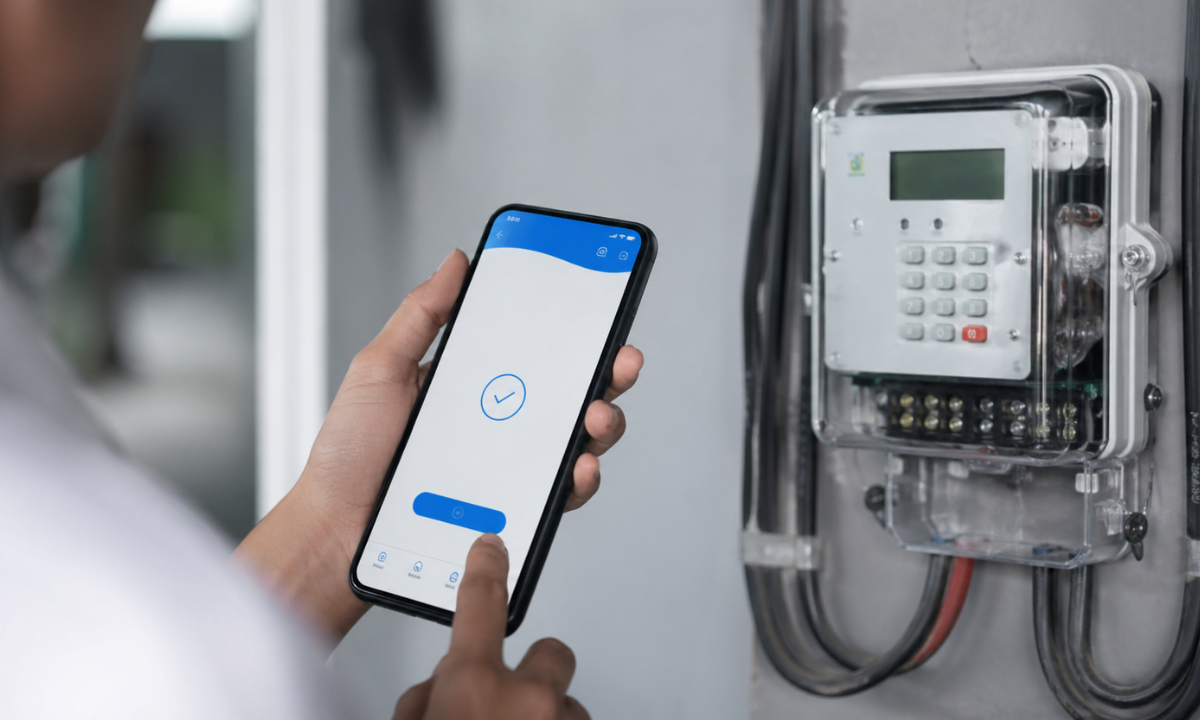
Prepaid meters allow consumers to pay for electricity in advance, similar to mobile recharge systems. This approach gives users more control over their energy expenses and consumption habits.
Advantages:
- Eliminates unexpected bills
- Helps users stay within a fixed budget
- Encourages mindful energy usage
These meters are particularly useful in rental properties, hostels, and shared accommodations where monitoring individual usage is important.
5. Net Meters (Solar Energy Meters)
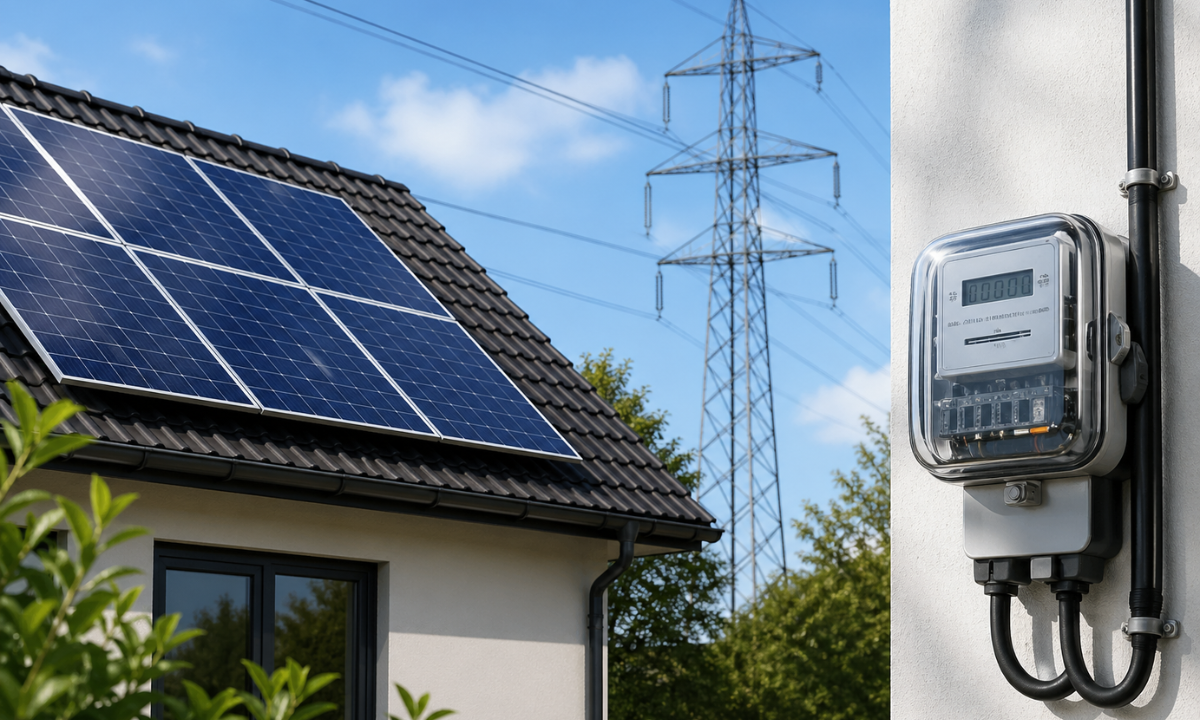
Net Metering is essential for homes and businesses using solar power systems. These meters measure both the electricity consumed from the grid and the surplus energy exported back to it.
How It Works:
| Component | Function |
|---|---|
| Solar Panels | Generate electricity from sunlight |
| Net Meter | Records import and export of energy |
| Utility Grid | Receives and redistributes excess power |
This system not only reduces electricity bills but also allows users to earn credits for excess energy, making solar investments more financially viable.
Advanced Features In Modern Energy Meters
Modern energy meters come equipped with innovative features that enhance usability and efficiency.
- AMR (Automated Meter Reading): Enables automatic data transmission, eliminating manual meter reading
- Tamper-Proof Systems: Detect and log any attempts at electricity theft or interference
- Remote Switching: Allows utilities to switch between prepaid and postpaid modes
- Time-of-Use Tariffs: Encourage users to shift consumption to off-peak hours for cost savings
These features make modern meters not just measurement tools but powerful energy management systems.
Role Of Secure Meter Technology
With rising energy demand and concerns about electricity theft, secure and reliable metering solutions are essential. Advanced technologies like Secure Meters ensure accurate readings and protect against tampering.
Manufacturers of Secure Energy Meters focus on building robust systems that improve transparency and reduce losses. For businesses and utilities, partnering with trusted Secure Meter Dealers in India ensures access to certified and high-performance equipment.
How To Choose The Right Energy Meter
Selecting the right meter requires careful consideration of your energy needs and usage patterns.
1. Load Requirement
- Choose single-phase for homes and small setups
- Opt for three-phase for industrial or high-load applications
2. Monitoring Needs
- Basic tracking → Digital meters
- Advanced analytics → Smart meters
3. Payment Preference
- Fixed billing → Postpaid systems
- Budget control → Prepaid meters
4. Renewable Energy Integration
- Solar systems require net metering for efficiency and savings
Quick Tip: Investing in a slightly advanced meter today can help you avoid costly upgrades in the future while improving energy efficiency.
Final Thoughts
Understanding the different types of energy meters is essential for making smarter energy decisions in today’s rapidly evolving power landscape. From traditional systems to intelligent smart technologies, each meter plays a unique role in improving efficiency, reducing costs, and supporting sustainability goals.
As India continues its shift toward renewable energy, working with trusted solar product distributors in India ensures access to advanced solutions and expert guidance. Companies like Sun AP Ecopower are leading this transformation by delivering reliable and future-ready energy solutions that empower consumers and businesses alike.
FAQs
1. Which energy meter is best for homes in India?
Digital or smart meters are considered the best options for homes in India due to their improved accuracy and convenience. Digital meters provide reliable readings with minimal errors, while smart meters go a step further by offering real-time tracking and usage insights. Homeowners can monitor consumption patterns, control expenses, and even receive alerts for unusual usage, making energy management more efficient and cost-effective.
2. What is the difference between single-phase and three-phase meters?
Single-phase and three-phase meters differ mainly in their load capacity and application. Single-phase meters are designed for residential use and small shops, handling lower electricity loads efficiently. In contrast, three-phase meters are used in commercial and industrial setups where power demand is higher. They ensure stable power distribution, support heavy machinery, and help maintain efficiency in high-load environments.
3. Are smart meters compulsory in India?
Smart meters are not yet compulsory across India, but their adoption is steadily increasing due to government initiatives. Programs like the Smart Meter National Programme aim to replace traditional meters with advanced systems for better efficiency and transparency. Many urban areas are already transitioning to smart meters, as they help reduce electricity losses, improve billing accuracy, and enable real-time monitoring for both consumers and utility providers.
4. Why is net metering important?
Net metering is important because it allows solar energy users to maximise the benefits of their investment. It enables households and businesses to export excess electricity generated by solar panels back to the grid and receive credits in return. This not only reduces electricity bills but also promotes renewable energy adoption, improves grid efficiency, and supports a more sustainable and environmentally friendly energy ecosystem.