Ever wondered why some solar users enjoy near-zero electricity bills while others don’t see the same savings? The answer often lies in net metering, a powerful policy that directly affects how much you actually save from your solar investment. When paired with the best solar inverter in India, this system can significantly maximize your returns and reduce dependency on traditional electricity.
But how does it really work in everyday life, beyond theory and technical jargon? Let’s break it down in a way that truly helps you understand and benefit from it.
Key Points at a Glance
- Net metering meaning: A billing mechanism that credits solar users for excess electricity sent to the grid
- Helps reduce electricity bills by 30% to 90%, depending on usage patterns
- Works best with a net metering solar system connected to the grid
- Requires a proper net metering connection from your DISCOM
- Savings depend on system size, usage timing, and export units
- Choosing the right solar inverter for an on-grid setup is crucial
- Understanding net metering price structures helps optimise ROI
What is Net Metering and Why It Matters
Let’s first simplify the meaning of net metering.
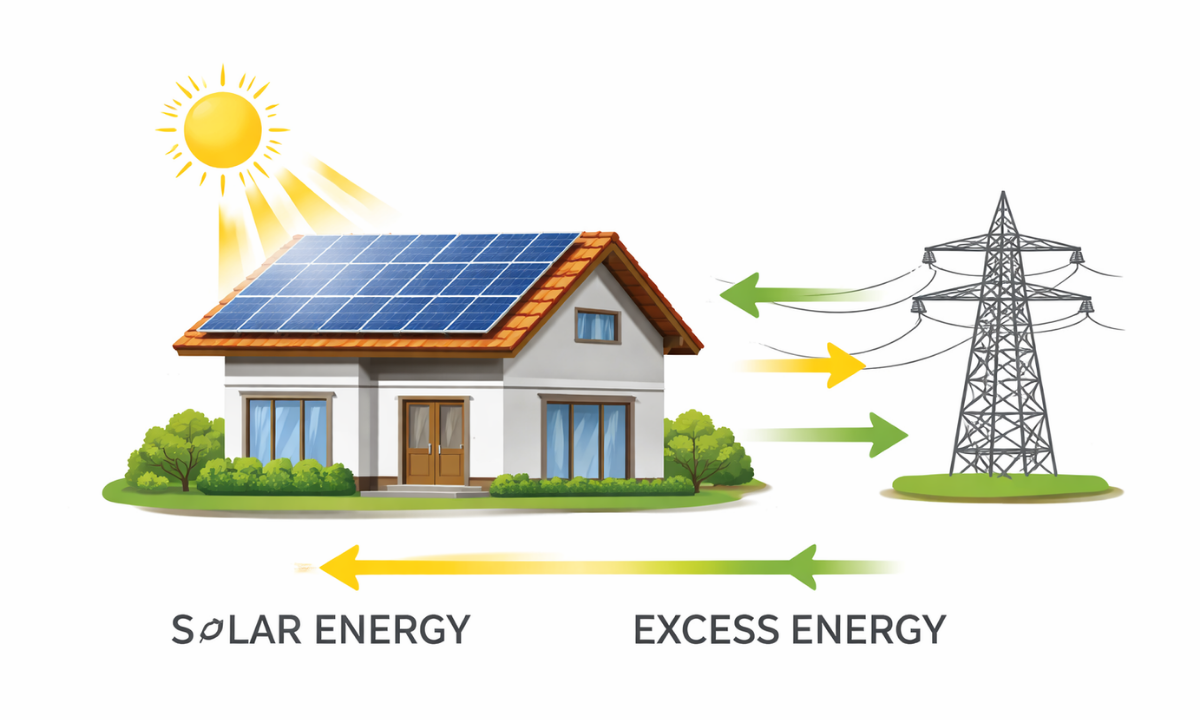
Net metering is a system where your solar panels generate electricity during the day, and any unused power is sent back to the grid. In return, your electricity provider gives you credits.
These credits offset the electricity you consume at night or when solar production is low. This means you only pay for the “net” energy used, hence the name.
How Net Metering Solar Works in Real Life
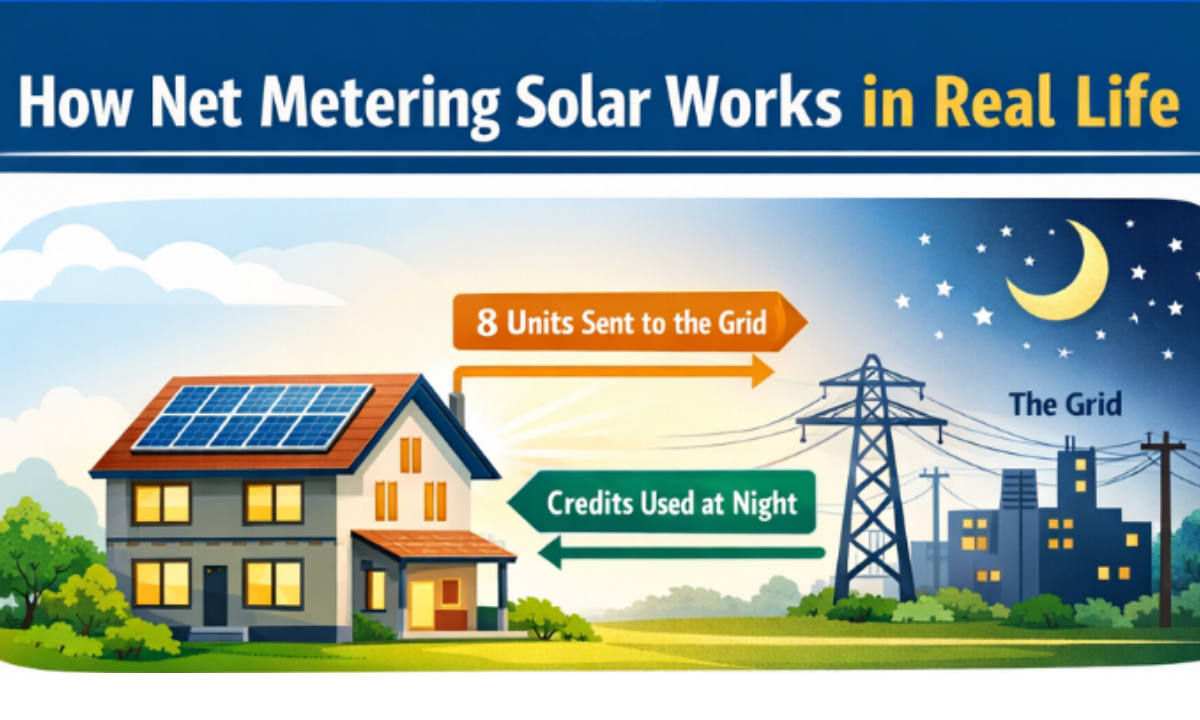
Imagine your home generates 20 units of electricity during the day but only uses 12 units.
- 8 units go back to the grid
- You earn credits for those 8 units
- At night, when you use electricity, those credits reduce your bill
Real-Life Scenario Table
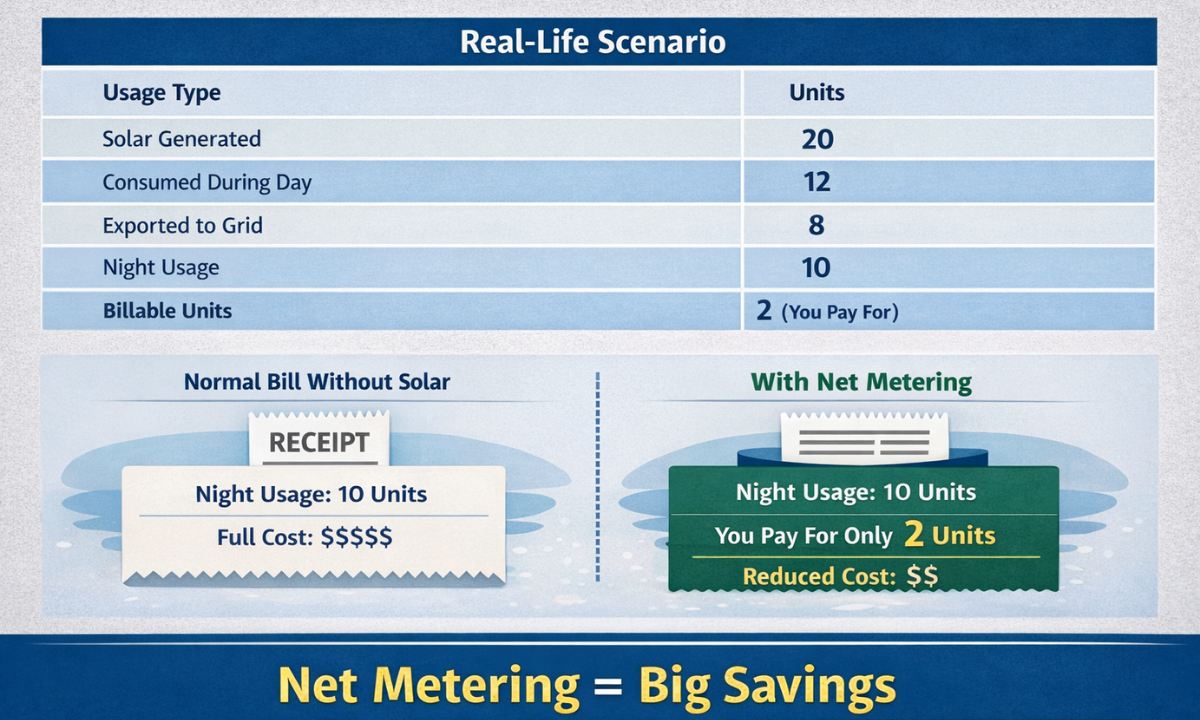
| Usage Type | Units |
|---|---|
| Solar-Generated | 20 |
| Consumed During Day | 12 |
| Exported to Grid | 8 |
| Night Usage | 10 |
| Billable Units | 2 |
Instead of paying for 10 units at night, you pay only for 2 units.
This is where net metering solar truly transforms your savings.
The Role of a Net Metering Solar System
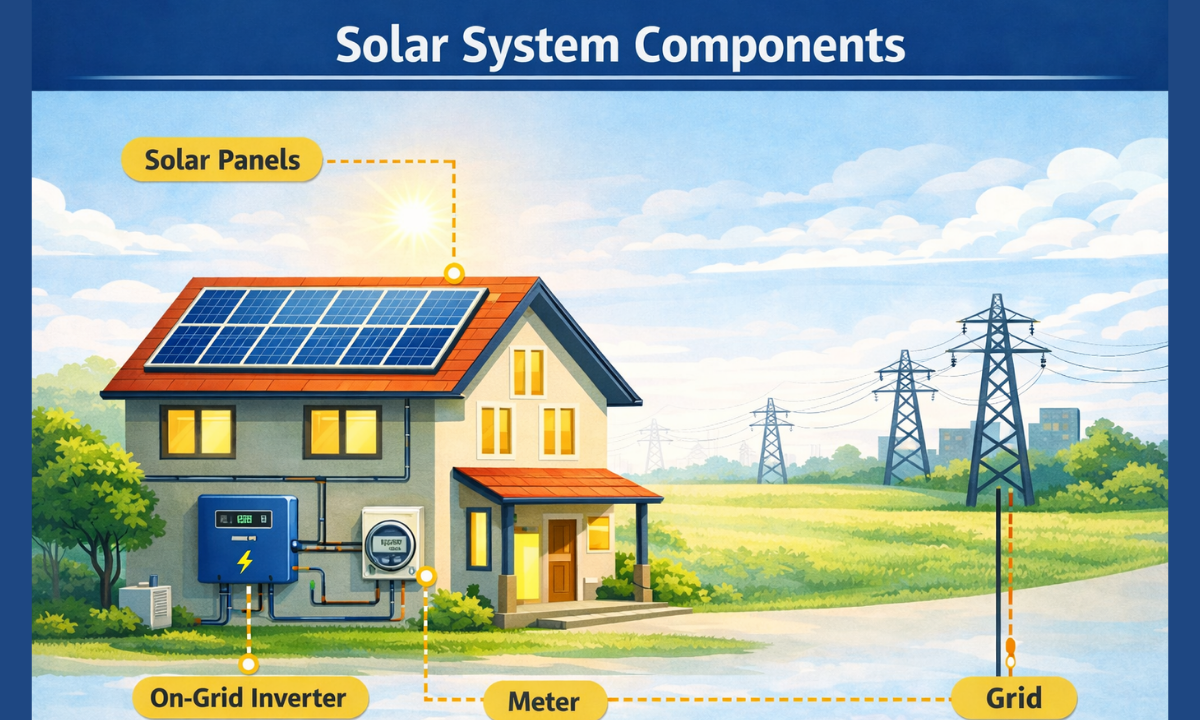
A net metering solar system is specifically designed to connect with the grid, allowing your home or business to both consume and export electricity efficiently. It ensures that the energy you generate is utilized smartly rather than wasted.
It includes:
- Solar panels
- An on-grid solar inverter
- A bidirectional meter
- Grid connection
The solar panels generate electricity during the day, while the inverter converts it into usable power and synchronises it with the grid. At the same time, the bidirectional meter records both the electricity you consume and the surplus you send back.
Unlike off-grid systems, this setup ensures no energy goes to waste. Every extra unit generated becomes a financial advantage, as it gets credited to your account and reduces future electricity costs, making your solar investment far more rewarding over time.
Why Your Solar Inverter Matters
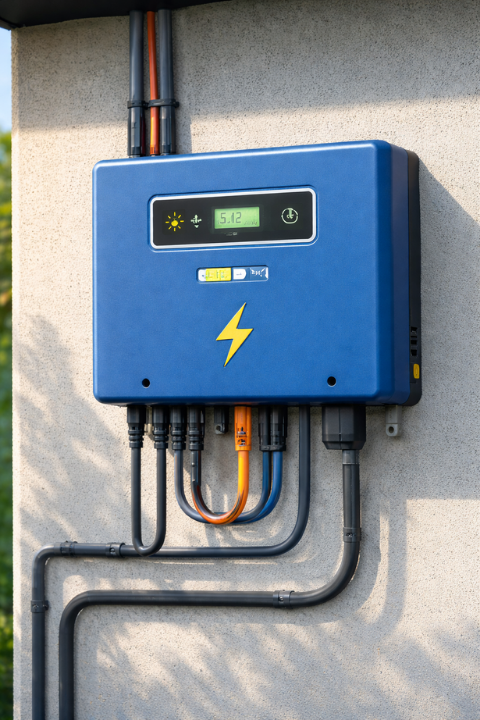
Not all inverters deliver the same performance.
An on-grid solar inverter converts DC electricity from panels into usable AC power and synchronizes it with the grid. It also tracks energy export and import accurately.
Key Benefits of Choosing the Right Inverter:
- Better energy conversion efficiency (up to 98%)
- Real-time monitoring of savings
- Seamless grid synchronisation
- Compliance with DISCOM requirements
This is why investing in the best solar inverter in India is not just a technical choice; it’s a financial decision.
Understanding Net Metering Connection
Getting a net metering connection involves approval from your local electricity board (DISCOM), and it is a crucial step to start receiving credits for the excess solar energy you generate. While the process may seem technical at first, it is fairly structured and designed to ensure safety, accuracy, and proper integration with the grid.
Typical Steps:
1. Apply for grid connection: Submit an application to your DISCOM requesting net metering, along with basic details of your property and electricity connection.
2. Submit the system design and capacity: Provide technical specifications of your solar setup, including system size, layout, and inverter details, to ensure it meets regulatory guidelines.
3. Install a solar system: Once initial approval is granted, your solar system is installed by certified professionals following safety and quality standards.
4. Meter installation and inspection: A bidirectional meter is installed to track both import and export of electricity, followed by an inspection by DISCOM officials to verify compliance.
5. Final approval and activation: After a successful inspection, the system is approved and activated, allowing you to start exporting excess power and earning credits.
While the process may take a few weeks, depending on your location and documentation, completing it correctly ensures smooth operation, accurate billing, and maximum savings from your solar investment over the long term.
Net Metering Price: What You Actually Pay
The net metering price structure varies across states in India.
However, the general idea remains:
- You are billed only for net consumption
- Exported units are credited at a predefined rate
- Some states allow carry-forward of credits
Example Pricing Insight:
| Parameter | Value (Example) |
|---|---|
| Grid Electricity Rate | ₹8/unit |
| Export Credit Rate | ₹6–₹8/unit |
| Monthly Savings | Up to 70% |
Over a year, this can lead to ₹30,000–₹1,00,000 savings depending on system size.
Factors That Impact Your Real Savings
Even with net metering, your actual savings can vary based on several practical factors. Understanding these can help you optimize your system and get the maximum return on investment from your solar setup.
1. System Size
A larger system generates more electricity, which means higher chances of exporting excess power to the grid and earning credits. However, oversizing beyond your consumption may not always yield proportional benefits due to policy limits, so choosing the right-sized system is key.
2. Daytime Usage
The more electricity you use during daylight hours, the more solar power you consume directly. This reduces your dependence on grid electricity and maximizes immediate savings, especially if you run appliances like ACs, washing machines, or office equipment during the day.
3. State Policies
Net metering regulations differ across states in terms of system size limits, credit rates, and billing cycles. Some states allow credit carry-forward, while others settle monthly, which can directly impact how much you save over time.
4. Equipment Quality
High-quality components, especially the inverter, ensure better efficiency, durability, and accurate energy tracking. A reliable system can improve performance by 5–10% annually, which adds up significantly over the system’s lifetime.
By aligning these factors with your energy needs and local regulations, you can unlock the full financial potential of your solar investment.
Common Mistakes to Avoid
Many homeowners miss out on full benefits due to avoidable mistakes.
1. Installing undersized systems: Choosing a smaller system than your actual energy needs limits generation, reducing potential savings and future scalability.
2. Ignoring inverter quality: A low-quality inverter can lead to poor energy conversion and inaccurate tracking, directly affecting your overall efficiency and savings.
3. Not understanding billing cycles: Lack of clarity on how credits are calculated or carried forward can result in missed opportunities to maximize your bill reductions.
4. Delaying net metering approvals: Postponing the application process delays your ability to export excess power and start earning credits from day one.
A well-planned system can increase savings by 20–30% instantly.
Smart Tips to Maximise Solar Savings
- Use heavy appliances during the daytime
- Monitor your system regularly
- Choose high-efficiency inverters
- Apply for net metering early
- Consider future expansion needs
Final Thoughts
In real life, net metering is what transforms solar from a good investment into a high-return, cost-saving powerhouse. It ensures that every unit your system generates is either used or monetised, leaving no room for waste.
When combined with the Best solar inverter in India, your savings become more predictable, measurable, and maximised. If you are planning to buy solar products online or install a solar system, make sure your setup supports net metering from day one.
With the right planning and expert support from Sun AP Ecopower, you can unlock the true potential of solar energy and take full control of your electricity expenses.
FAQs on Net Metering
1. Is net metering available everywhere in India?
Net metering is available in most Indian states, but the rules, system size limits, and approval processes differ depending on local DISCOM policies. Some states offer more favorable terms, like higher capacity limits or better credit systems. Therefore, it’s important to check your state’s latest regulations to understand how much benefit you can actually receive.
2. Can I earn money from excess electricity?
In certain states, excess electricity exported to the grid can be monetized, either through direct payment or adjusted in future bills. However, many regions follow a credit-based system where unused units are carried forward instead of being paid out. The exact benefit depends on your state’s net metering policy and billing structure.
3. What happens during a power cut?
During a power cut, a standard on-grid solar system automatically shuts down for safety reasons to prevent electricity from flowing back into the grid. This protects maintenance workers and equipment. However, if your system includes battery backup or a hybrid inverter, you can still use stored solar power during outages.
4. Is net metering worth it for small homes?
Yes, net metering is highly beneficial even for small homes, as it allows you to offset electricity bills by using and exporting solar energy efficiently. Even a modest system can lead to noticeable savings over time. With rising electricity costs, it becomes a smart long-term investment for households of all sizes.