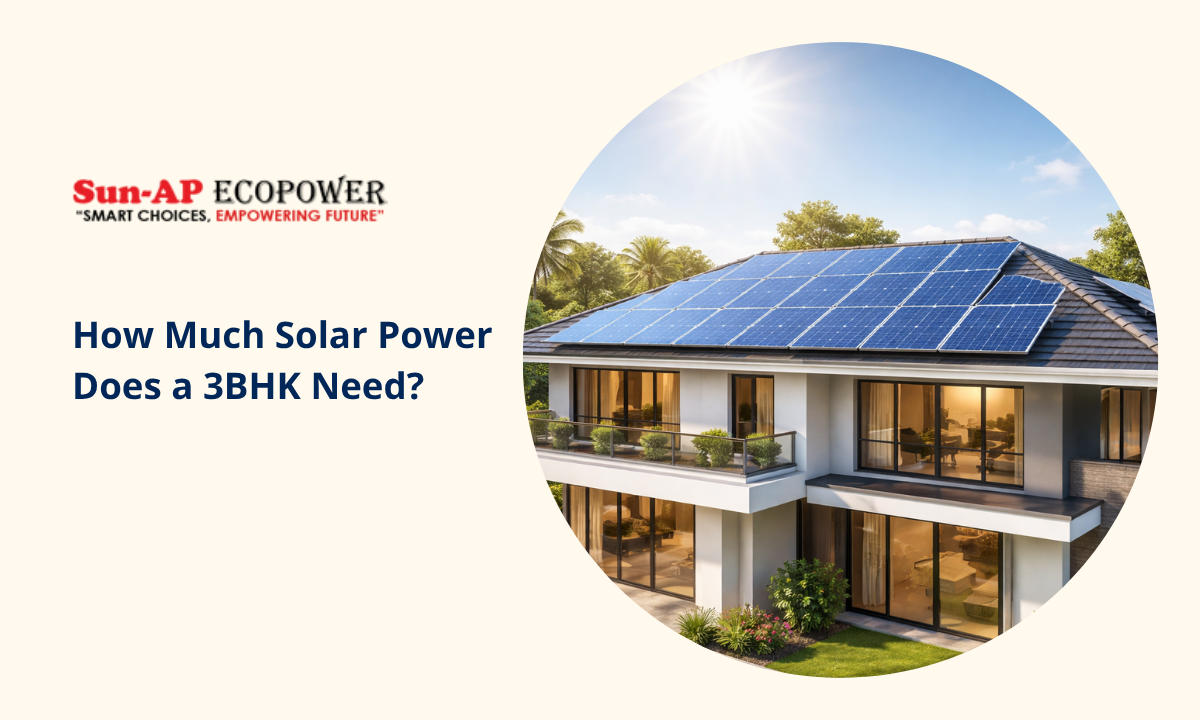
Most homes in India require between 2 kW and 5 kW of solar panel capacity. A home with 2–3 fans, 5–6 lights, a television and a refrigerator needs approximately 2–3 kW. Add a single 1.5 tonne AC and the requirement rises to 3–4 kW. Two ACs raise it to 5–6 kW. The exact size depends on your monthly electricity consumption in units (kWh).
Are you wondering how much solar power is actually enough to run a comfortable 3BHK home without overpaying or underestimating your needs? With rising electricity bills and growing awareness about sustainability, many homeowners are exploring solar power for homes as a smart, long-term investment.
Choosing the right system, including the best solar inverter in India, can make a huge difference in efficiency and savings.
But here’s the catch: every home is different, and the “right” solar setup depends on multiple factors you might not have considered yet.
How Much kW Solar Panel Is Required for Home — Quick Reference
| Home Type | Typical Appliances | kW Required | System Type |
|---|---|---|---|
| 1 BHK / Studio | 2 fans, 4 lights, TV, fridge | 1–2 kW | On-grid |
| 2 BHK (no AC) | 3 fans, 6 lights, TV, fridge, washing machine | 2–3 kW | On-grid |
| 2 BHK (1 AC) | Above + 1 × 1.5T AC | 3–4 kW | On-grid or Hybrid |
| 3 BHK (no AC) | 4 fans, 8 lights, TV, fridge, washing machine | 3–4 kW | On-grid |
| 3 BHK (1 AC) | Above + 1 × 1.5T AC | 4–5 kW | On-grid or Hybrid |
| 3 BHK (2 AC) | Above + 2 × 1.5T AC | 5–6 kW | Hybrid |
| 3 BHK (3 AC) | Above + 3 × 1.5T AC | 7–8 kW | Hybrid |
| 4–5 BHK (2–3 AC) | Full luxury home | 8–10 kW | Hybrid |
Key Points at a Glance
- A typical 3BHK home in India consumes 300–600 units/month
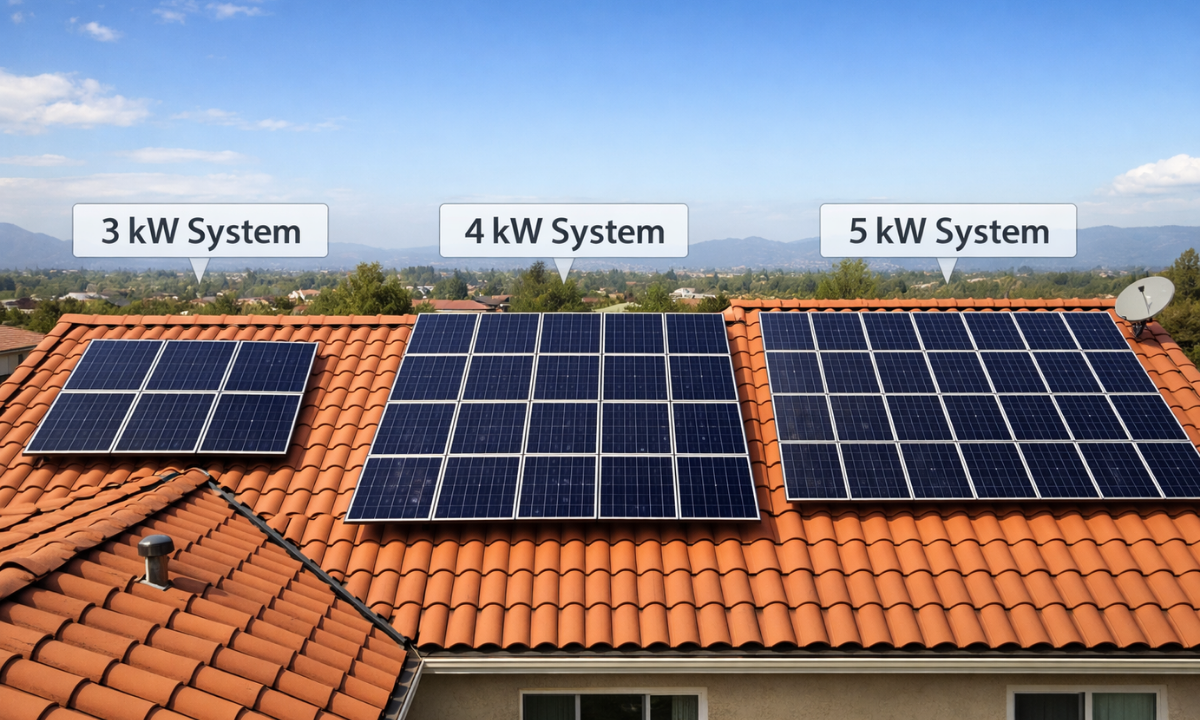
- You generally need a 3 kW to 5 kW solar system
- Appliance usage and lifestyle significantly impact requirements
- Choosing between an on-grid solar inverter, a hybrid solar inverter, or an off-grid solar inverter is crucial
- Solar solutions like Solar power water heater and Solar power lights for the home can reduce the load
- Government subsidies can reduce installation costs by up to 40%
- Proper planning ensures ROI within 4–6 years
Is 3kW Solar Panel Enough for a Home in India?
Yes — a 3kW solar system is sufficient for most Indian homes without AC or with one small AC unit used moderately.
A 3kW solar system in India generates:
- 12–15 units (kWh) of electricity per day on average
- 360–450 units per month
- This covers a monthly electricity bill of ₹3,000–₹5,000 depending on your DISCOM tariff
3kW is sufficient if your home has:
- Up to 3–4 fans running simultaneously
- 6–8 LED lights
- One refrigerator
- One television
- One washing machine
- Occasional use of one 1 tonne AC
3kW is NOT sufficient if your home has:
- Two or more 1.5 tonne ACs running simultaneously
- A water heater / geyser used regularly
- A water pump above 0.5 HP
- Heavy cooking appliances
For homes with 2+ ACs — a 5kW system is the minimum recommended capacity.
Understanding Power Consumption in a 3BHK Home
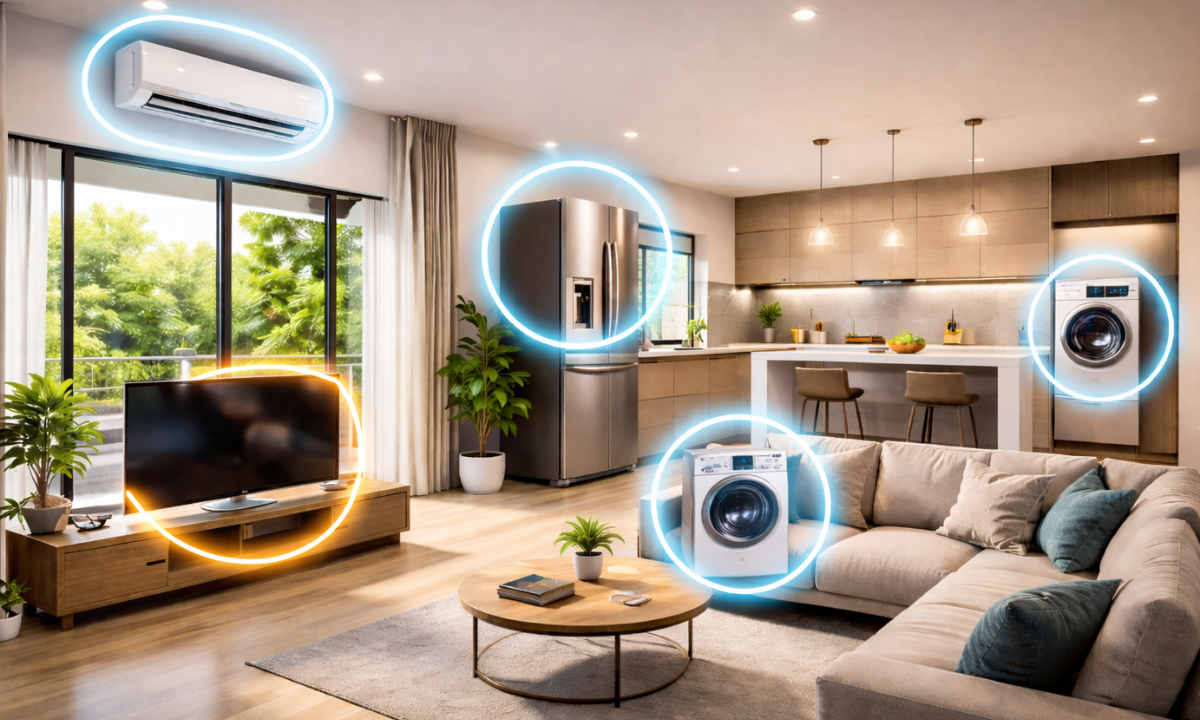
Before installing Solar power at home, it’s important to understand your electricity usage. A typical Indian 3BHK includes:
- 3 bedrooms
- Living room
- Kitchen
- 2–3 bathrooms
Average Monthly Consumption Table
| Appliance | Units per Month |
|---|---|
| Air Conditioner (1–2) | 120–250 |
| Refrigerator | 30–50 |
| Washing Machine | 15–30 |
| Lights & Fans | 50–100 |
| TV & Electronics | 30–60 |
| Kitchen Appliances | 50–80 |
| Total | 300–600 units |
Insight: The more ACs and heavy appliances you use, the higher your solar requirement.
How Much kW Solar Panel Is Required for Home with 3 AC?
Running 3 air conditioners on solar requires careful capacity planning. Here is the calculation:
| Appliance | Power (Watts) | Daily Hours | Daily Units |
|---|---|---|---|
| 1.5T AC × 3 units | 1,500W × 3 = 4,500W | 6 hours | 27 units |
| Refrigerator | 150W | 24 hours | 3.6 units |
| Fans × 4 | 75W × 4 = 300W | 12 hours | 3.6 units |
| Lights × 8 | 10W × 8 = 80W | 8 hours | 0.64 units |
| TV + misc | 200W | 6 hours | 1.2 units |
| Total daily | 36 units |
To generate 36 units/day in India — you need approximately 7–8 kW of solar panel capacity (accounting for 4–5 peak sun hours in most Indian cities and 80% system efficiency).
Recommended system for 3 AC home:
- Solar panels: 7 kW – 8 kW
- Inverter: 7.5 kW – 10 kW hybrid
- Battery (optional): 10 kWh – 15 kWh lithium for backup
Contact Sun AP Ecopower at +91 88844 90100 for a load assessment and exact system recommendation for your home.
3kW Solar Panel — How Many Batteries Are Required?
The number of batteries required depends on whether you need backup power during power cuts and for how many hours.
For a 3kW on-grid system (no battery): Zero batteries required. On-grid systems feed directly into the grid and draw from it when solar generation is insufficient. This is the most affordable option but provides no backup during power cuts.
For a 3kW hybrid system with battery backup:
| Backup Duration Required | Battery Capacity Needed | Approximate Battery Cost |
|---|---|---|
| 2–3 hours backup | 5 kWh lithium battery | ₹40,000–₹60,000 |
| 4–6 hours backup | 10 kWh lithium battery | ₹80,000–₹1,20,000 |
| 8–10 hours backup | 15 kWh lithium battery | ₹1,20,000–₹1,80,000 |
Note on lead acid batteries: If using older lead acid batteries (tubular or VRLA) rather than lithium — you need approximately 2x the capacity to get the same usable energy due to lower depth of discharge.
For most Indian homes with 3 kW solar and 2–4 hour backup requirement — one 10 kWh lithium battery (Feston or DEYE) is the standard recommendation. See Sun AP Ecopower’s lithium battery range.
Cost of Solar Panels for a 3 Bedroom House in India 2026
| System Size | Total Cost (Before Subsidy) | PM Surya Ghar Subsidy | Net Cost After Subsidy |
|---|---|---|---|
| 2 kW | ₹80,000–₹1,00,000 | ₹60,000 | ₹20,000–₹40,000 |
| 3 kW | ₹1,20,000–₹1,50,000 | ₹78,000 | ₹42,000–₹72,000 |
| 4 kW | ₹1,60,000–₹2,00,000 | ₹78,000 | ₹82,000–₹1,22,000 |
| 5 kW | ₹2,00,000–₹2,50,000 | ₹78,000 | ₹1,22,000–₹1,72,000 |
What is included in the cost: Solar panels + inverter + mounting structure + DC/AC cables + installation + BESCOM net metering application
Typical ROI: A 3kW system saving ₹3,000–₹4,000/month on electricity bills recovers the net cost of ₹42,000–₹72,000 in 12–24 months.
Get a free quote for your home — call +91 88844 90100
Factors That Influence Your Solar Requirement
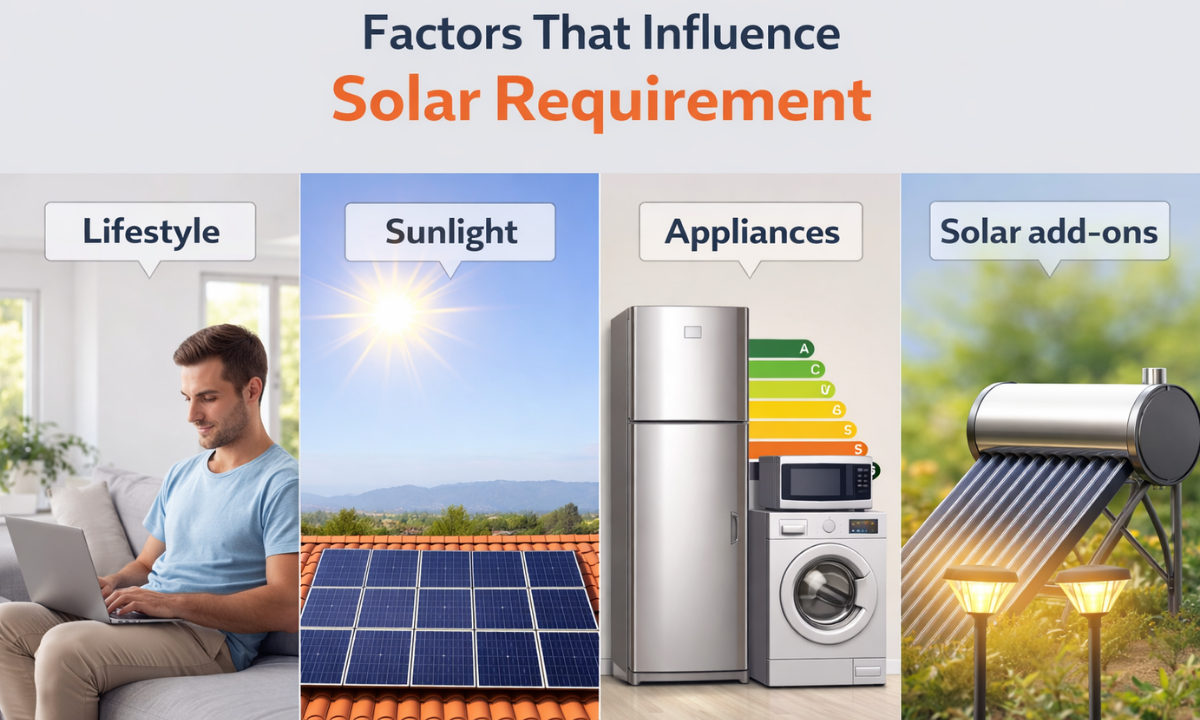
Not all 3BHK homes are the same. Your daily habits, location, and appliance choices directly impact how much Solar power you actually need. Understanding these factors helps you avoid oversizing or undersizing your system, ensuring better efficiency and cost savings.
1. Lifestyle & Usage
If you work from home or run appliances throughout the day, your electricity consumption naturally increases. Homes with multiple ACs, geysers, and entertainment devices will require a higher solar capacity.
2. Location & Sunlight
Cities with more sunlight (like Bangalore, Hyderabad, and Chennai) generate more solar energy throughout the year. Roof direction, shading from nearby buildings, and seasonal weather also play a crucial role in performance.
3. Appliance Efficiency
Energy-efficient appliances like inverter ACs, LED lights, and 5-star-rated refrigerators consume less electricity. This means you can install a smaller solar system while still meeting your needs.
4. Additional Solar Solutions
Using a solar power water heater or solar power lights for the home can significantly reduce your overall electricity load. These additions lower dependency on your main solar system and improve overall savings.
Types of Solar Inverters: What Should You Choose?
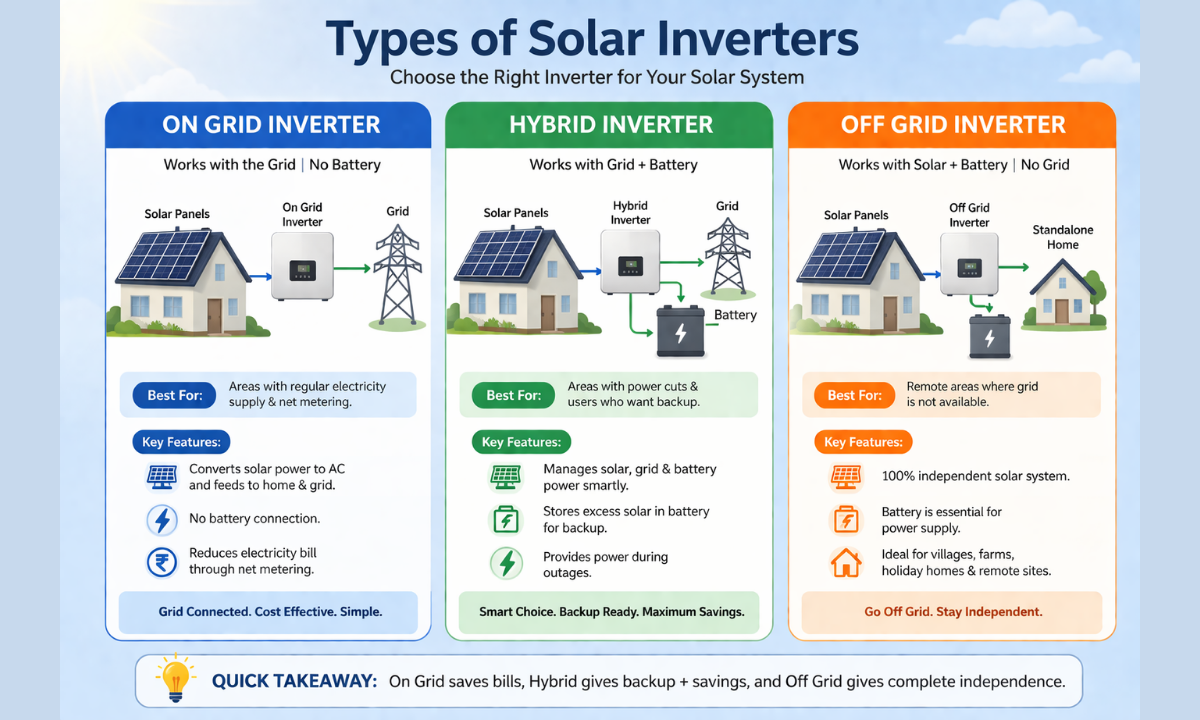
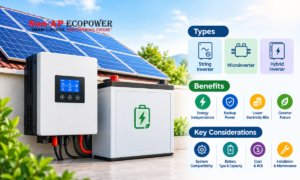
Choosing the right inverter is critical for performance and reliability because it converts the solar energy generated into usable electricity for your home. The right type of solar inverter not only improves efficiency but also determines how well your system performs during power cuts and peak usage hours.
1. On-Grid Solar Inverter
- Connected to the main electricity grid
- No battery required
- Most cost-effective
- Ideal for urban homes
On-grid inverters are best for homeowners looking to reduce electricity bills and take advantage of net metering, where excess power can be sent back to the grid.
2. Hybrid Solar Inverter
- Works with both grid and batteries
- Stores excess energy
- Provides backup during power cuts
Hybrid solar inverters are perfect for areas with frequent outages, as they ensure uninterrupted power while still allowing you to save on electricity bills.
3. Off-Grid Solar Inverter
- Completely independent system
- Requires batteries
- Higher cost but full energy independence
Off-grid inverters are suitable for remote areas with no grid connection, offering complete control over your power supply without relying on external electricity sources.
Cost Breakdown for a 3BHK Solar Setup
Understanding the cost of installing Solar power at home helps you plan your investment more effectively. The total expense depends on factors like system size, inverter type, panel quality, and installation complexity. While the upfront cost may seem high, government subsidies and long-term savings make it a highly cost-effective solution.
Here’s an approximate cost estimate:
| System Size | Cost Range (₹) | Subsidy Eligible |
|---|---|---|
| 3kW | 1.5 – 2.2 lakh | Yes |
| 4kW | 2.2 – 3 lakh | Yes |
| 5kW | 3 – 4 lakh | Yes |
With subsidies, you can save up to ₹60,000–₹1,20,000.
Smart Add-ons to Reduce Your Solar Load
You don’t always need a bigger system; sometimes you just need smarter solutions.
Consider Adding:
- Solar power water heater → Saves 20–30% electricity
- Solar power lights for home → Reduces daily load
- Energy-efficient appliances → Lowers system size
This approach helps you optimise cost and performance.
ROI: When Will You Break Even?
Let’s talk numbers.
- Average monthly bill: ₹4,000–₹8,000
- Annual savings: ₹50,000–₹1,00,000
- Payback period: 4–6 years
- System lifespan: 20–25 years
That means 15+ years of FREE electricity.
Example Scenario: Real-Life Calculation
Imagine a family using 450 units/month.
- Required system: 4kW
- Cost after subsidy: ₹2.5 lakh
- Monthly savings: ₹5,000
Break-even time: ~4.5 years
After that, it’s pure savings.
Common Mistakes to Avoid
- Underestimating energy consumption
- Choosing the wrong inverter type
- Ignoring the roof space and direction
- Not planning for future usage
Always consult experts before installation.
Tips to Maximize Your Solar Efficiency
- Install panels facing south direction
- Keep panels dust-free
- Use LED lights and efficient appliances
- Monitor performance regularly
- Choose a reliable vendor when you buy solar products online
Final Thoughts
Switching to Solar power is no longer a luxury; it’s a necessity for smart homeowners who want long-term savings and energy independence. By understanding your usage, choosing the right system size, and investing in the best solar inverter in India, you can maximise efficiency and ROI.
If you are planning to upgrade your home with solar, trusted providers like Sun AP Ecopower can guide you with tailored solutions that match your exact needs. The future of energy is here. Are you ready to power your 3BHK home the smarter way?
FAQs
How much kW solar panel is required for a home in India?
Most Indian homes require between 2 kW and 5 kW of solar capacity. The exact requirement depends on your monthly electricity consumption and the number of appliances — particularly AC units. A simple calculation: divide your average monthly units consumed by 30 (days) then by 4 (peak sun hours in India) to get your approximate kW requirement. For example, if you consume 300 units/month: 300 ÷ 30 ÷ 4 = 2.5 kW system needed.
Is 3kW solar panel enough for a home in India?
A 3kW solar system generates 12–15 units per day — sufficient for a home consuming up to 360–450 units/month. This covers most 2–3 bedroom Indian homes with fans, lights, refrigerator, television, and one air conditioner used moderately. If you run two or more 1.5 tonne ACs simultaneously or have heavy power consumption above 500 units/month — a 5kW or larger system is recommended.
How much kW solar panel is required for a home with 3 ACs?
A home running 3 × 1.5 tonne air conditioners alongside standard appliances typically requires 7–8 kW of solar capacity. Three ACs running 6 hours daily consume approximately 27 units — plus 9–10 units for other appliances — totalling 36+ units/day. To generate this consistently in India’s 4–5 peak sun hours — 7 kW to 8 kW of panels is the minimum recommendation..
How many batteries are required for a 3kW solar system?
A 3kW on-grid solar system requires zero batteries — it works without storage. For backup during power cuts, one 10 kWh lithium battery provides 4–6 hours of backup for typical loads (fans, lights, refrigerator — no AC). If you want to run one AC on battery backup, a 15 kWh battery is recommended. Sun AP Ecopower supplies Feston and DEYE lithium batteries matched to your system size.
What is the cost of solar panels for a 3 bedroom house in India?
A complete 3kW solar system for a 3 bedroom Indian home costs ₹1,20,000–₹1,50,000 before subsidy. After PM Surya Ghar Muft Bijli Yojana subsidy of ₹78,000 — the net cost is ₹42,000–₹72,000. This includes panels, inverter, mounting structure, cables, and installation. Call Sun AP Ecopower at +91 88844 90100 for a project-specific quote including BESCOM net metering application support in Bangalore.
How many solar panels are needed for a 3kW system in India?
A 3kW solar system in India typically uses 7–10 solar panels depending on panel wattage. Using 400W panels — 3000W ÷ 400W = 7.5 panels — so 8 panels are needed. Using 370W panels — 3000W ÷ 370W = 8.1 panels — so 9 panels are needed. Each panel requires approximately 2 square metres of roof space — so a 3kW system needs 14–18 square metres of unshaded roof area.