When we start thinking about switching to solar, one of the first things we consider is installing an on-grid solar system that can help us reduce electricity bills while staying connected to the utility grid.
Today, with advanced technologies like the Sungrow solar inverter and the growing demand for the best solar inverter in India, going solar has become easier and more efficient than ever. But the real question is, are the conditions at our home or building ideal for installation?
Let’s explore what truly makes a solar setup successful and how we can make the most of it.
Key Points to Remember
- An on-grid solar system works best when there is consistent sunlight
- Proper Rooftop solar space is essential for maximum efficiency
- Correct Space orientation ensures better power generation
- A high-quality Solar inverter improves overall system performance
- Net metering allows us to save more by exporting extra power
- Choosing the right grid-tie solar inverter is crucial
- Weather conditions and shading play a major role
- Investing in the best solar inverter in India ensures long-term reliability
What Is an On-Grid Solar System?
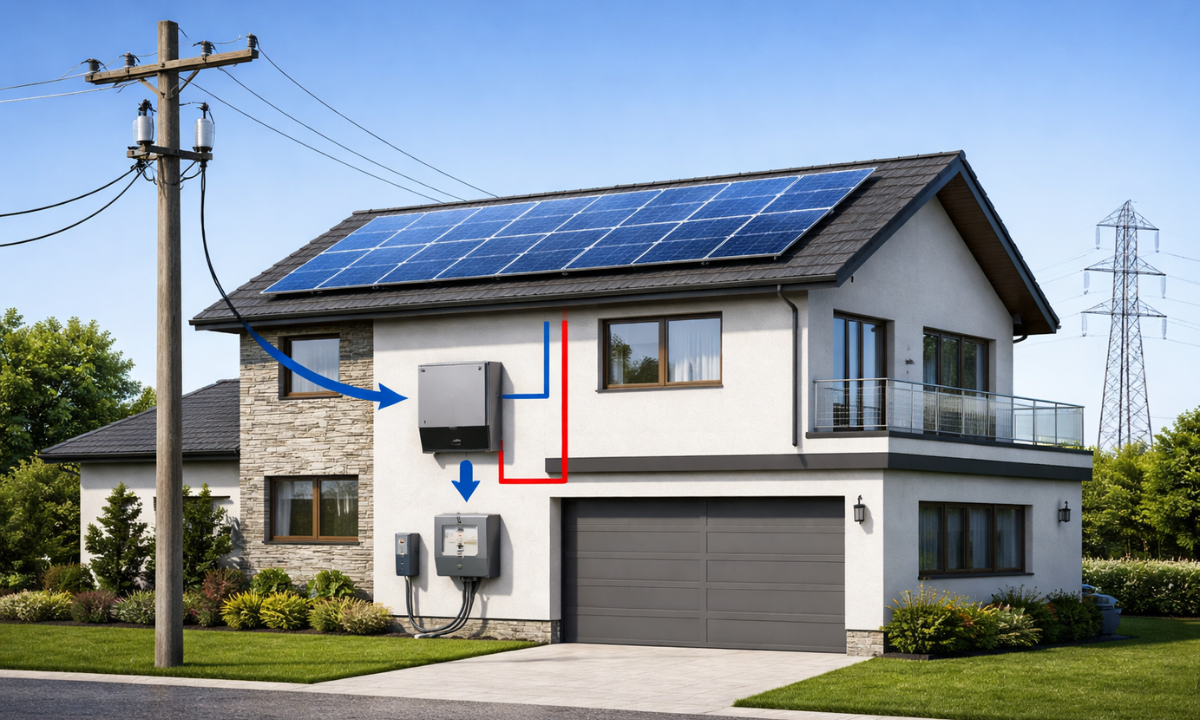
An on-grid solar system is connected directly to the electricity grid. This means we can use solar energy during the day and draw power from the grid when needed.
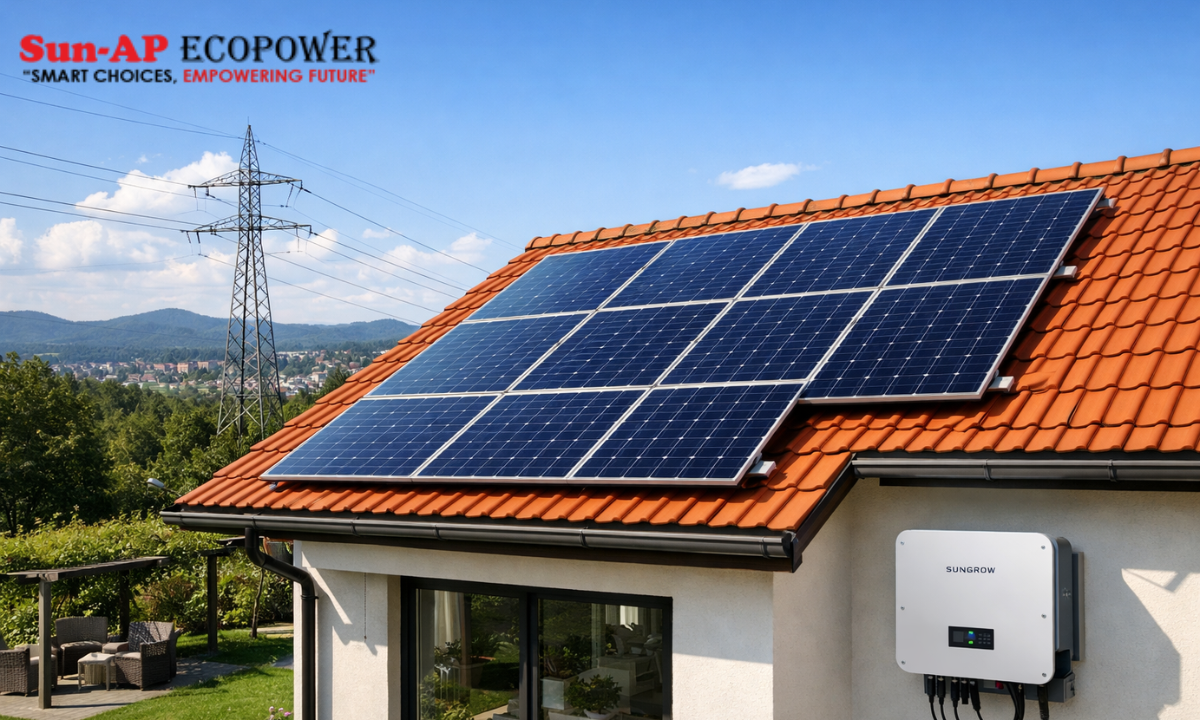
It uses a solar inverter on a grid setup to convert the electricity generated by panels into usable power. Any extra electricity can be sent back to the grid through Net metering.
Ideal Sunlight Conditions
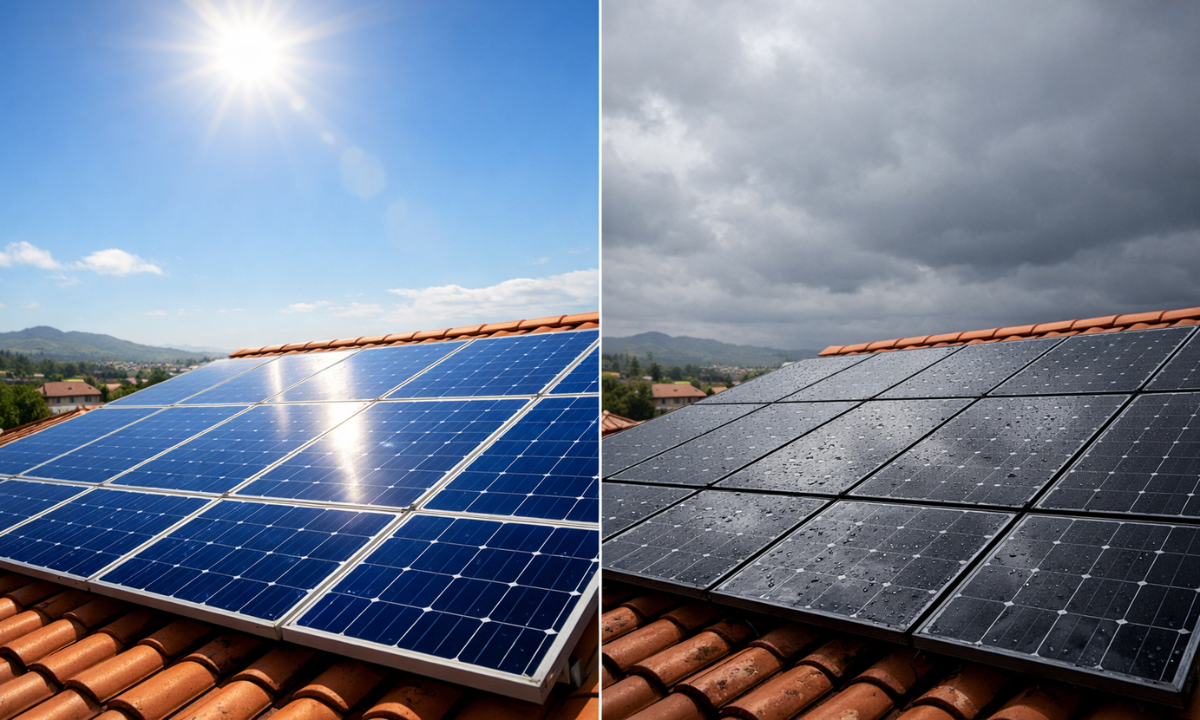
Sunlight is the most important factor when installing rooftop solar systems. The more sunlight our panels receive, the more electricity they generate.
Best sunlight conditions include:
| Condition | Why It Matters |
|---|---|
| 5–6 hours of direct sunlight | Ensures optimal energy generation |
| Minimal cloud cover | Improves consistency |
| No shading from trees/buildings | Prevents energy loss |
If our rooftop is shaded for most of the day, even the best solar inverter in India cannot compensate for the loss in power generation.
Importance of Rooftop Space
Before installing a Rooftop solar system, we need to evaluate how much space is available. Solar panels require a certain amount of area to generate sufficient electricity.
Space requirements:
| System Size | Approximate Area Needed |
|---|---|
| 1 kW | 80–100 sq ft |
| 3 kW | 250–300 sq ft |
| 5 kW | 400–500 sq ft |
A clean, clutter-free rooftop ensures easy installation and maintenance. It also helps in placing panels in the best possible position.
Correct Space Orientation
Space orientation plays a major role in determining how much sunlight the panels receive. In India, south-facing rooftops are considered ideal.
When panels are placed at the right angle and direction, they capture more sunlight throughout the day, improving overall energy generation. This also reduces dependency on the grid and helps the system perform more efficiently over time.
Ideal orientations:
- South-facing: Maximum sunlight throughout the day
- East/West-facing: Moderate performance
- North-facing: Least efficient
By focusing on proper space orientation, we can significantly improve the efficiency of our solar on-grid inverter system.
Choosing the Right Solar Inverter
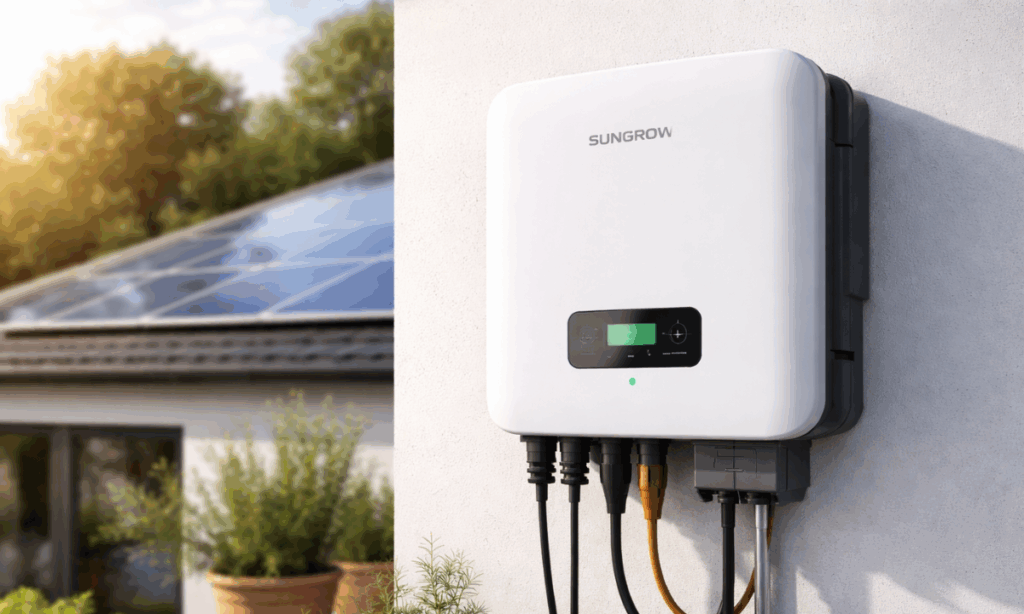
The Solar inverter is the heart of any solar power system. It converts DC electricity from panels into AC electricity used in homes.
Types of inverters for on-grid systems:
| Type | Description |
|---|---|
| On-grid solar inverter | Works with a grid connection |
| Grid-tie solar inverter | Sends excess power to the grid |
| Solar on-grid inverter | Designed for efficiency and safety |
Modern options like the Sungrow solar inverter are known for their durability and performance. Selecting the right solar inverter for the grid ensures better energy conversion and long-term savings.
Role of Net Metering
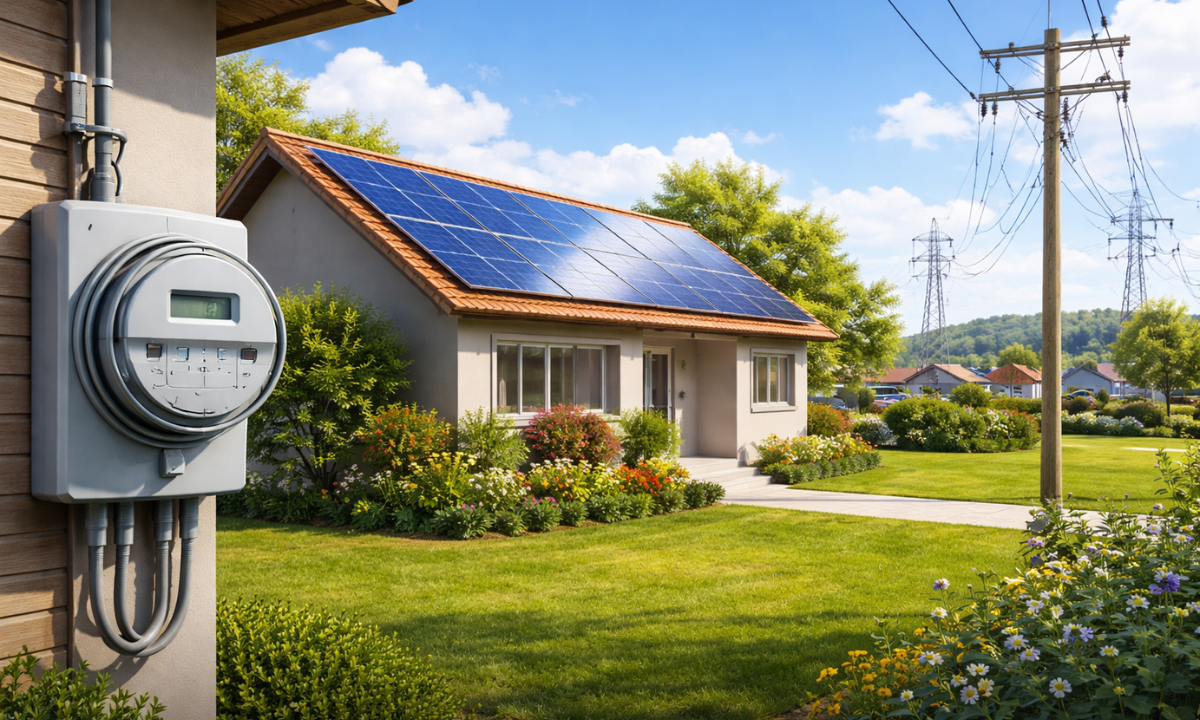
Net metering is one of the biggest advantages of installing an on-grid solar system. It allows us to send excess electricity back to the grid.
This means when our system generates more power than we need, it doesn’t go to waste but is instead credited to our account. Over time, this balance between usage and generation helps us maximise savings and improve return on investment.
Benefits of Net Metering:
- Reduces electricity bills
- Provides credits for extra power generated
- Makes solar investment more cost-effective
With proper Net metering, we only pay for the net electricity we consume, making solar even more beneficial.
Weather and Climate Considerations
While solar panels work even on cloudy days, ideal weather conditions can improve performance significantly.
Different environmental factors can either enhance or reduce the efficiency of our system, so it is important to understand how climate affects energy generation. By being aware of these factors, we can take simple steps to maintain consistent performance throughout the year.
Important factors:
| Factor | Impact |
|---|---|
| High temperatures | Slightly reduces efficiency |
| Dust and pollution | Blocks sunlight |
| Rain | Helps clean panels |
Regular cleaning and maintenance can help us maintain efficiency regardless of weather conditions.
Avoiding Shading Issues
Even partial shading can reduce the performance of an entire system. Shadows from trees, water tanks, or nearby buildings can impact electricity generation.
When even a small portion of a panel is shaded, it can affect the output of the entire string of panels, leading to noticeable energy loss. That is why identifying and addressing shading issues early during installation is very important.
Tips to avoid shading:
- Install panels at a higher elevation
- Trim nearby trees regularly
- Plan the panel layout carefully
A well-planned installation ensures that our grid-tie solar inverter operates at its full potential.
Structural Strength of the Roof

Before installing Rooftop solar panels, we must ensure that the roof is strong enough to support them.
Solar panels and mounting structures add extra weight, so the roof must be able to handle this load without any risk of damage. Checking the condition of the roof beforehand also helps us avoid future repair costs and ensures a safe installation process.
Things to check:
- Roof material (concrete is ideal)
- Load-bearing capacity
- Waterproofing condition
A strong structure ensures the safety and long-term durability of the system.
Ease of Installation and Accessibility
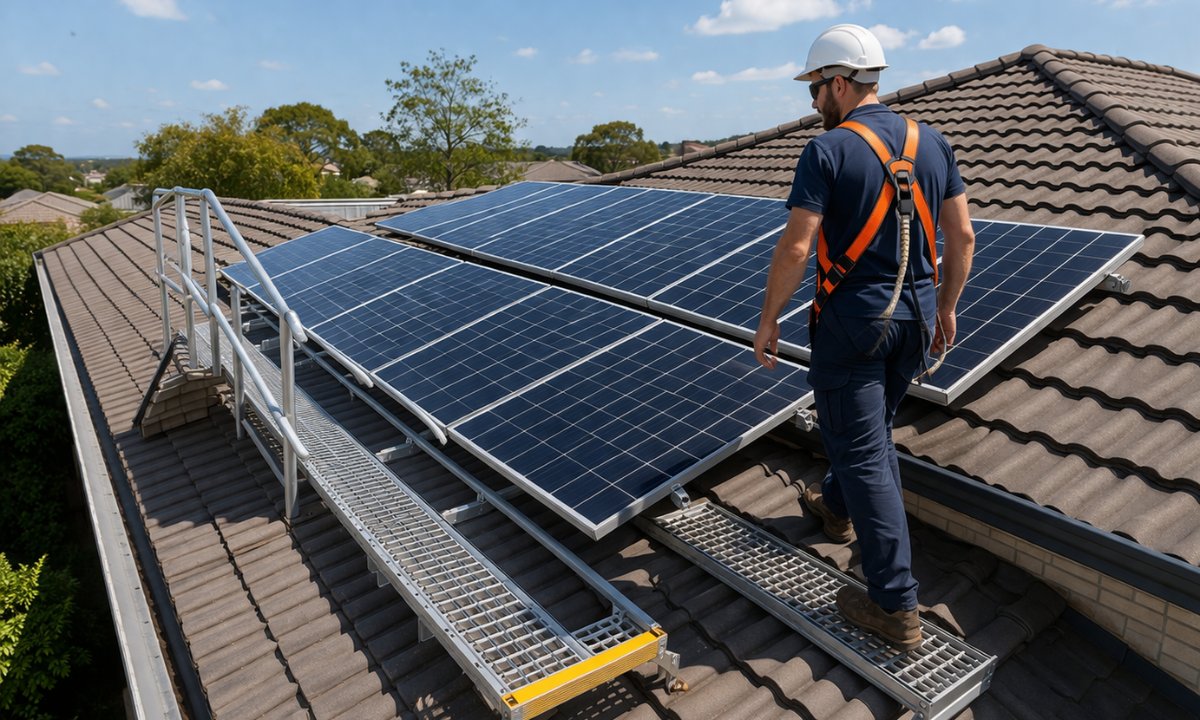
We should always ensure that the rooftop is easily accessible. This makes installation, inspection, and maintenance much easier.
When technicians can move around comfortably, it reduces installation time and minimises the chances of errors. Easy access also ensures that regular cleaning and servicing can be done without hassle, helping the system perform efficiently for years.
Accessibility checklist:
- Safe staircase or ladder
- Enough walking space between panels
- Proper wiring layout
These small factors make a big difference in the long-term performance of the Solar inverter system.
Buying the Right Solar Components
Choosing high-quality components is essential for a reliable system. Today, it is easy to buy solar products online, but we must ensure we are purchasing from trusted suppliers.
The performance of our entire solar setup depends on the quality of the components we choose, from panels to the Solar inverter. Investing in reliable products not only improves efficiency but also reduces the chances of breakdowns and frequent repairs.
What to look for:
- Warranty and certifications
- Brand reputation
- After-sales support
A good Solar inverter and quality panels ensure that our system runs efficiently for years.
Final Thoughts
Installing an on-grid solar system is a smart step towards energy savings and sustainability, but the success of the system depends on choosing the right conditions and components. From proper rooftop solar space and space orientation to selecting a reliable solar inverter like a Sungrow solar inverter, every detail matters.
When we invest in the best solar inverter in India and ensure proper planning, we can enjoy long-term benefits and consistent performance.
At Sun AP Ecopower, we understand these requirements and help you make the right choices for your solar journey. By carefully evaluating your site and selecting the right solar on-grid inverter, we ensure that your transition to solar is smooth, efficient, and future-ready.
FAQs
1. How do I know if my home is suitable for an on-grid solar system?
We can determine this by evaluating a few key factors, such as the amount of sunlight our rooftop receives, the available space for panel installation, and the overall orientation of the roof. A south-facing, shadow-free rooftop with sufficient area is usually ideal. If these conditions are met, installing an on-grid solar system can be highly efficient and beneficial for long-term energy savings.
2. What is the lifespan of a solar inverter?
Most Solar inverter systems typically last between 8 and 12 years, depending on the brand, quality, and how well they are maintained. Regular servicing and proper installation can help extend their lifespan. Choosing a high-quality inverter from a trusted brand ensures better durability, consistent performance, and fewer technical issues over time, making it a reliable part of your solar setup.
3. Can I install solar panels without net metering?
Yes, we can install solar panels without Net metering, but it may not be the most cost-effective option. Without net metering, any excess electricity generated by the system goes unused instead of being sent back to the grid for credits. With net metering in place, we can significantly reduce electricity bills by earning credits for surplus energy produced during the day.
4. Is a Sungrow solar inverter a good choice?
Yes, a Sungrow solar inverter is considered a reliable and efficient option for on-grid solar systems. It is known for its advanced technology, high energy conversion efficiency, and long-lasting performance. Many users prefer it because of its durability and strong after-sales support. Choosing a trusted inverter like this ensures smooth functioning and better overall output from your solar power system.