Here at Sun AP Ecopower, our team of experts advise homes and businesses on how to use solar power more wisely. A frequent inquiry we receive, mainly from those who consider the option of buying their solar panels from solar panel dealers in India, is about solar collectors. Some consumers mistake them for solar panels, while others have no idea how they contribute to a solar energy system nowadays.
Based on our field experience, this post is an effort to offer a simple, down-to-earth explanation of solar collectors.
Definition of solar collectors
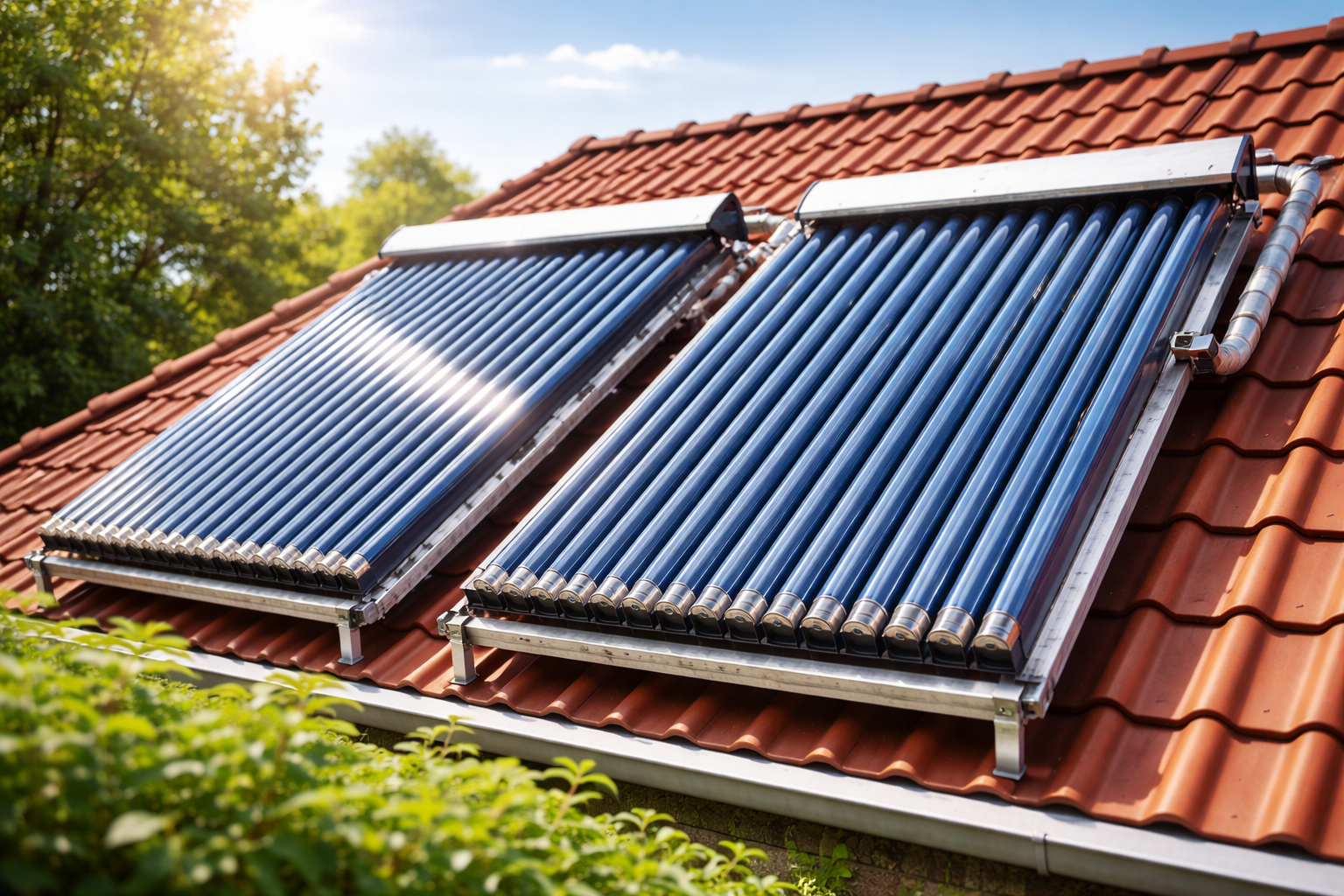
So what are solar collectors?
If you break it down to the basics, solar collectors are equipment that are made to harness solar energy and convert it into thermal energy (heat). Solar collectors differ from photovoltaic panels, which produce electricity, in that they are only concerned with heat gathering, which is later used in heating water, heating spaces, or running certain industrial processes.
Here at Sun AP Ecopower, we normally advise our customers who are interested in getting excellent heating performance through solar collectors rather than power generation. So, they are a great part of the solar collection systems that mainly go unnoticed.
How Solar Collection Works
Solar collection simply entails gathering the sun’s rays with a surface that is specially designed for this purpose. The heat thus generated is then given to a fluid, such as water or antifreeze, which is subsequently moved to the place where the heat is required.
In other words, solar collection in households may refer to the provision of hot water, whereas in factories, it may be used for process heating, etc.
What I have personally witnessed is that once customers grasp solar collection accurately, it dawns on them how it can be an inexpensive and dependable source of energy, particularly in locations with abundant solar radiation, e.g. India.
Types of Solar Collectors
It is essential to raise one’s understanding of types of solar collectors before picking a solution that fits one’s needs perfectly. We at Sun AP Ecopower generally present them in two main divisions.
Flat Plate Solar Collectors
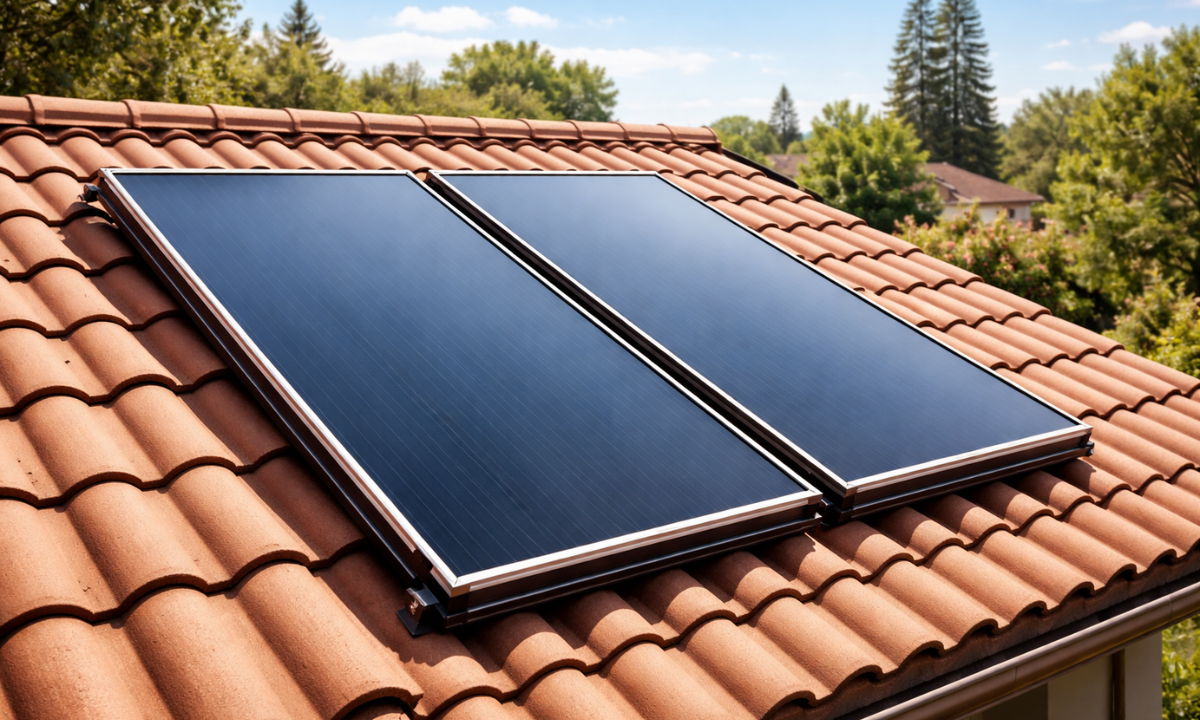
Flat plate solar collectors are the most commonly used collectors in residential and small commercial applications. They consist of a dark absorber plate, a transparent cover, and an insulated backing.
From our installation experience, flat plate solar collectors are:
- Durable and low maintenance
- Highly effective for domestic water heating
- Suitable for both hot and moderate climates
Their simplicity makes them ideal for homes looking for a long-term, reliable heating solution.
Concentrated Solar Collectors
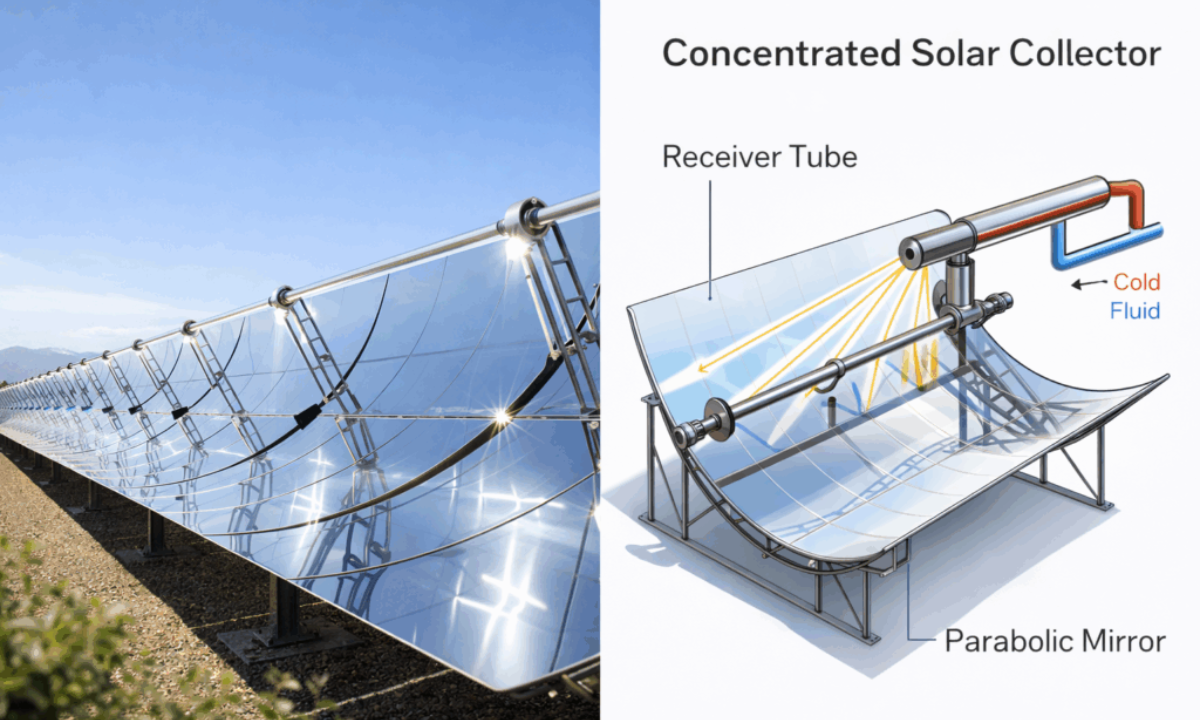
Concentrated solar collectors use mirrors or lenses to focus sunlight onto a single point or line, producing very high temperatures. These systems are typically used in industrial or utility-scale applications.
In my experience, concentrated solar collectors are best when:
- High-temperature heat is required
- Large-scale solar thermal projects are planned
- Space is available for precise alignment
They are more complex than flat plate systems but incredibly powerful when used correctly.
Solar Collectors vs Solar Panels: Who Gets Heated?
One frequent question from customers is how solar collectors differ from systems using Panasonic solar panels or other photovoltaic technologies.
Here’s the simplest way I explain it:
- Solar collectors produce heat
- Solar panels produce electricity
They are both equally important to a solar energy strategy that aims for full coverage, and sometimes, we even combine the two to achieve the highest efficiency.
Applications of Solar Collectors
Sun AP Ecopower has used solar collectors for a vast number of applications, such as:
- Residential water heating
- Hotels and hospitals
- Food processing units
- Textile and chemical industries
- Community solar heating systems
One of the advantages that makes them a continuing recommendation from us as the main component of solar collection projects is their versatility.
Why Solar Collectors Matter in Current Times
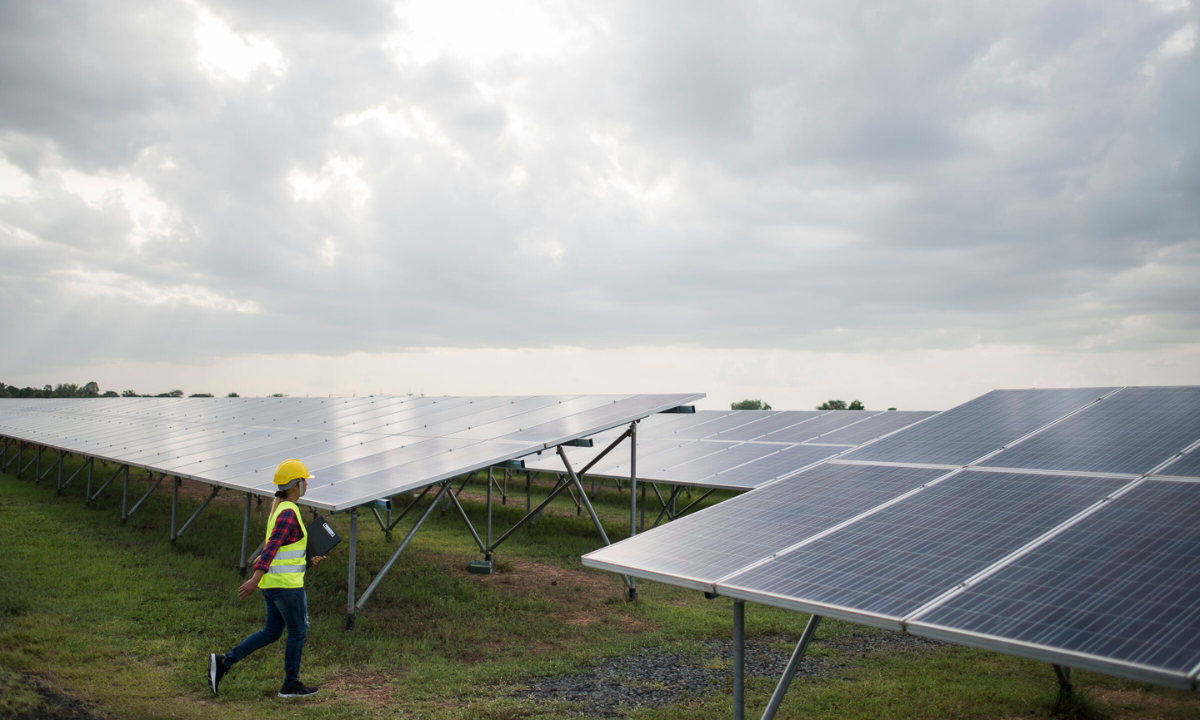
Considering escalating energy prices and the environmental risks posed by carbon emissions, solar collectors present an eco-friendly, dependable, and cost-effective source of heat. In terms of sustainability, they significantly cut down the use of fossil fuels while maintaining stable output.
In my view, solar collectors are among the most feasible renewable technologies that one can invest in right now, especially for nations blessed with a lot of sunlight.
Advantages of Solar Collectors
After many years of direct interaction with customers, here are the main benefits that people enjoy:
- Reduction in energy bills
- Operating costs kept to the minimum
- Extended system lifespan
- Environmental footprint reduction
- Great thermal performance
Such benefits position solar collectors as the most cost-effective solution for heating and cooling both residential and commercial premises.
Conclusion
Sun AP Ecopower has always aimed at providing solar solutions that are not only viable but also highly efficient and geared towards the future.
Supported by knowledge of local climatic conditions and customer preferences, solar panel dealers in India can help solar collectors remain an important component in the quest for energy independence.
If you want to tap into solar energy beyond the generation of electricity and get the most out of the sun, then solar collectors should be on your radar.
Frequently Asked Questions
1. What is the Difference Between Solar Panels and Solar Collectors?
Solar panels generate electricity using photovoltaic cells, while solar collectors capture heat for applications like water heating and industrial processes.
2. What are the Two Types of Solar Collectors?
The two main types are flat plate solar collectors and concentrated solar collectors, each suited for different temperature and scale requirements.
3. Why Are Solar Collectors Important?
They provide a clean, efficient way to meet heating needs while reducing energy costs and environmental impact.
4. What Are the Different Types of Collectors?
The most commonly used collectors are flat plate solar collectors and concentrated solar collectors, though variations exist within each category.
5. What are the Main Advantages of Flat Plate Solar Collectors?
Flat plate solar collectors are durable, cost-effective, easy to maintain, and ideal for residential and commercial water heating.
6. Are Solar Collectors Suitable for Indian Weather Conditions?
Yes. Based on our experience at Sun AP Ecopower, solar collectors perform exceptionally well in India’s high-sunlight conditions.