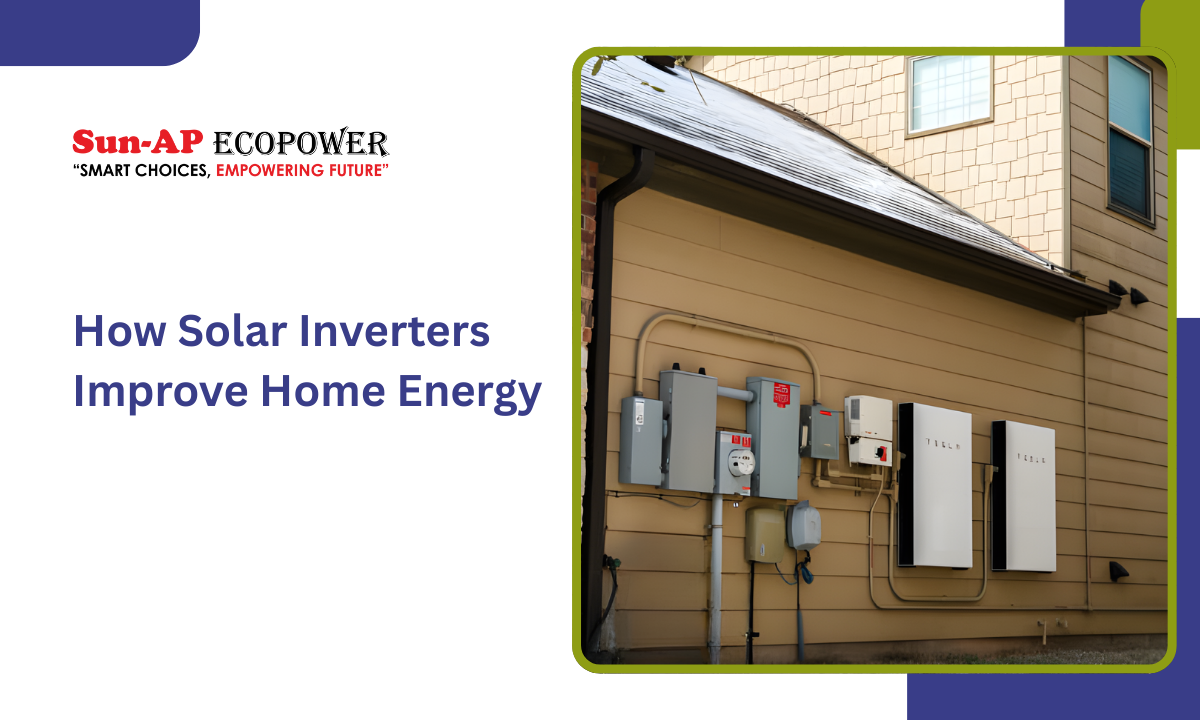
As someone working closely with homeowners every day at Sun AP Ecopower, I have seen one thing very clearly: installing the right solar inverter system can completely transform how efficiently a home uses electricity. Many people focus only on solar panels, but in reality, the inverter is the heart of your solar setup. Without it, solar power simply can’t work for your home.
In the first few conversations we have with customers, especially those searching for solar inverters dealers in India, we explain that efficiency, savings, and reliability all depend on choosing the right inverter solution.
Let me walk you through how a solar inverter system improves power efficiency at home, based on real-world experience and practical insights.
Understanding the Solar Inverter System
A solar inverter system is the device that converts the direct current (DC) electricity generated by solar panels into alternating current (AC), which is what your home appliances actually use. This conversion process might sound technical, but it plays a massive role in how efficiently your solar energy is used.
From our experience at Sun AP Ecopower, homeowners often don’t realize that different inverter types affect energy output, backup capability, and long-term savings. Choosing the right inverter is just as important as selecting quality solar panels.
Solar Inverter Function: Why It Matters for Efficiency
The solar inverter function goes beyond simple power conversion. A high-quality inverter continuously monitors voltage, power flow, and grid conditions to ensure your home gets clean, stable electricity.
Here’s how it boosts efficiency:
- Minimizes energy loss during conversion
- Regulates voltage to protect appliances
- Maximizes power extraction from solar panels
- Automatically switches between solar, grid, and battery (if available)
In simple terms, a good inverter ensures that every unit of solar energy generated is used effectively instead of being wasted.
Solar Panel System with Inverter: A Complete Power Solution
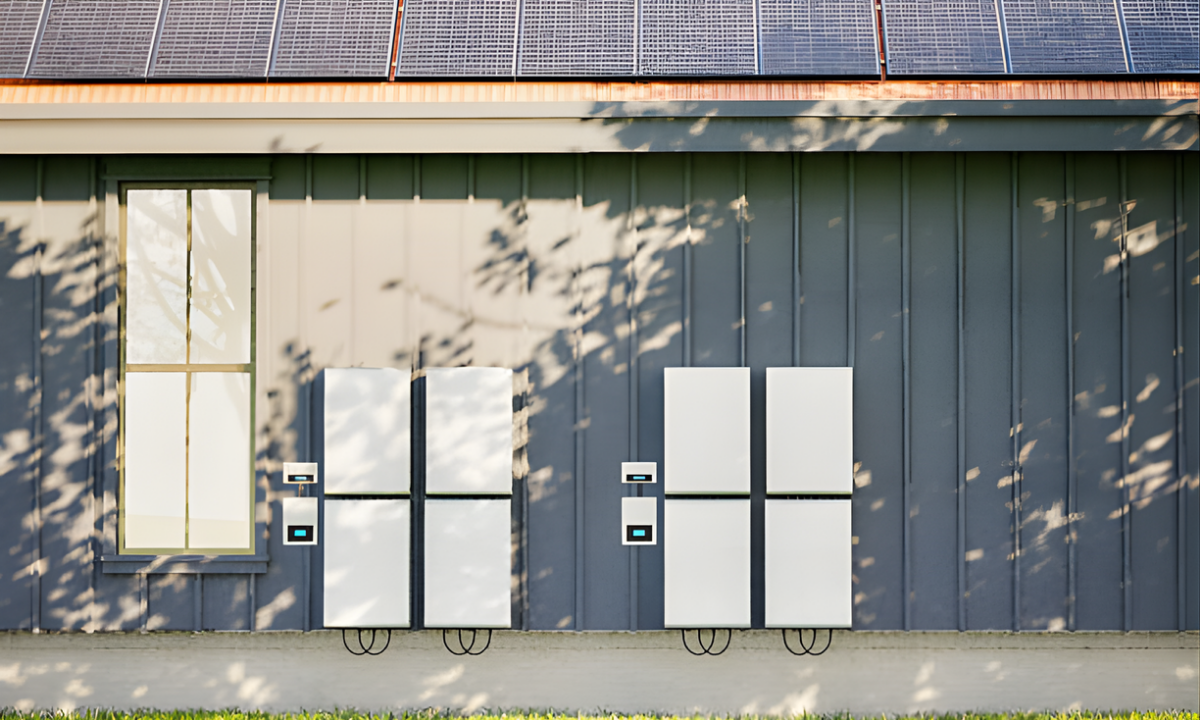
A solar panel system with an inverter works as an integrated unit. While panels generate electricity, the inverter ensures it’s usable and optimized for household consumption.
At Sun AP Ecopower, we design systems where the inverter is perfectly matched with panel capacity. This balance ensures:
- Consistent energy output
- Better performance during low sunlight
- Higher efficiency throughout the day
When panels and inverters work in harmony, homeowners see noticeable reductions in electricity bills and improved power stability.
Solar Inverter with Battery vs Solar Inverter without Battery
Solar Inverter with Battery
A solar inverter with a battery stores excess energy for use during power cuts or nighttime. This option is ideal for areas with frequent outages.
Efficiency benefits include:
- Reduced dependency on the grid
- Zero energy wastage
- Reliable backup during emergencies
Many families choose this option because it offers both savings and peace of mind.
Solar Inverter without Battery
A solar inverter without a battery sends excess power directly to the grid or uses it instantly. While it doesn’t provide backup, it is cost-effective and highly efficient for daytime energy usage.
This setup works best for homes with a stable grid supply and higher daytime electricity consumption.
Solar Inverter On Grid: Maximizing Cost Efficiency
A solar inverter on a grid system is connected to the electricity grid and operates alongside it. Any surplus energy generated is exported to the grid, often earning credits through net metering.
From our installations, on-grid systems improve efficiency by:
- Eliminating energy storage losses
- Allowing full utilization of the generated power
- Reducing overall system cost
This is a popular choice for urban homes looking for a fast return on investment.
Solar Inverter Off-Grid: Power Independence
A solar inverter off-grid system operates independently of the electricity grid. It relies on batteries to store energy and supply power when needed.
Efficiency advantages include:
- Complete energy independence
- Stable power supply in remote areas
- Controlled energy usage
We often recommend off-grid systems to rural households or locations where grid power is unreliable.
Solar Micro Inverter System: Next-Level Efficiency
A solar micro inverter system uses small inverters installed on each panel rather than one central inverter. This setup significantly improves efficiency, especially in shaded or uneven roof conditions.
Benefits we’ve observed include:
- Maximum output from each panel
- Reduced the impact of shading
- Easier system monitoring
Although slightly more expensive, microinverters deliver higher long-term performance and reliability.
Why Choosing the Right Dealer Matters
Selecting the right inverter is not just about the product—it’s about proper guidance and installation. As trusted solar panel & products dealers in India, we focus on understanding your energy needs, roof structure, and budget before recommending a solution.
Improper inverter selection can lead to:
- Energy losses
- System downtime
- Reduced lifespan
That’s why working with experienced professionals makes all the difference.
Final Thoughts
From my experience at Sun AP Ecopower, a well-designed solar inverter system is the backbone of an efficient home solar setup. Whether you choose a grid-tied system, an off-grid solution, or a hybrid inverter with battery storage, the right inverter ensures maximum energy utilization, lower bills, and long-term reliability.
For homeowners searching for dependable solar inverters dealers in India, the key is not just buying an inverter but investing in the right system designed for your lifestyle and energy goals. When chosen wisely, a solar inverter doesn’t just convert power; it transforms how your home consumes energy.
FAQs
1. What does a solar inverter system do in a home?
A solar inverter system converts solar energy into usable electricity and optimizes power flow to improve efficiency and appliance safety.
2. Is a solar inverter with a battery better than one without a battery?
A solar inverter with a battery offers backup power and energy storage, while a system without a battery is more affordable and efficient for daytime use.
3. How does a solar inverter improve electricity savings?
It reduces energy loss, regulates voltage, and ensures maximum utilization of solar power, lowering grid dependency.
4. Which is better: solar inverter on-grid or off-grid?
On-grid systems are cost-effective and ideal for stable power areas, while off-grid systems offer complete independence and backup.
5. Are solar micro inverter systems worth the investment?
Yes, especially for homes with shading issues, as they improve panel-level efficiency and overall system performance.
6. How do I choose the right solar inverter for my home?
Consult experienced solar panel & products dealers in India who can assess your energy needs, roof structure, and budget to recommend the best solution.