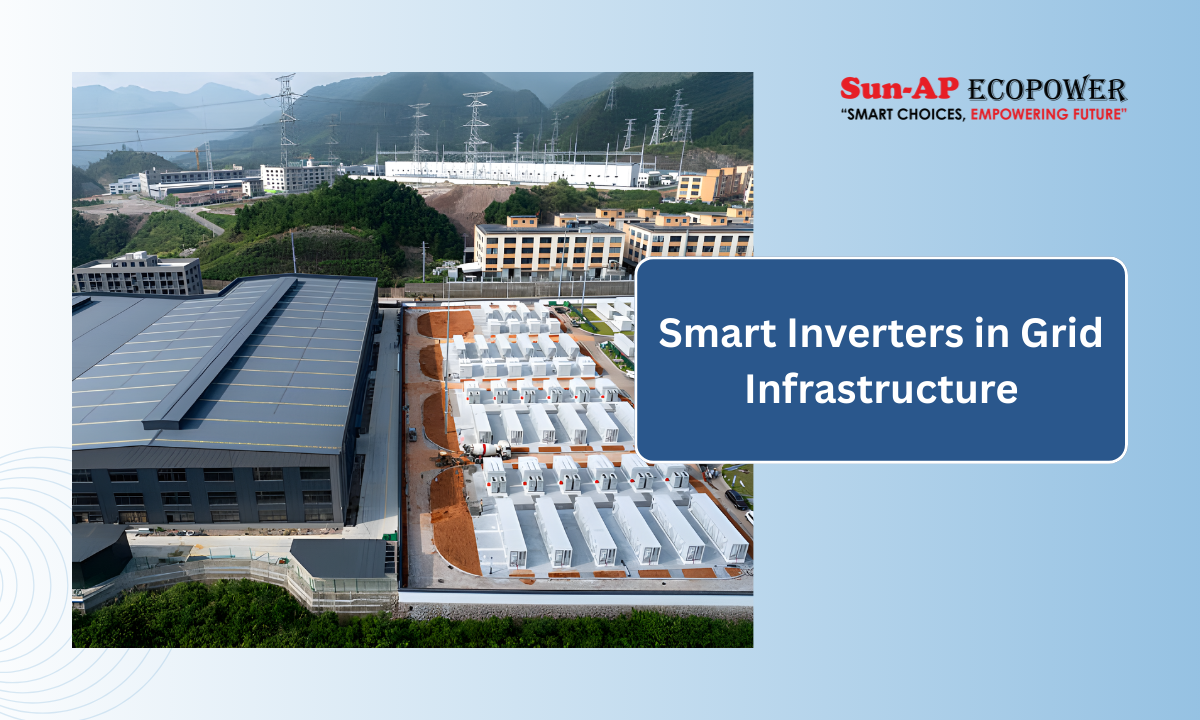
As someone working closely with clean-energy solutions at Sun AP Ecopower, I have seen firsthand how smart inverters are reshaping the way electricity is generated, managed, and consumed. With solar adoption accelerating across India, especially among residential and commercial users, the role of advanced inverter technology has never been more critical.
In this blog, I will share practical insights from the field on why smart inverters are now a cornerstone of modern power grid infrastructure and how they support a reliable, future-ready energy ecosystem, particularly for solar product distributors in India.
Understanding Smart Inverters and Their Evolution
What Makes Smart Inverters “Smart”?
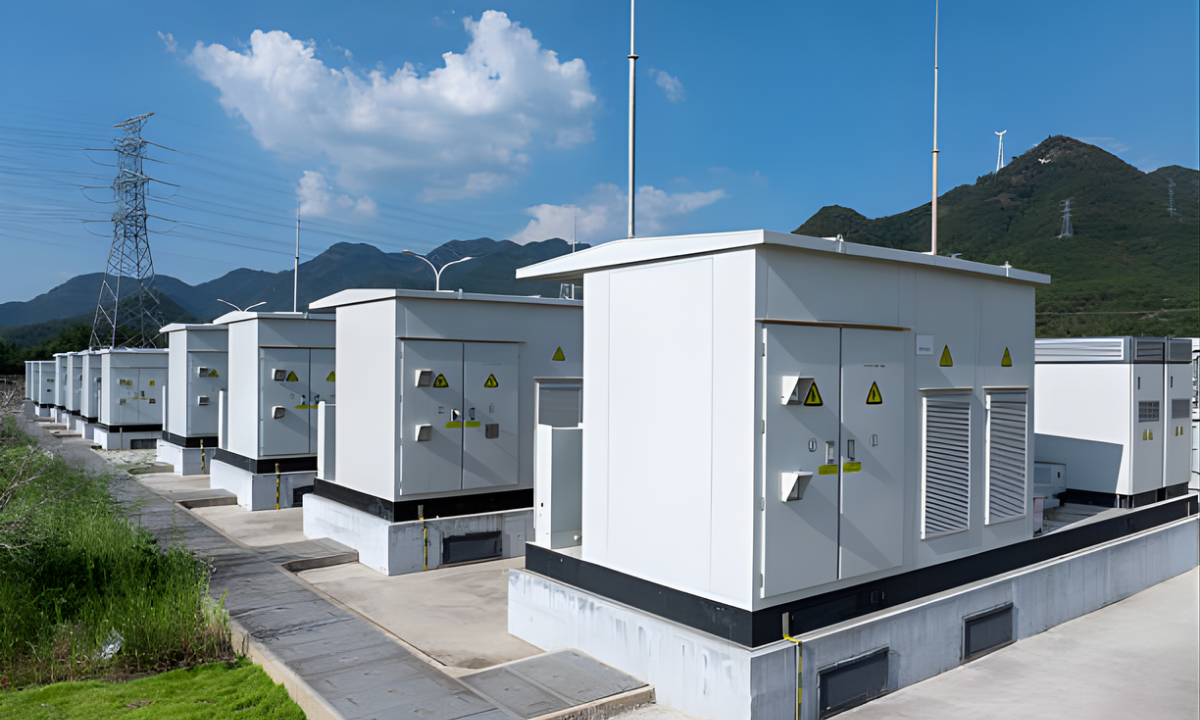
Traditional inverters simply convert DC electricity from solar panels into usable AC power. Smart inverters, on the other hand, do much more. They communicate with the grid, respond to voltage and frequency changes, and support grid stability in real time. This intelligence allows power grids to handle higher levels of solar energy without compromising reliability.
From Conventional to Smart Solar Inverters
In the early days, solar inverters were passive devices. Today’s solar inverters are embedded with software, sensors, and communication protocols. At Sun AP Ecopower, we deploy smart inverter solutions that can:
- Regulate voltage
- Provide reactive power support
- Enable remote monitoring and updates
- Integrate seamlessly with battery storage systems
Role of Smart Inverters in Modern Power Grids
Stabilizing Power Grids with High Solar Penetration
As solar energy becomes mainstream, power grids must manage variable generation from rooftops and solar parks. Smart inverters actively support grid stability by adjusting output during fluctuations, preventing blackouts and voltage spikes.
Enabling Net Metering and Bidirectional Power Flow
Smart inverters are essential for net metering, allowing consumers to export surplus solar power back to the grid safely. They manage bidirectional power flow while ensuring compliance with grid codes, something we regularly implement for our clients across Andhra Pradesh and beyond.
Integration with Battery Storage and BESS
Smart Inverters and Battery Storage
One of the biggest advantages of smart inverters is their compatibility with battery storage. Whether it’s a home backup solution or a commercial setup, smart inverters coordinate charging and discharging efficiently.
Supporting Battery Energy Storage Systems
In larger installations, smart inverters are the control backbone of a Battery Energy Storage System (BESS). They:
- Optimize energy use during peak demand
- Improve power quality
- Enable backup during outages
From our experience at Sun AP Ecopower, combining smart inverters with BESS significantly boosts energy independence for businesses.
Solar Edge Inverters and Advanced Control
Why SolarEdge Inverters Stand Out
Among premium solutions, SolarEdge inverters are widely recognized for module-level monitoring and advanced grid-support features. These SolarEdge inverters work exceptionally well in smart grid environments, offering:
- Higher system efficiency
- Enhanced safety features
- Seamless smart inverter functionality
We often recommend such solutions when customers demand top-tier performance and long-term reliability.
Smart Inverters in the Indian Solar Landscape
Meeting Indian Grid Standards
India’s grid is evolving rapidly, and smart inverters help meet increasingly strict interconnection standards. Features like low-voltage ride-through (LVRT) and frequency response are now essential.
Opportunities for Solar Product Distributors in India
For solar product distributors in India, smart inverters represent a major growth opportunity. Distributors who understand and promote smart inverter capabilities can offer more value to EPCs, installers, and end users, something we actively encourage in our partner network.
Benefits of Smart Inverters for End Users
- Improved grid reliability
- Better returns through efficient net metering
- Seamless solar-plus-storage integration
- Remote monitoring and proactive maintenance
From homes to factories, these benefits translate into lower costs and higher confidence in solar energy systems.
Final Thoughts
From my perspective at Sun AP Ecopower, smart inverters are no longer optional; they’re essential infrastructure for a resilient, solar-powered future. They empower utilities, consumers, and installers to work together within smarter power grids while unlocking the full potential of solar energy and battery systems.
As adoption grows, solar product distributors in India who embrace smart inverter technology will be best positioned to lead the next phase of clean-energy transformation.
FAQs
1. What Is A Solar Inverter?
A solar inverter converts DC electricity from solar panels into AC power suitable for homes, businesses, and the grid.
2. What Is The Role Of A Solar Inverter In A Solar Energy System?
It acts as the system’s brain—managing power conversion, safety, monitoring, and grid interaction.
3. What Is A Grid-Tied Solar Electric System?
A grid-tied system connects directly to the utility grid, allowing net metering and eliminating the need for large standalone batteries.
4. Can You Use An Inverter For Both Solar And Grid Power?
Yes. Hybrid and smart inverters can manage both solar input and grid power seamlessly.
5. What Types Of Solar Inverters Are Best For Your Home?
For most homes, smart string inverters or hybrid inverters with battery-ready features offer the best balance of cost, efficiency, and future flexibility.