As a seller at Sun-AP Ecopower, I have seen firsthand how solar energy is transforming power grid infrastructure across the country. In the first few conversations with customers, one topic always comes up: how solar power is changing the way electricity is generated, transmitted and consumed.
As one of the trusted solar panel & products dealers in India, we also witness that with growing investments, policy support and awareness, power grids in India are evolving rapidly to accommodate renewable energy, especially solar.
This shift is not only modernizing the grid but also making it more resilient, efficient and sustainable for the future.
Understanding How the Power Grid System Works in India
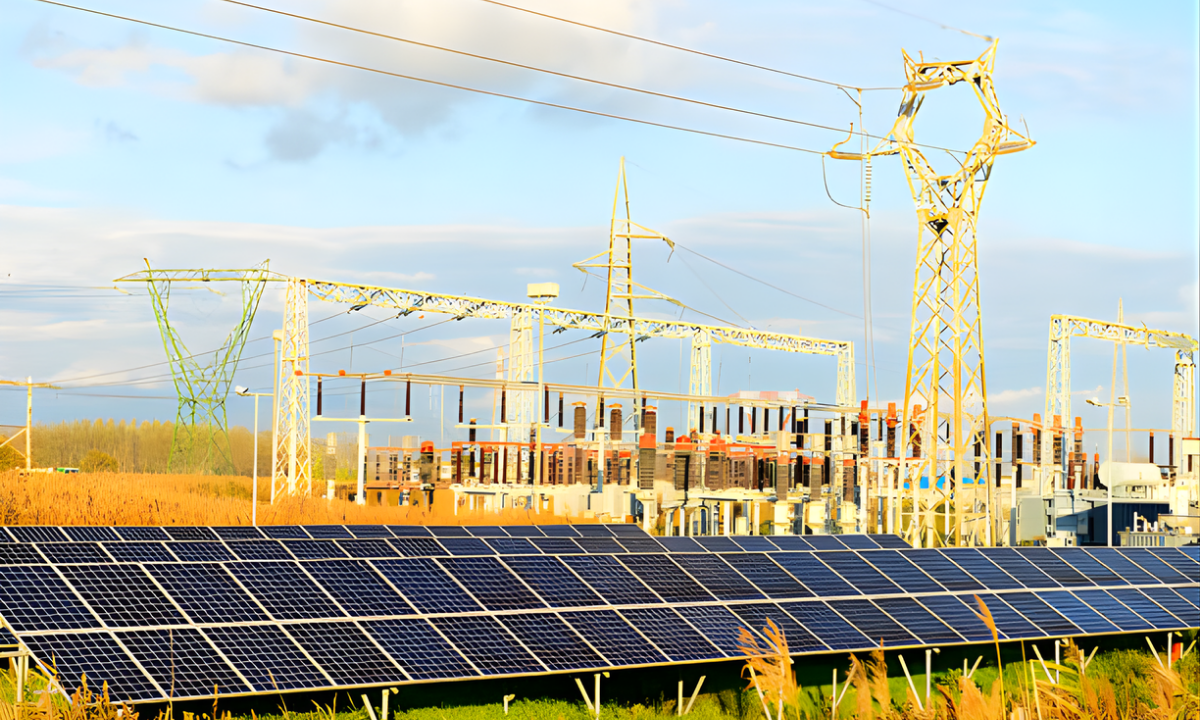
To appreciate the impact of solar energy, it is important to understand how the power grid system works in India. Traditionally, electricity generation has been centralized. Large power plants generate electricity, which is transmitted over long distances through high-voltage lines and distributed to consumers.
This model worked for decades, but it also led to challenges such as transmission losses, grid congestion and dependence on fossil fuels. The growing electricity demand exposed the limitations of centralized systems, pushing the grid toward modernization.
The Current State of Power Grids in India
Today, power grids in India are among the largest and most complex in the world. They connect multiple regions and manage electricity flow across states. However, rising consumption, urbanization and industrial growth are putting immense pressure on the grid.
To meet this demand, utilities are increasing power grid capacity, but capacity expansion alone is not enough. The grid must also become smarter, more flexible and capable of integrating renewable sources like solar.
Why Solar Power Is Driving Grid Transformation
Solar energy is no longer just an alternative source of power. It is now a key driver of grid transformation. The solar power benefits go beyond clean energy and cost savings. Solar installations reduce the load on conventional power plants and help diversify energy sources.
From rooftop solar systems to large solar parks, solar power is changing how electricity flows through the grid. Instead of power moving in one direction, energy now flows both ways, from consumers back into the grid.
Decentralized Generation: A Game Changer for the Grid
One of the biggest shifts brought by solar is decentralized generation. Instead of relying solely on centralized plants, electricity is now generated closer to where it is consumed.
Decentralized generation offers several advantages:
- Reduces transmission losses
- Improves grid reliability
- Enhances energy access in remote areas
- Supports faster deployment of new capacity
As a solar solutions provider, I see increasing demand from residential, commercial and industrial customers who want energy independence while contributing to a stronger grid.
Role of Smart Inverters in Modern Power Grid Infrastructure
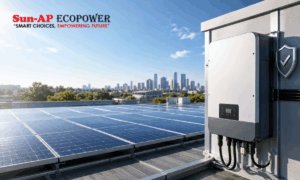
The integration of solar energy into the grid would not be possible without smart inverters. These advanced devices convert solar DC power into grid-compatible AC power while also supporting grid stability.
Smart inverters help by:
- Regulating voltage and frequency
- Responding to grid disturbances
- Supporting reactive power control
- Enabling better communication with grid operators
They play a crucial role in maintaining grid reliability as solar penetration increases.
Energy Storage Integration Strengthens Grid Stability
Another critical development is energy storage integration. Solar energy generation depends on sunlight, which means variability throughout the day. Energy storage systems help balance supply and demand.
Storage integration allows:
- Excess solar power is to be stored and used later
- Reduced strain during peak demand hours
- Improved grid stability during outages
- Better utilization of renewable energy
As storage costs decline, we expect wider adoption alongside solar installations, making the grid more resilient.
Impact on Power Grid Capacity and Load Management
Solar energy is changing how utilities plan and manage power grid capacity. Instead of building only large power plants, utilities can rely on distributed solar systems to meet incremental demand.
Solar helps with:
- Peak load shaving during the daytime
- Reducing dependency on fossil fuel-based peaking plants
- Supporting grid expansion without massive infrastructure costs
This flexible approach helps utilities manage growing demand more efficiently.
How Solar Power Benefits Consumers and the Grid
The solar power benefits are not limited to environmental gains. They also create economic and operational advantages for the grid and consumers.
Benefits include:
- Lower electricity bills
- Reduced carbon emissions
- Improved grid reliability
- Faster electrification of underserved areas
- Increased participation of consumers in energy generation
As a seller, I see customers becoming active participants in the energy ecosystem rather than just consumers.
Role of Solar Panel & Products Dealers in India
The transformation of the grid would not be possible without the contribution of solar panel & product dealers in India. Dealers play a vital role in delivering quality components, guiding customers and ensuring reliable installations.
Our role includes:
- Advising on system sizing
- Providing efficient solar panels and inverters
- Supporting grid-compliant installations
- Educating customers about grid integration
This ecosystem ensures that solar installations align with grid standards and support long-term infrastructure goals.
Challenges in Integrating Solar into the Power Grid
While progress is significant, challenges remain:
- Managing variability in solar generation
- Upgrading grid infrastructure
- Ensuring grid stability at high renewable penetration
- Coordinating between utilities and distributed generators
However, advancements in technology, policy reforms and industry collaboration are addressing these challenges steadily.
Future Outlook of Power Grid Infrastructure in India
India’s power grid is moving toward a smarter, cleaner and more flexible future. Solar power will continue to play a central role, supported by smart grids, storage systems and digital monitoring.
The focus is shifting from centralized control to adaptive, data-driven grid management that can handle diverse energy sources efficiently.
Final Thoughts
From my experience at Sun-AP Ecopower, it is clear that solar energy is fundamentally reshaping power grid infrastructure in India. The evolution of power grids in India, growth in power grid capacity, adoption of smart inverters, rise of decentralized generation, and progress in energy storage integration are all interconnected outcomes of the solar revolution.
As more consumers and businesses adopt solar, supported by reliable solar panel & products dealers in India, the grid becomes stronger, smarter and more sustainable. Solar power is not just an energy solution; it is a key pillar in building the future-ready power grid that India needs.
FAQs
1. How is solar power changing power grids in India?
Solar power introduces decentralized generation, reduces load on centralized plants and enables two-way energy flow, making grids more flexible and resilient.
2. What role do smart inverters play in the grid?
Smart inverters help regulate voltage, manage grid disturbances and ensure smooth integration of solar power into the grid.
3. Why is energy storage important for solar integration?
Energy storage helps manage solar variability by storing excess energy and supplying it during peak demand or low generation periods.
4. How does decentralized generation benefit the power grid?
It reduces transmission losses, improves reliability and allows faster addition of capacity without heavy infrastructure investment.
5. Who supports solar adoption at the consumer level?
Solar panel & products dealers in India play a critical role by supplying quality components, ensuring compliant installations and educating customers about grid integration.